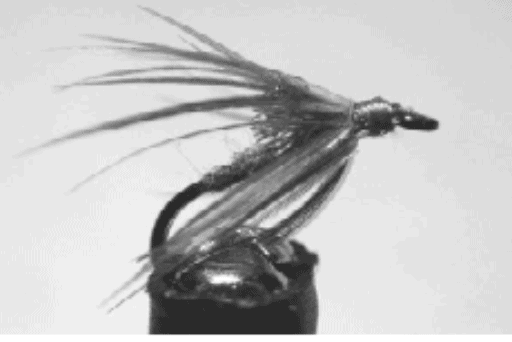
Did you happen to read my post last week entitled Simply Identify Bugs Fish Eat? I explained the three basic insects you’ll find on the river, a caddis, mayfly, and stonefly. This week’s post takes the next step to help create your first fly box with flies to imitate these bugs.
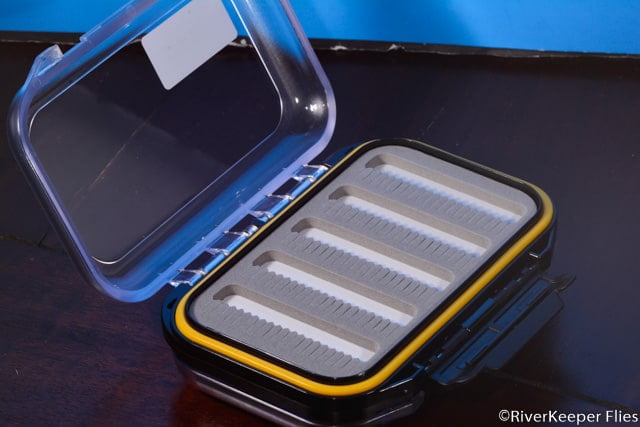
If you’ve fly fished for awhile, think about your first experience walking into a fly shop before heading out on the water. Are you new to the sport? Think about your experience as well. What was the feeling you had standing in front of the fly bins the first time? How did you select your first flies?
You didn’t have a clue which flies to select, did you? I know I didn’t.
So I hope today’s post will help you fill your fly box. It’s inspired by a conversation I had a few weeks ago with someone, who will remain anonymous. If they read this, perhaps they’ll remember our conversation.
There are thousands of fly patterns designed to catch fish. OK, in my opinion, many are designed to catch fly fishers!
I really believe you should concentrate on a selection of basic fly patterns designed and proven to catch fish.
Here are a few trusted fly patterns I recommend to create your first fly box. By changing size and color you can imitate most of the insects you’ll find when fishing. You might find these flies at your local fly shop. If not, select a fly that looks similar.
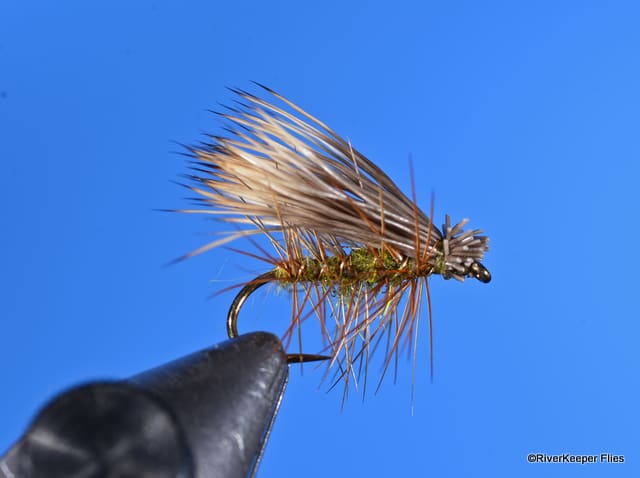
Caddis – Start with flies in the 12 to 16 range in a variety of colors. These four flies will catch fish wherever Caddis are found.
Adult (dry flies designed to float on the surface)
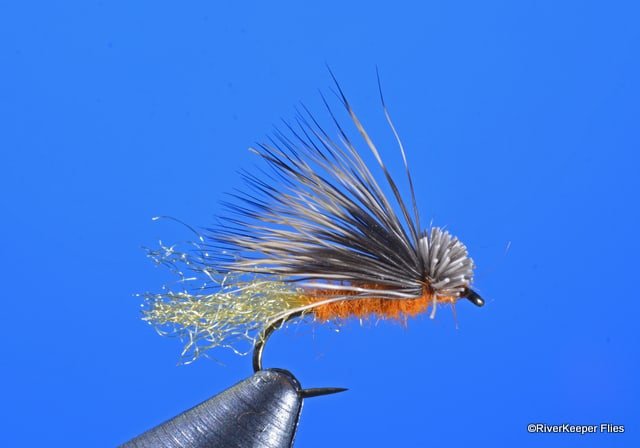
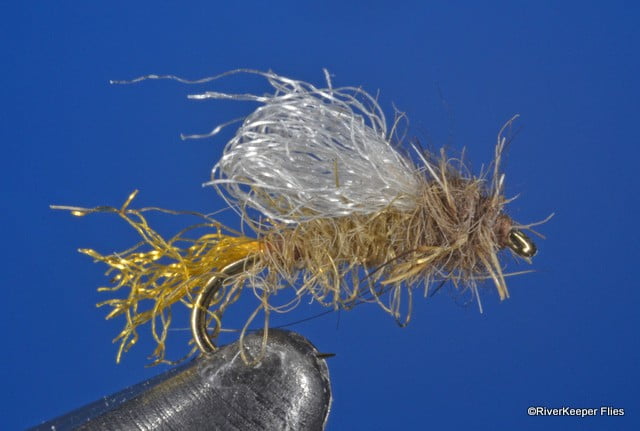
Pupa (under the surface)

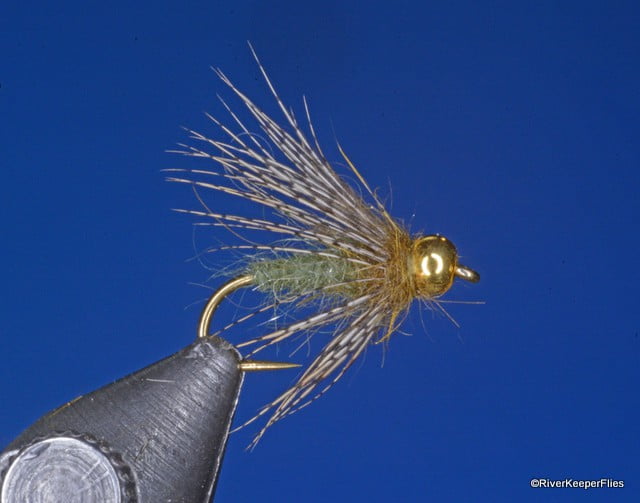
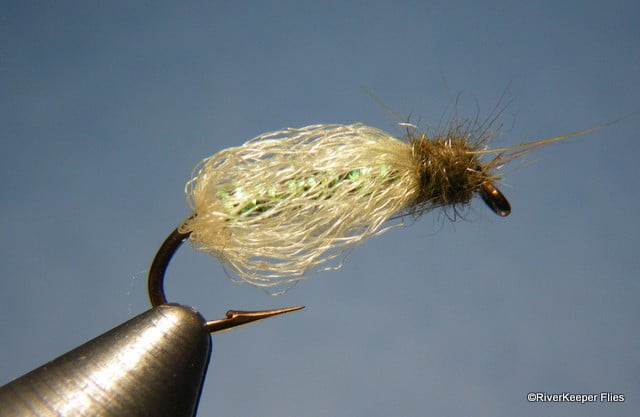
Mayflies – This is a little more tricky to recommend. The time of year you fish will dictate which bugs to imitate…and that will translate to size and color. A few important bug hatches are March Browns, Pale Morning Duns or PMDs, Blue Wing Olives or BWOs, and my favorite, the Green Drake. Sizes could range from 8 to 20 and smaller, so it will help if you decide which river to fish and check with a local fly shop.
Adult (dry flies designed to float on the surface)
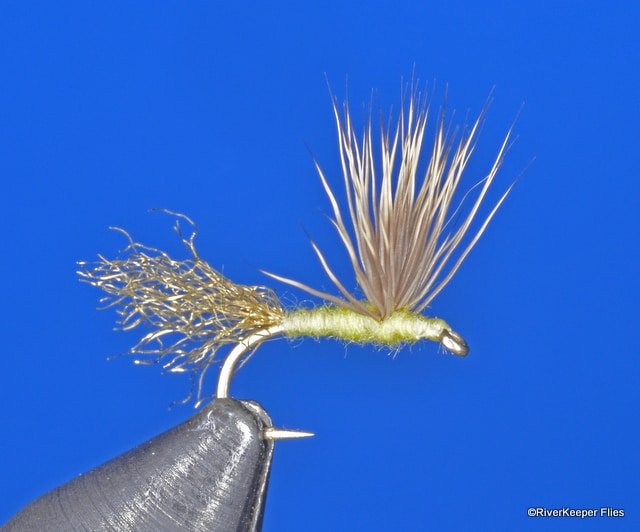
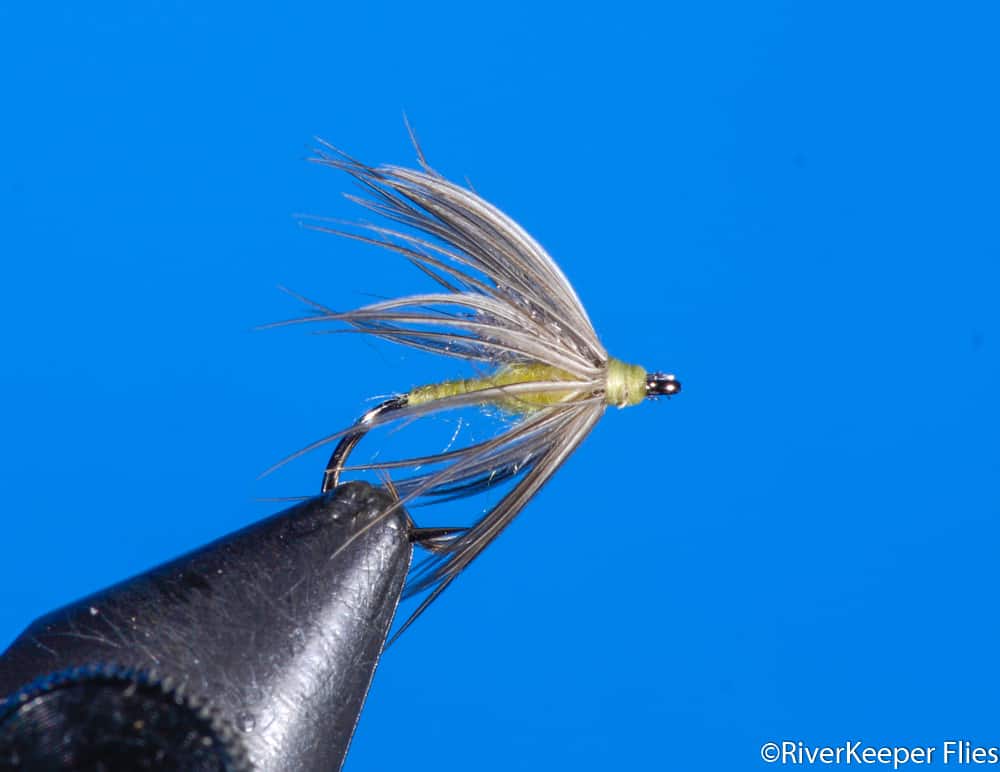
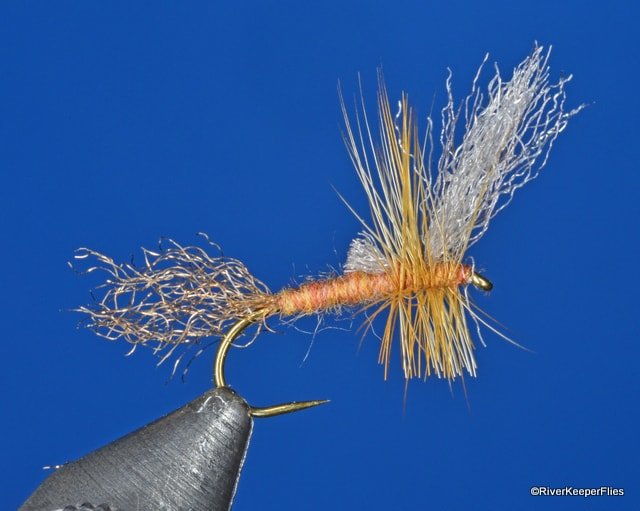
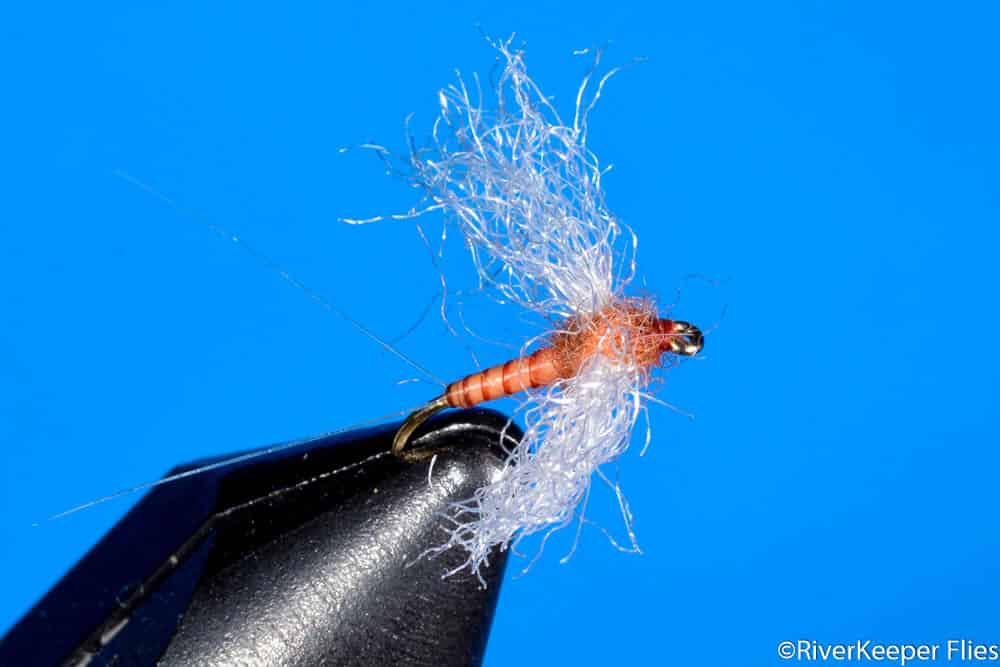

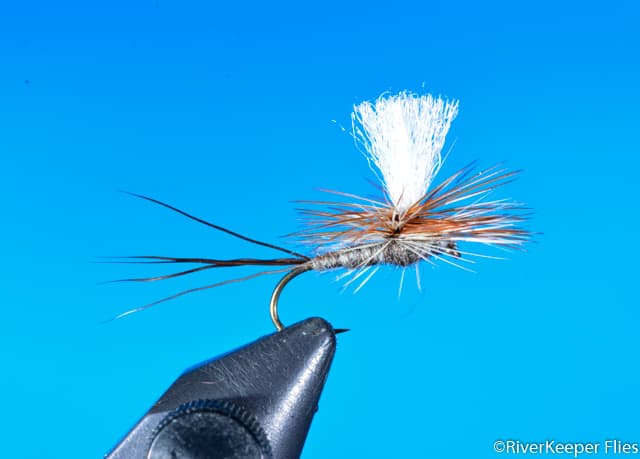
Nymph (under the surface)
 American Pheasant Tail Nymph


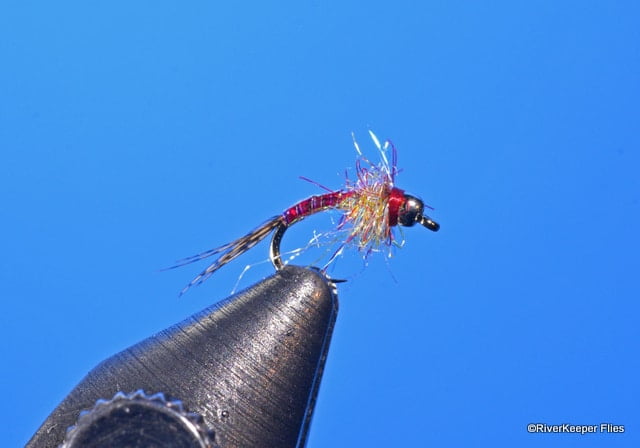
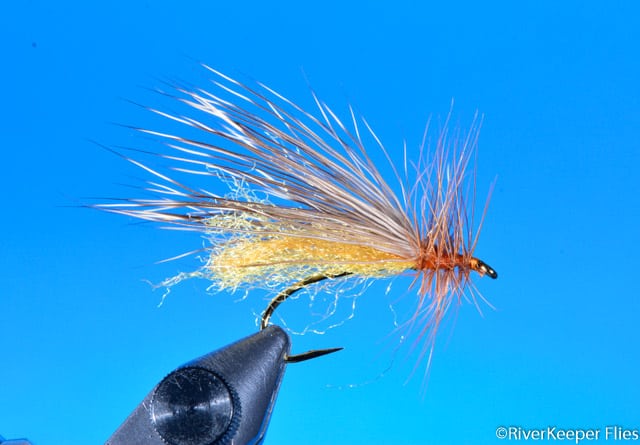
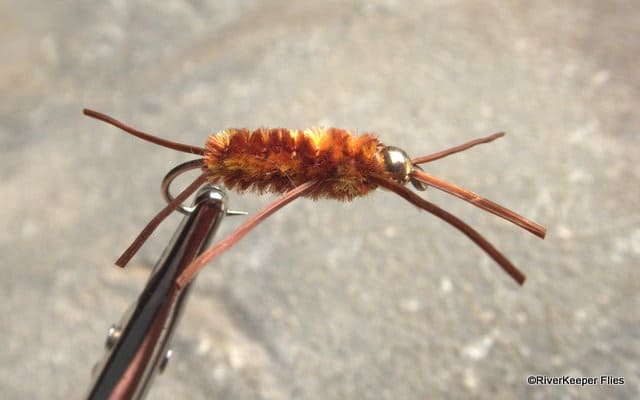
Stoneflies – The two most popular stoneflies are Salmonflies and Golden Stones. Some fly fishers live for these hatches. These insects are BIG and range in sizes from 4 to 10. If you time it right, the fish go crazy! The flies pictured below are Golden Stone imitations. Salmonflies are larger with darker colored bodies.
Adult (dry flies designed to float on the surface)
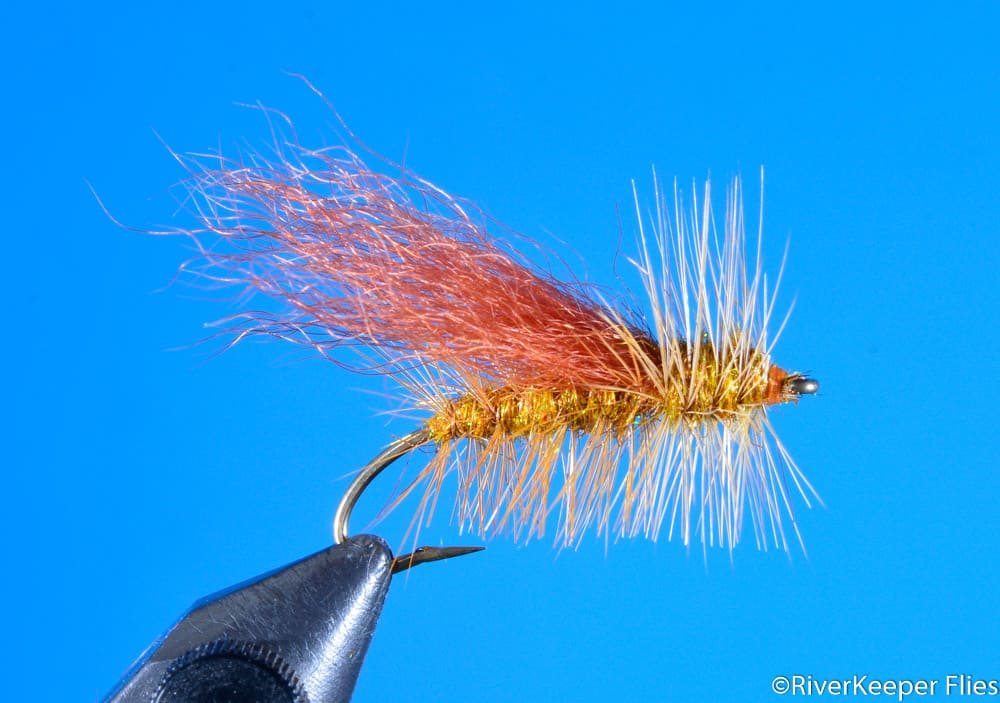

Nymph (under the surface)
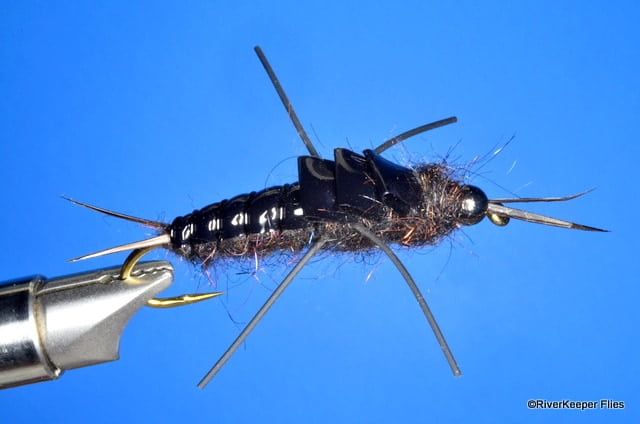

Remember, each Caddis, Mayfly, or Stonefly will be a different size and color depending which specific insect is hatching. That’s where a little research will come in handy. You can learn more from my website or a local fly shop. Many fly shop websites provide hatch charts which identify the bugs that hatch on the rivers close to them. Information you’ll find in a hatch chart includes specific fly names and when to expect these bugs to hatch.
If you know what bugs to expect, the flies I listed will give you an idea what to tie on your leader.
Interested in learning more? One of my favorite books is entitled BugWater by Arlen Thomason. You can find a link to purchase this book and other favorites HERE.
Remember, size, profile, and color…in that order.
Now start filling your fly box.
Enjoy…go fish!


John great article and thanks for all the information you put out on your website. Look forward to seeing you on the Met in the future.