October fly fishing is a special time of year. It’s the last hurrah for both fly fishers AND fish. I’ve said before that fishing tapers off dramatically around November 1, so that means I have less than one month to get my fix for awhile.
So I need to make sure I have the right flies in my fly box.
I knew I had written a post a couple of years ago entitled October Fly Box, so I looked it up. Low an behold, it’s right on for the bugs I saw on the river today.
Let me start with a blanket hatch of PMDs or PMD look-alike mayflies
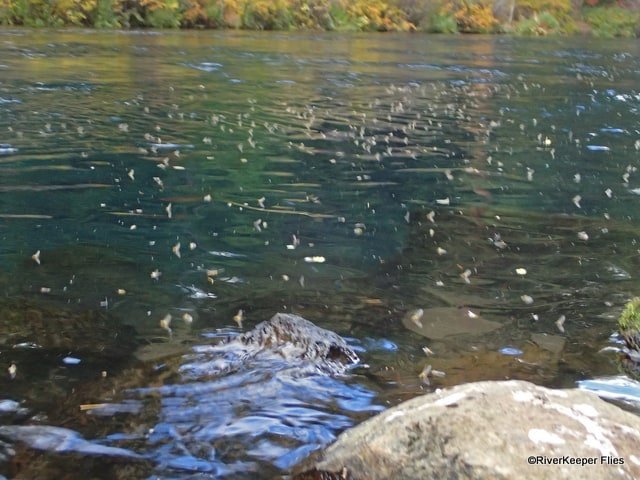
This is what I found at the river. It was made up of hundreds of these…
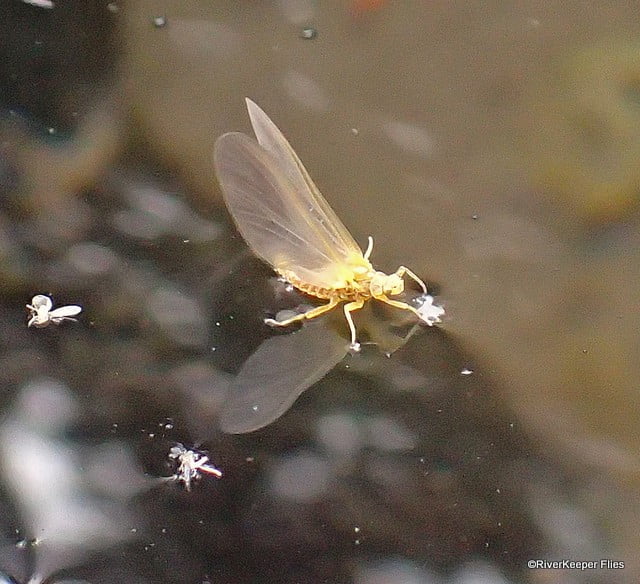
Interspersed in this mat of bugs were green drakes and flavs.
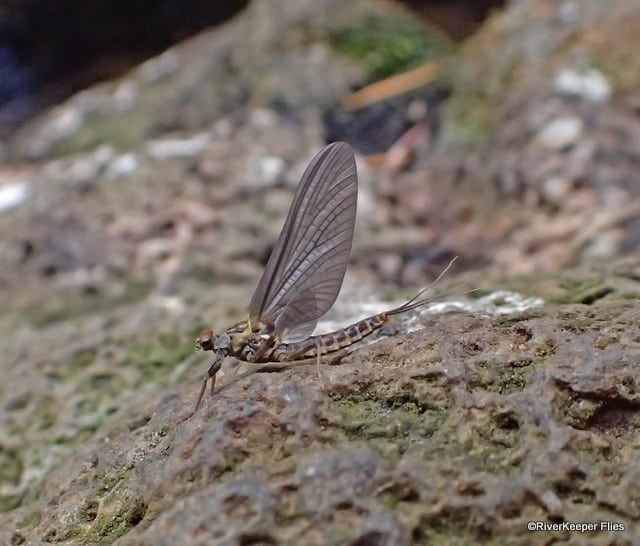
I guess that is why this fish ate a Green Drake Sparkle Dun.

And before you ask, yes, there are October Caddis flitting around. That is a good segue to the October Fly Box post.
So here it is again…with an updated picture or two.
Here are the flies I’m carrying in my October fly box.
I’ll begin with the October Caddis just because of it’s name.
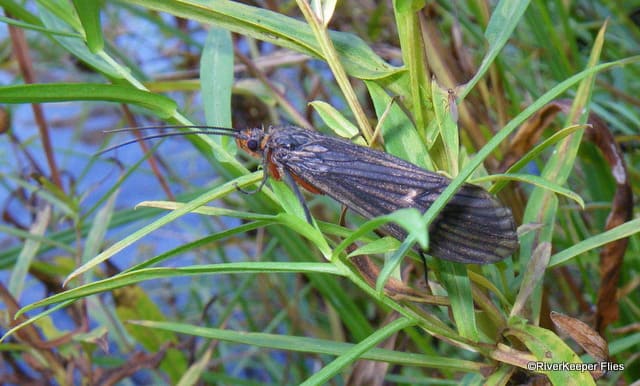
These are big bugs, sizes 8 – 10. You’ll see October Caddis flitting over the water laying eggs. I usually blind cast an imitation because fish don’t take them like a normal “hatch”. The take is always exciting as the fish EXPLODE on this fly!
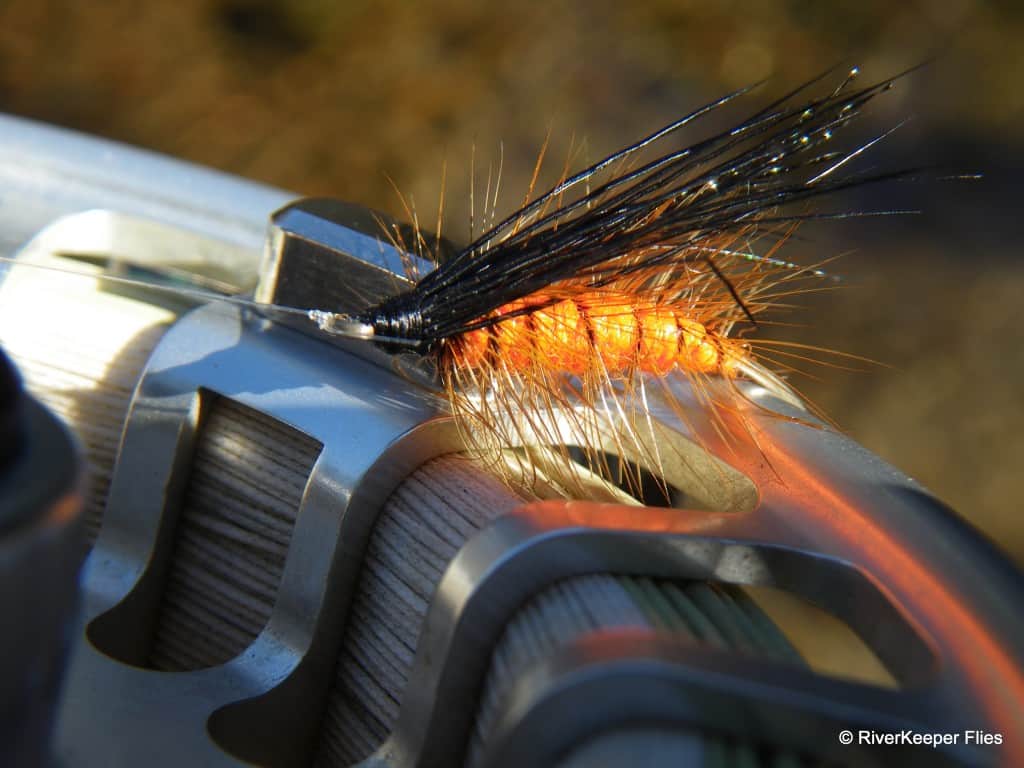
Even though it has the name “October”, many fly fishers don’t realize this fly can be seen many months of the year. (Learn more about October Caddis in this POST.)
The other day, the water surface was full of Pale Morning Duns (PMDs) and Cinygmula mayflies in sizes 16 – 18. These flies will be different shades of yellow.
Pale Morning Dun
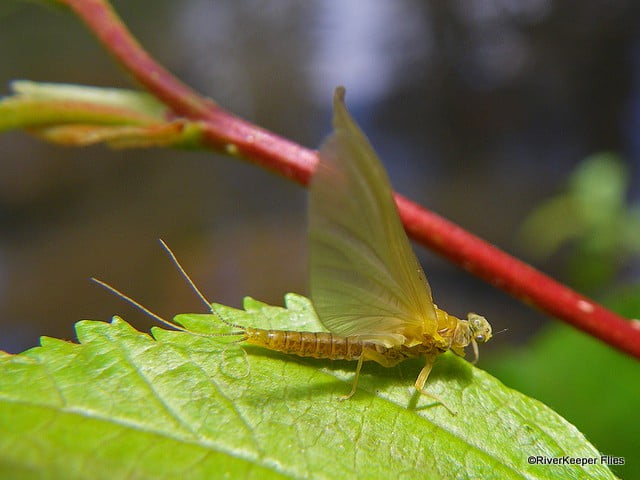
The only difference the fly fisher needs to know is the number of tails…3 vs 2. But I don’t think fish can count.
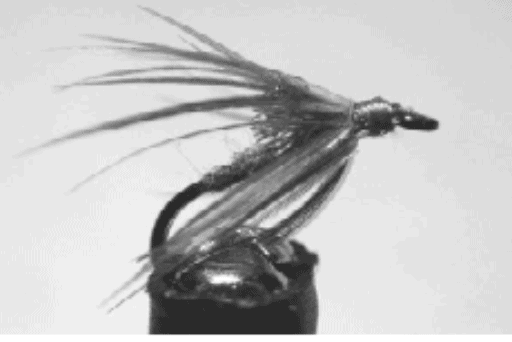
Tie on a RiverKeeper Soft Hackle Cripple, Sparkle Dun, PMD Parachute, or a PMD Mayfly Cripple to imitate these bugs.
RIVERKEEPER SOFT HACKLE CRIPPLE
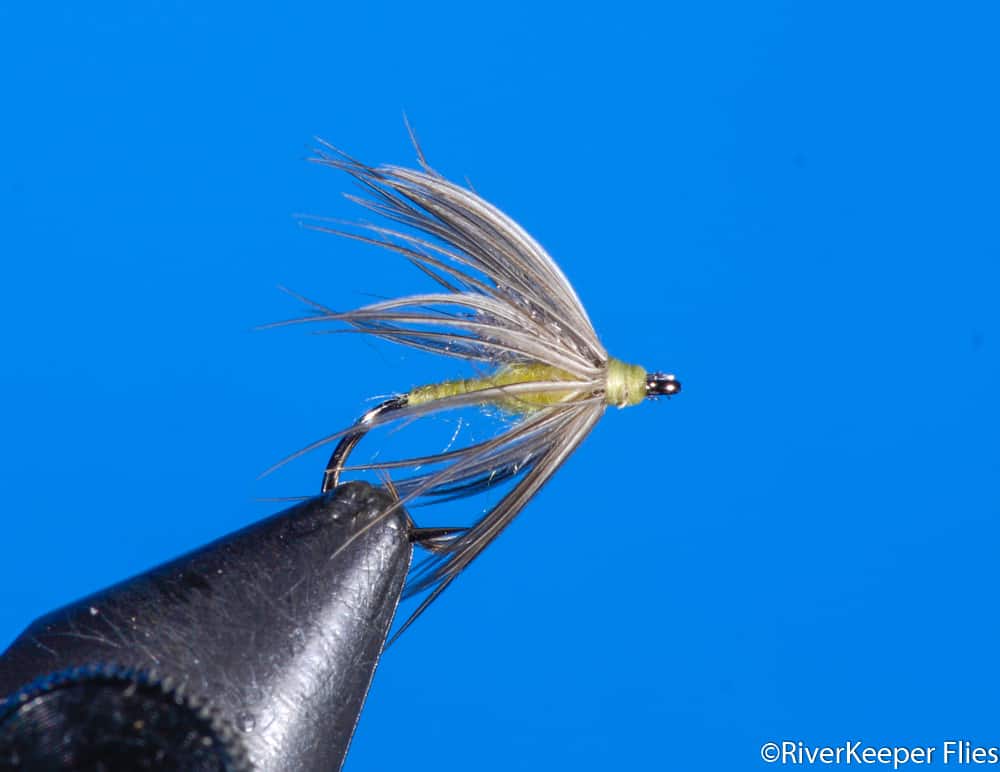
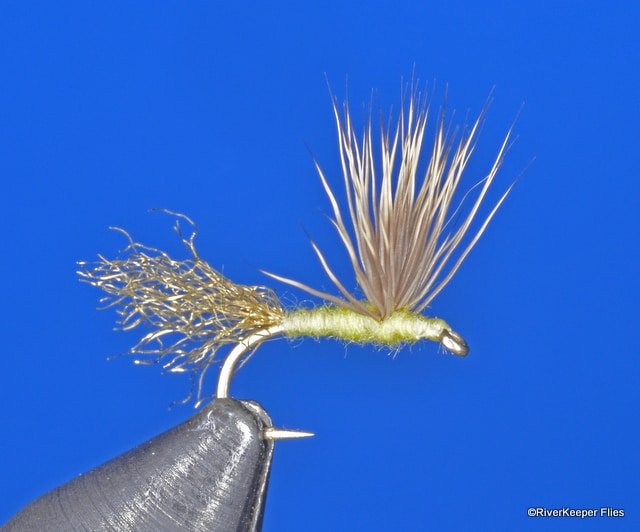
For more information about PMDs, check out my Pale Morning Duns blog.
Blue wing olives – These are little guys. A big one is size 16. You’ll have better luck fooling a fish with a size 18 – 20 though. And yes, some are smaller yet.
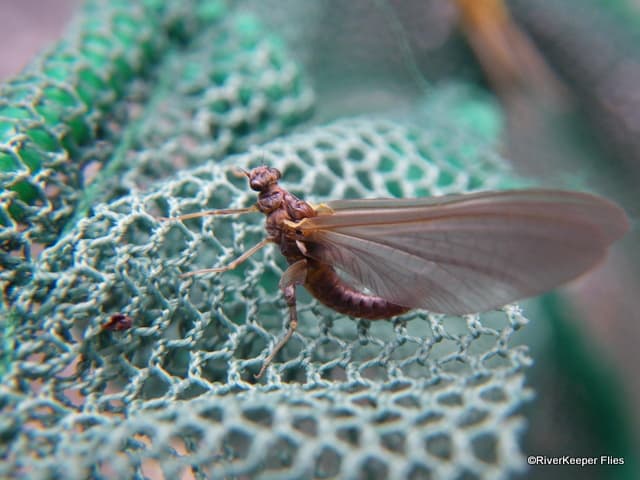
This hatch is a staple throughout the winter, so you can look forward to some good fishing with these flies. BWOs come in a variety of colors…olive to a non-descript brown. I like the RiverKeeper Soft Hackle Cripple, Improved Sparkle Dun and CDC & Biot to imitate these flies.
RIVERKEEPER SOFT HACKLE CRIPPLE

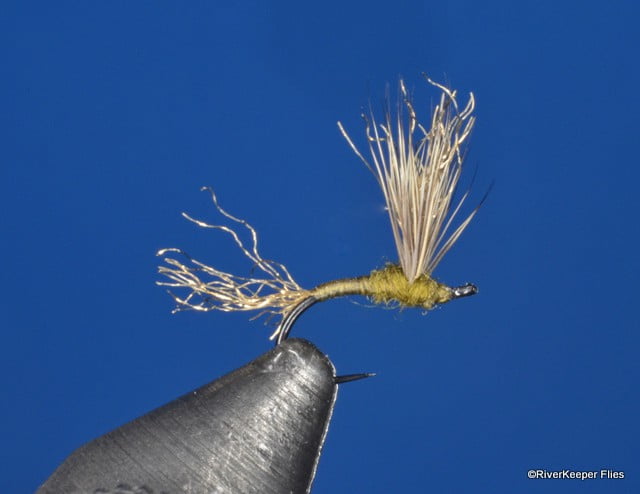

Fall Drakes – They’re back! This is the second round of drakes. The first drakes show themselves in May and June. The Fall Drakes are a little smaller, sizes 12 – 14. These are the Lesser Green Drakes (D. flavilinea) and Caudatella.
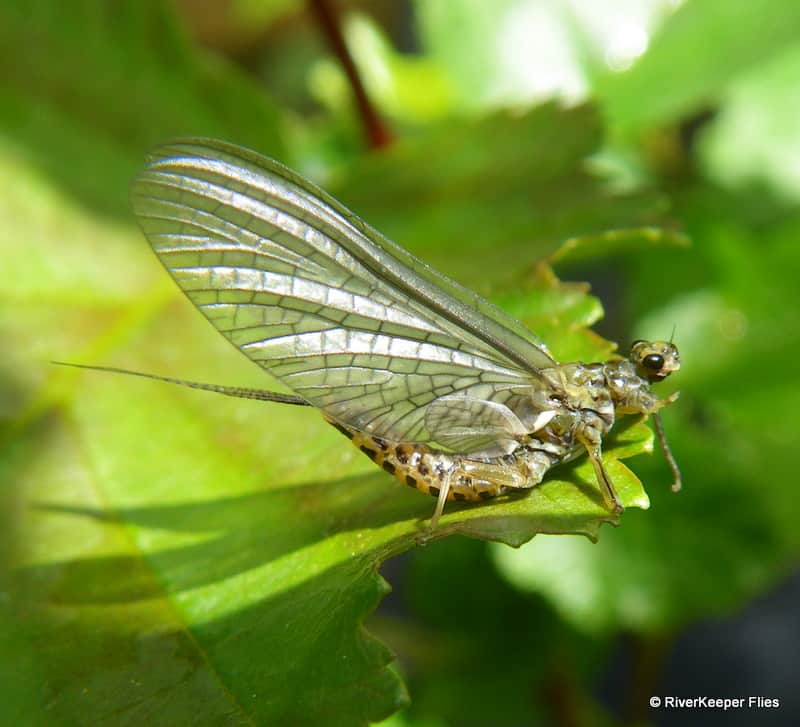
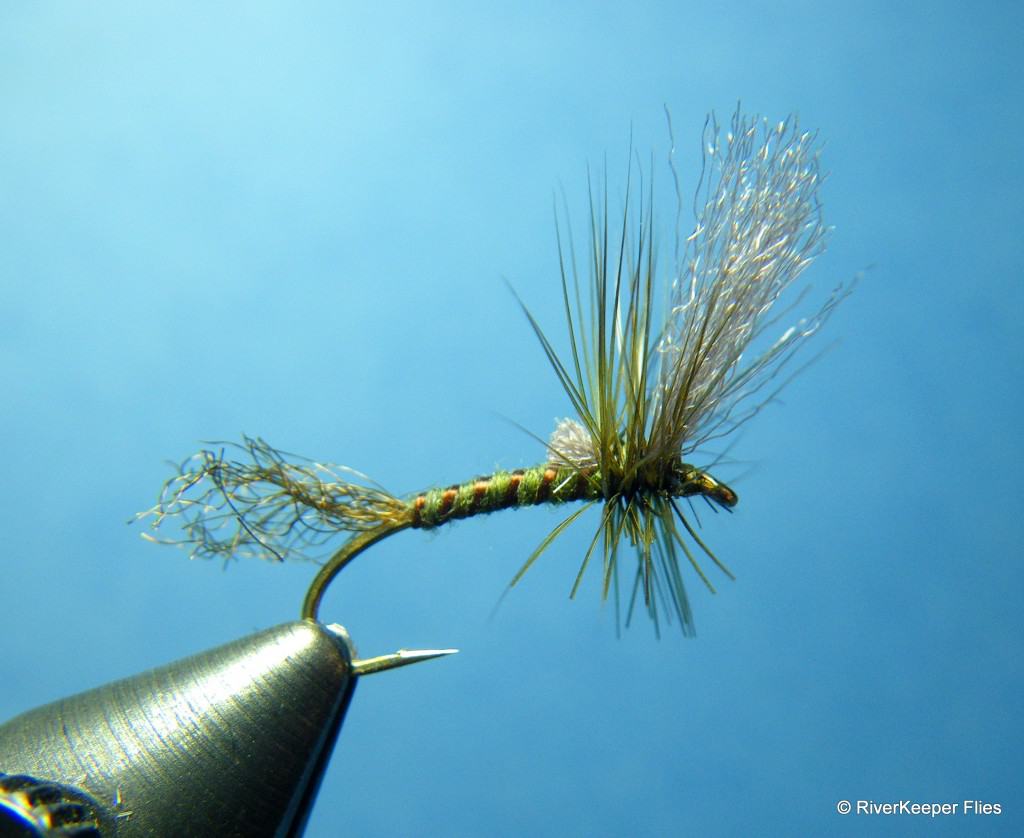
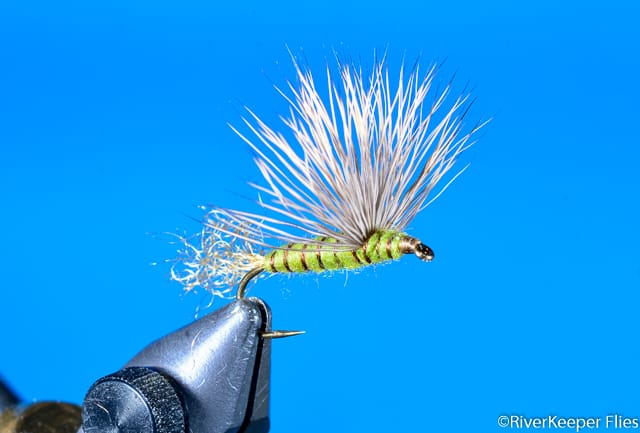
Just match size and color. The fish won’t care whether it’s a Flav or Caudatella.
How about Caddis? The standards will work here…Elk Hair Caddis and CDC & Elk. We’ve been using and catching fish on the Amber Iris Caddis.

Why? I don’t have a clue. In completing a little research for some Throw Back Thursday Flies (LaFontaine Emergent Pupa and LaFontaine Deep Sparkle Pupa), I reread part of Gary LaFontaine’s Caddisflies book. Some female caddis swim underwater to lay their eggs and are an easy target for trout. Perhaps that may be the answer, but I’m not sure.
Lastly, I know a few of you are asking about nymphs. Most of the time I fish dry flies. But I did try my Copper John Rainbows last week…and some of them work!
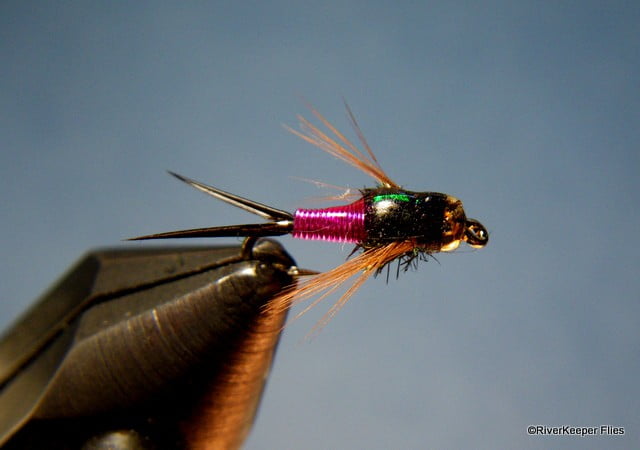
I hope you will find a few of these flies in your October fly box.
I hope you liked this blast from the past.
Get out and fish…hopefully you’ll find a couple of these.

Enjoy…go fish!



great pics