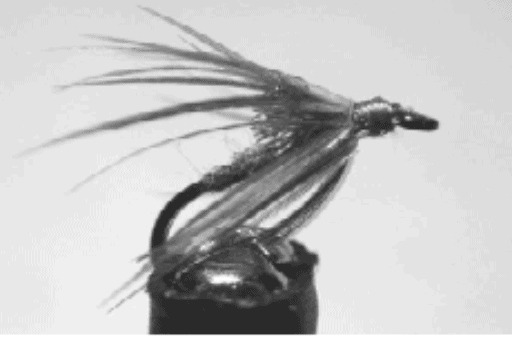
Effective Dry Fly Patterns for Fast Water

I’ve had time for a little zen fly fishing lately. The weather has been beautiful, but the bugs aren’t showing up…hence the fish aren’t rising. Well, that gives me time to think about the types of dry flies I use and effective dry fly patterns for fast water.

A week or so ago, I wrote a post – Select the Right Dry Fly. I talked about the flies I use and the importance of having the right profile on the spring creek I fish.

But during a recent zen moment, I wondered how my fly choices might change if I fished bigger water like the Lower Deschutes. Would I use the same dry flies or different ones?

If I concentrated on fishing the eddies, I’d probably use the same dry fly patterns as those on a spring creek. I like the idea of lower profile flies.

What about the straight-ahead flows of faster riffles? My go-to flies might stay on top of the water for a while, but they may get “drowned” too. And a higher profile fly would be easier to see. So with those thoughts, I’d have a few more choices in my fly box.

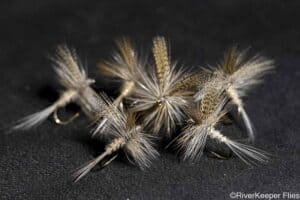
I’d use a lot more flies with hackle on them to help them float. Let’s just focus on the mayflies today.

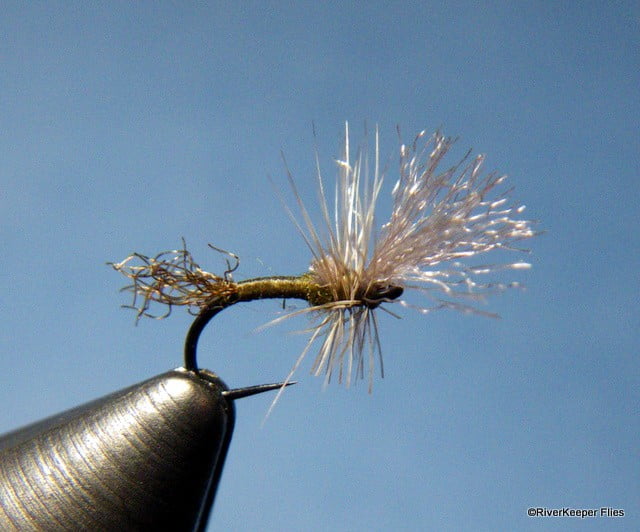
Many of you know I fish the RiverKeeper Soft Hackle Cripple and Sparkle Duns most of the time. These patterns fit my theory about using simple, but effective flies.

So how about a few parachute fly patterns?
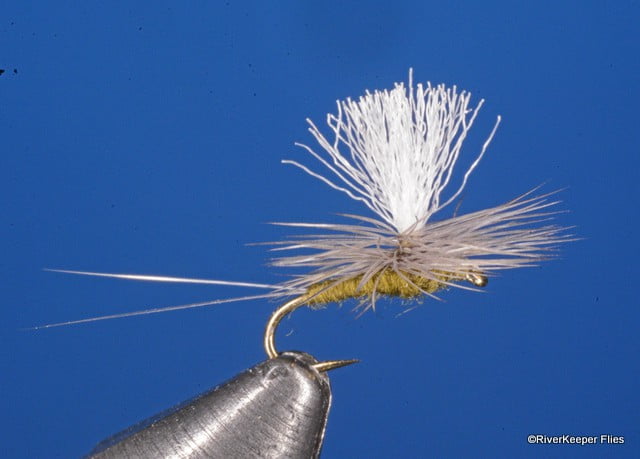
BWO PARACHUTE

Blue Wing Olive | www.johnkreft.com

BWO Mayfly Cripple

Mayfly Cripple - BWO | www.johnkreft.com

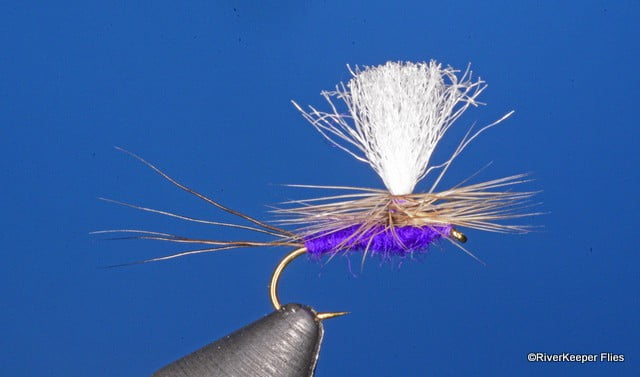
And when those don’t work, how about a Parachute Adams or Purple Haze?
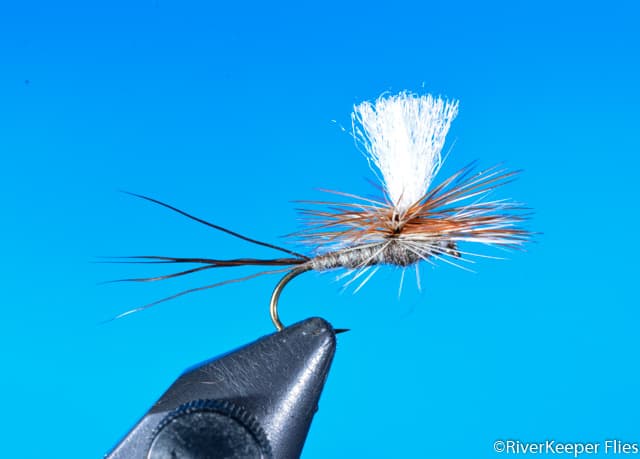
PARACHUTE ADAMS

Parachute Adams | www.johnkreft.com

PURPLE HAZE

Purple Haze | www.johnkreft.com

OLIVE THORAX MAYFLY

Olive Thorax Mayfly | www.johnkreft.com

Or the classic Catskill mayfly Quill Gordon?
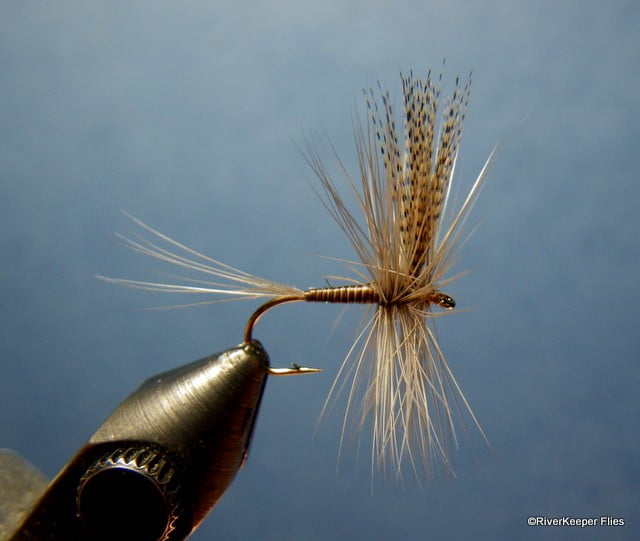
Quill Gordon | www.johnkreft.com

Lastly, here is a fly pattern for bigger fly imitations.

GREEN DRAKE HAIRWING DUN

Green Drake Hairwing Dun | www.johnkreft.com

Notice the common theme of these fly patterns is to use hackle. Whether the hackle is wound in a traditional fashion around the hook or around a post in the parachute manner to provide a lower profile, all the flies I’ve shown utilize hackle.

So the next time you open your fly box, check it out and see if you have the right flies for the water you will be fishing.

Enjoy…go fish!
Similar Posts

  • Atherton No. 2 Dry Fly

    This week’s Throw Back Thursday Fly is the Atherton No. 2 dry fly. I’ve highlighted a couple other Atherton flies recently, the Atherton No. 5 and Atherton No. 3. John Atherton (1900 – 1952) was an artist by trade and incorporated his impressionistic art into the flies he tied. The tail, body, and hackle of…

  • Goose and Turkey Biot Flies

    There is something about goose and turkey biot flies that look so realistic. I was reminded of this as I completed a recent fly order with a few BWO – CDC & Biot flies. As you can see in the picture, goose and turkey biots come in a variety of dyed colors. Here is a…

  • Barr’s Bouface Streamer

    This week’s Throw Back Thursday Fly is John Barr’s Bouface Streamer. This is another fly I found in the book entitled Barr Flies (2007). I’ve been tying Dolly Llama streamers and Barr’s Bouface was very similar to that fly. The Bouface is featured in chapter 19 and includes detailed tying instructions. Originally tied as a…

  • Royal Coachman Wet Fly

    This week’s Throw Back Thursday Fly is the Royal Coachman Wet Fly. These Royal Coachman Wet Flies were in one of the old fly wallets I have. Do you know how many different variations there are to the Royal Coachman? I don’t either! There are many variations to the first Royal Coachman, which was a…

  • Woolly Bugger

    This week’s Throw Back Thursday Fly is the Woolly Bugger. Like many flies, fly tyers are always tweaking tried and true flies to make them fish better. The Woolly Bugger is very similar to the Woolly Worm, but with a different tail of marabou. The picture above includes a bead head as well. The fly…

Leave a Reply

Your email address will not be published. Required fields are marked *