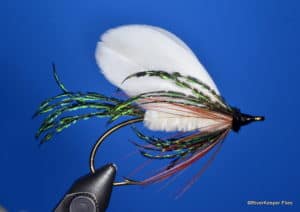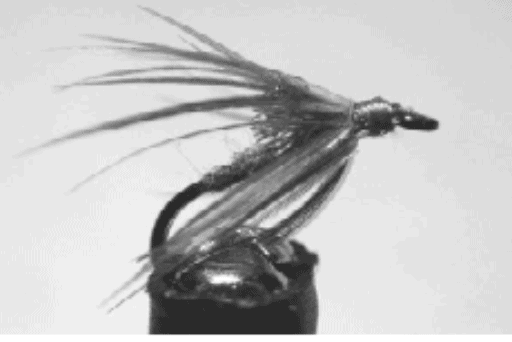
I’ve started putting a little thought behind a new project. I was asked to create a presentation about selecting flies from a fly tyer’s perspective, namely how understanding the parts of a fly will help fly fishers purchase more effective flies at their local fly shop.

The challenge will be not to overwhelm them.
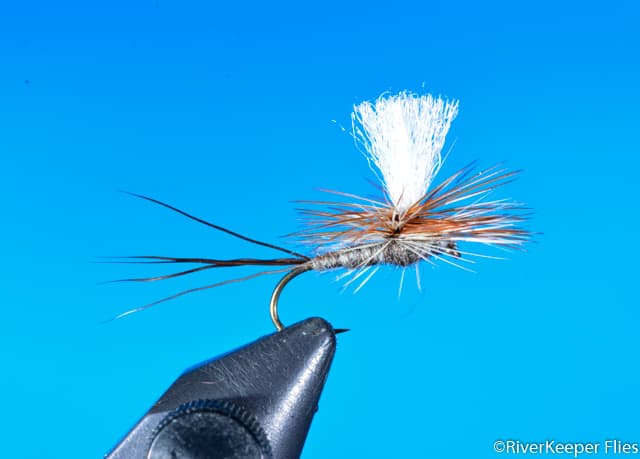
You can make fly fishing as simple or complex as you want. I could keep it simple and recommend they purchase a Parachute Adams and Purple Haze for their dry fly fishing.

Fishing a nymph? Try the time-proven Pheasant Tail or Hare’s Ear.


But why do these trusted fly patterns work?
Size, profile, and color are the basic characteristics to consider when selecting flies. I believe the order is important. Another important, but less discussed aspect is movement.
But first, what are the parts of a fly?
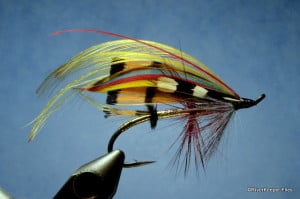
As a fly tyer, I need to look no further than any fly pattern sheet which lists the components of a fly, To keep it simple, here is the basic list:
- Tail
- Body
- Thorax
- Wing
- Legs
Not every fly uses all of them. For example, many flies don’t include tails. Is that important? Maybe, maybe not.
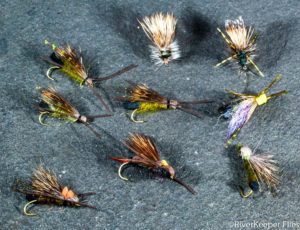
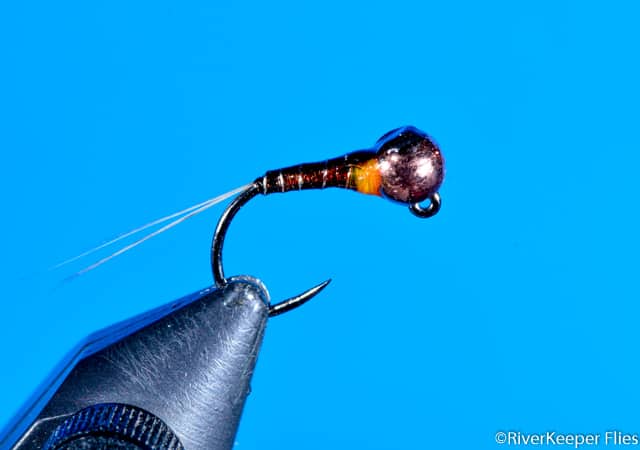
I plan to discuss materials used to tie each of the fly parts. This is where creativity in tying flies comes into play. You’ll find flies tied with all natural materials and some tied with no natural materials at all. These pheasant tail imitations are perfect examples. The left image uses pheasant tail and peacock while the Pheasant Tail Perdigon is tied using all man-made materials.
Are you trying to imitate a mayfly dun or emerger? I’ll provide my thoughts about imitating insect life cycles.
While I generally fish dry flies, I plan to include a discussion about nymphs as well.
Here are the three basic flies you’ll find on the water.
Mayflies


 Baetis / Blue Wing Olive
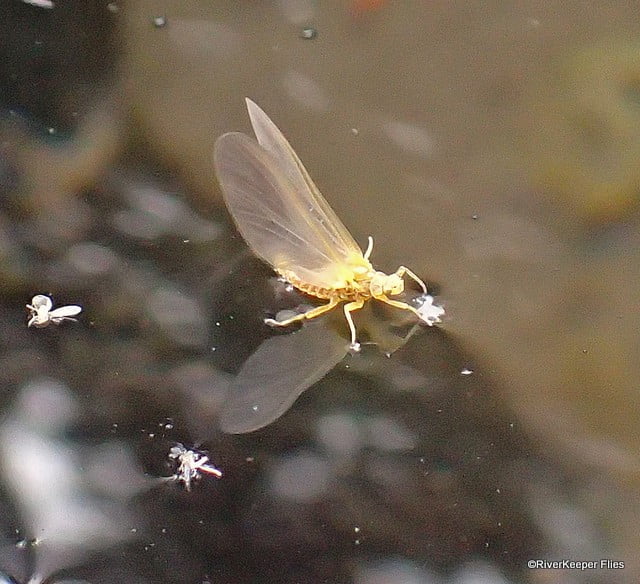


What do you see in these images? Upright wing, slim ribbed body and two or three sparse tails.
Stoneflies

 Salmo
Salmo
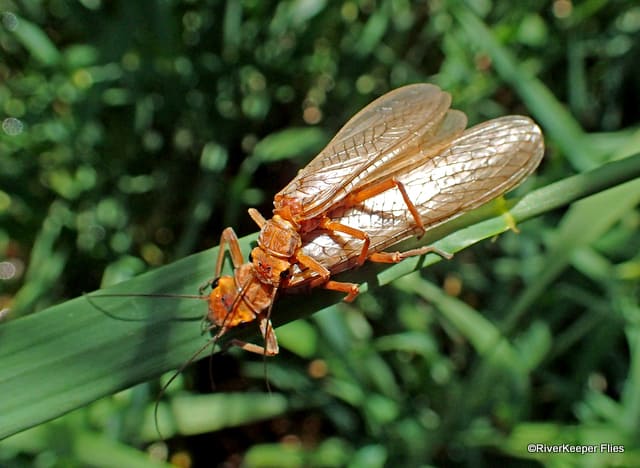
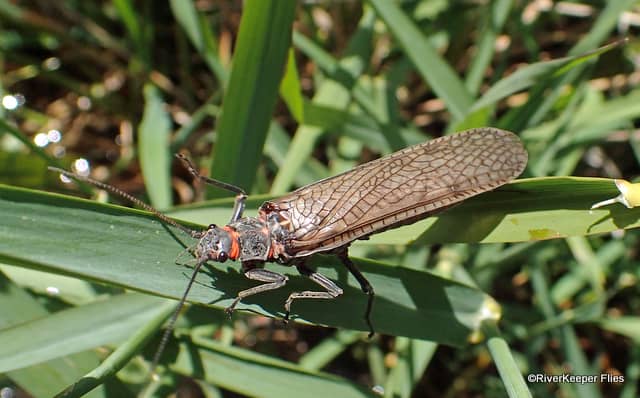

Stoneflies have flat wings over thick, round bodies with long antennae and provide a much different profile than mayflies.
Caddisflies
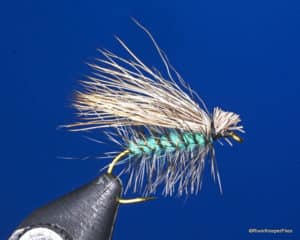
 October Caddis
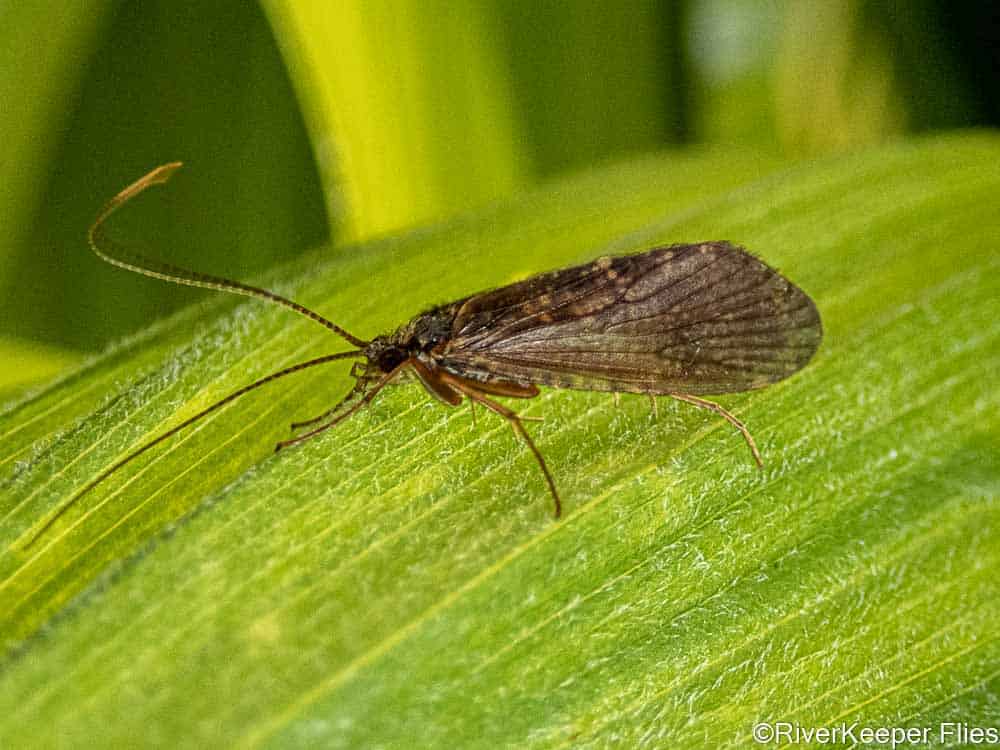
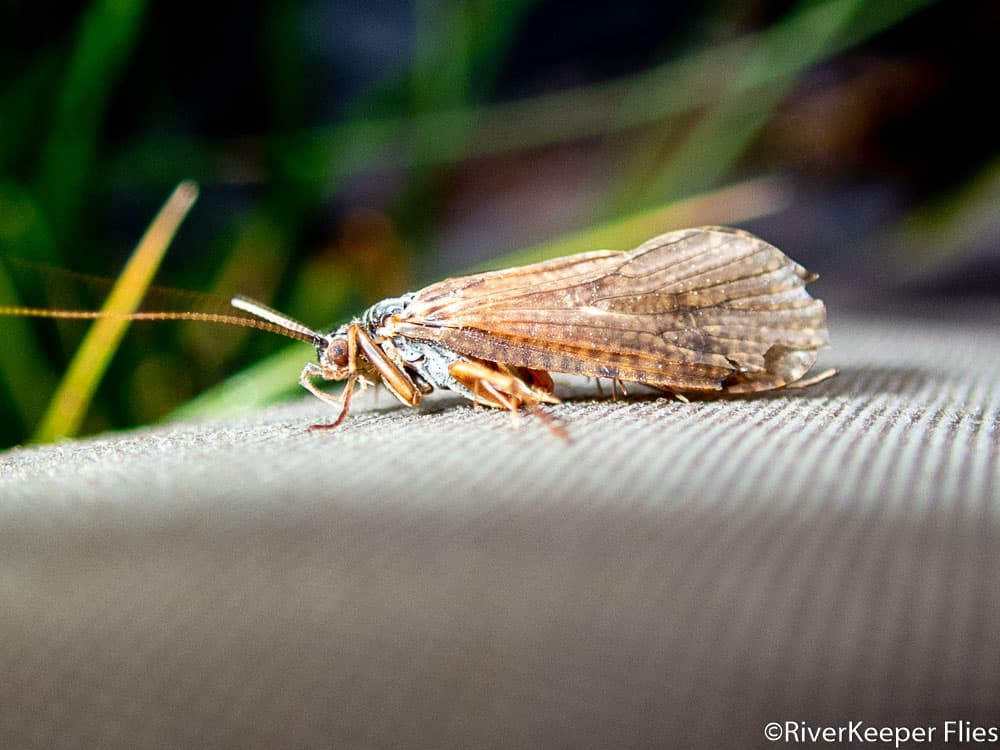
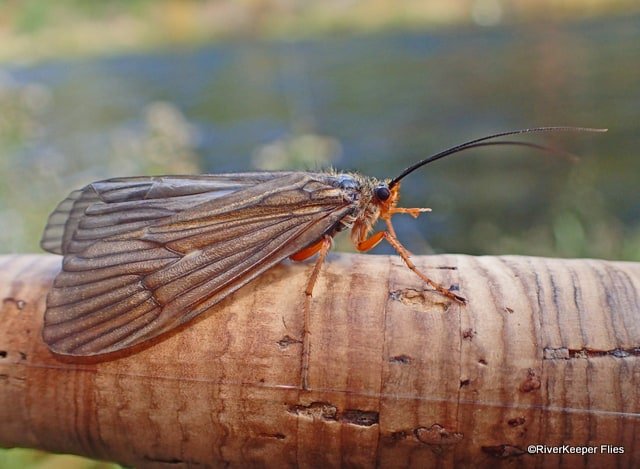
Notice the tent-shaped wings and long antennae of a caddis. Again, the profile as seen by a trout is much different.
The images above highlight the “profile” aspect of flies. I’ll work on ways to discuss the following aspects as well:
- Attractor vs Searching patterns
- Impressionistic vs imitative patterns
Another important consideration is to determine where you plan to fish. Is the water slow-moving, like glass? Or boulder-strewn with fast-moving water? Selecting the right fly will increase your fishing success.
My philosophy about flies is to keep it simple. Select time-tested fly patterns instead of using the latest and greatest flies that constantly change in fly shop bins. Perhaps you’ve heard the saying there are flies that catch fish and others that catch fly fishers. There’s some truth to that!
That’s not to say newer flies don’t catch fish. A perfect example is a Chubby Chernobyl. It’s a staple in my stonefly box and tied with all man-made materials. The rubber legs are a perfect example of a simple material added to the fly to provide movement.

Lastly, while selecting the right fly is important, your presentation skills and being able to see your fly or feel the fish eat your nymph is even more important when hooking fish.
These are some initial thoughts I’ll use for my outline.
If you are relatively new to fly fishing, let me know in the Comments below what questions you have, and I’ll incorporate them into a more detailed post in the future.
Enjoy…go fish, stay safe!