As you’ve read in previous posts, I’ve been tying flies lately. It’s that time of year for me. And I don’t plan on stopping anytime soon. I’ve finished my fly tying commitments for now, which includes filling orders and tying a few Mercer’s Poxyback Green Drake nymphs in the last week. So the question now is, what flies to tie next?
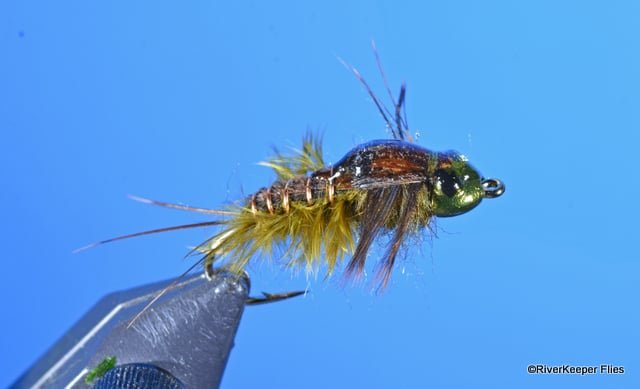
The fly above will be mounted on a plate entitled Green Drake Life Cycle, part of a project Central Oregon Fly Tyer’s Guild is working on for the 2019 NW Fly Tyer and Fly Fishing Expo in Albany, OR.
I’ve got a few more nymphs to complete before I move on to what I should tie next.
So that got me thinking. What were the most popular flies my clients purchased or I fished in 2018?
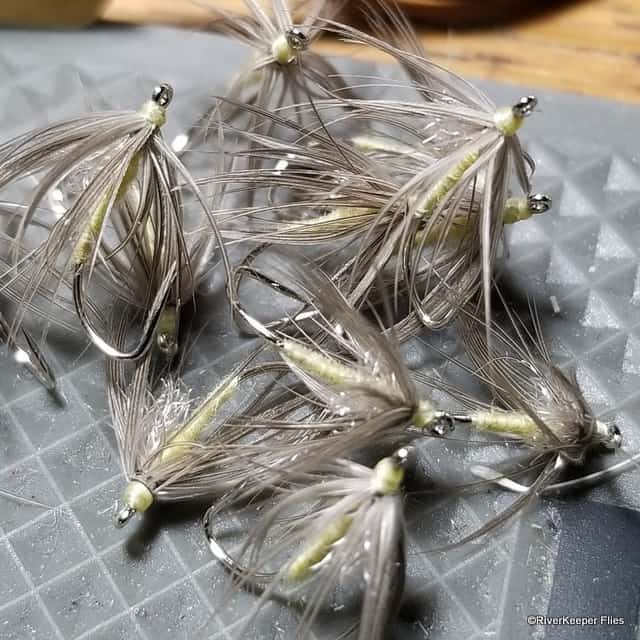
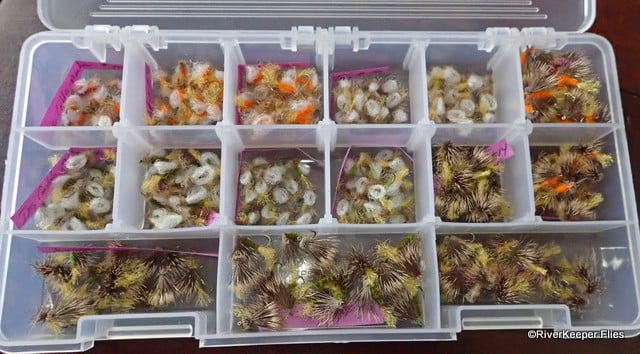
This year’s top fly was my RiverKeeper Soft Hackle Cripple. I tied almost 37 dozen to imitate BWO’s, PMD’s, and Green Drakes.
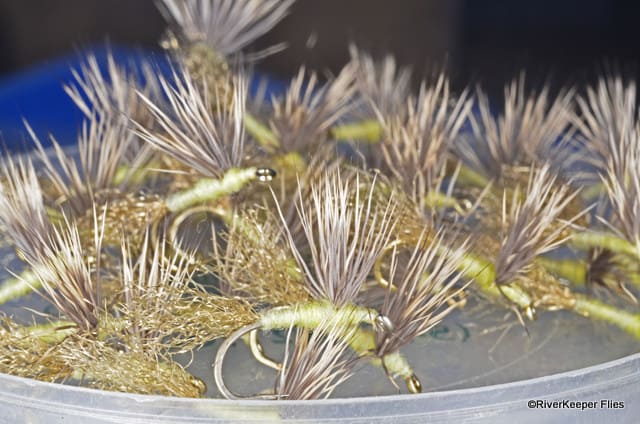
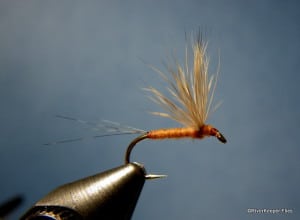
Next on the list with 31 dozen were Sparkle Duns tied to imitate BWO’s, Callibaetis, PMD’s, and Green Drakes.
How about a few X Caddis (16 dozen) and Iris Caddis (14 dozen)?
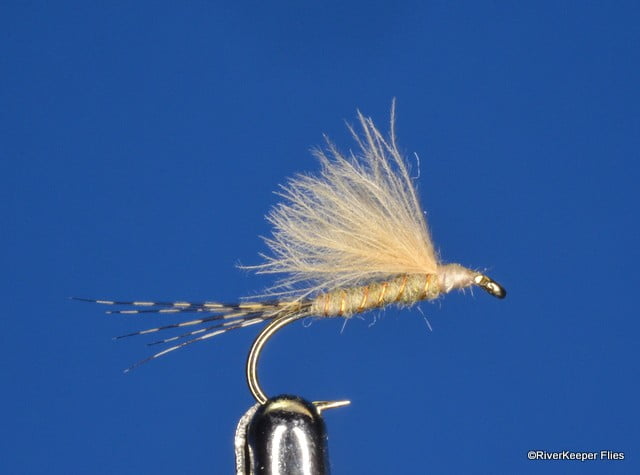
Do you remember me writing about the terrific Callibaetis hatch on East Lake? My RiverKeeper Callibaetis Emerger (over 6 dozen) worked very well.
A Clark’s Lady Stone (6 dozen) worked very well during the Salmonfly and Golden Stone hatch.

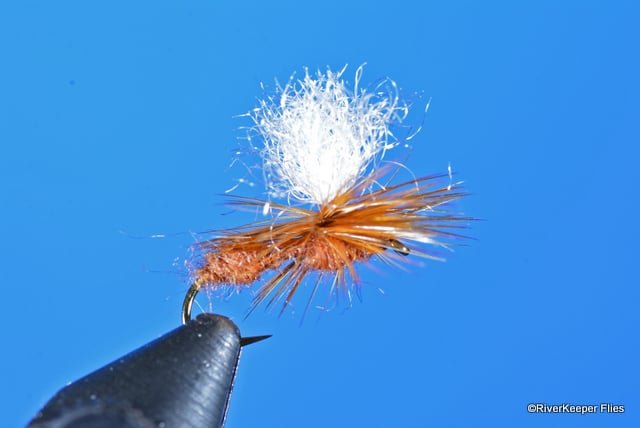
My new favorite ant pattern, Arrick’s Parachute Ant (6 dozen). These flies caught some very nice fish on the Madison River.
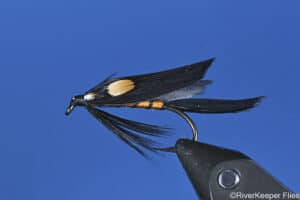
And last, but not least, is Beetle Bailey (over 5 dozen)

If you look at all these flies, what comes to mind is that simple, well-tied flies catch fish.
I think I just made my list for the next couple of months.
Enjoy…go fish!
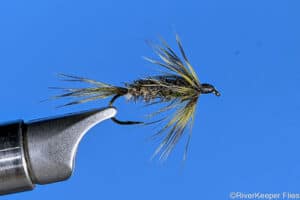


I’m very impressed that a soft-hackle was the number one fly. It’s interesting to know that so many people are using a method that certainly isn’t the most practiced form of fly fishing. I’ve been studying the tying of these sorts of flies and how to fish them the last few months and certainly tied and fished with soft hackles and flymphs a lot more lately.
There is a large number of fishermen and fly tyers out their who are fascinated with the old English wet flies and their originator’s methods to fish them.
I’d highly recommend that anyone interested in learning more about these type of flies check out flymphforum.com.
Ron
Thanks for your Comment.
Remember, I’m fishing these soft hackles DRY and not with the standard swinging technique. Your Comment leads me to believe you think I’m using the traditional method of fishing soft hackle flies. I dead drift them as they float on the surface. I believe these flies imitate the cripple stage of mayflies.
John