There are two fly tying materials I have confidence in – peacock and grizzly hackle. For some reason, they catch fish. I just like the multiple colors of each material. Whether you are tying your own or purchasing flies at your favorite fly shop, think about adding flies with these magic materials.
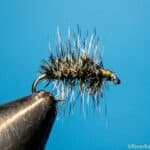
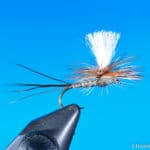
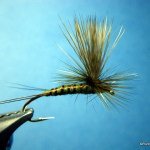
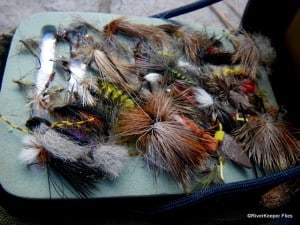
Here are a few flies that come to mind using peacock and grizzly. Some use only one of the materials, while other flies use both.






What makes them magic fly materials?
Peacock Herl
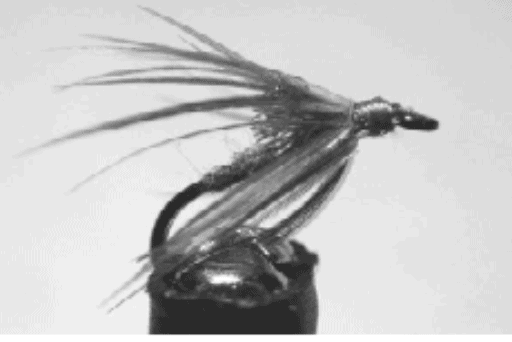
Peacock is in many of the older favorite patterns from years past. (Check out my RiverKeeper Flies Facebook page where I’ve posted pics of older flies for “Throw Back Thursday” – each Thursday I add a new fly you’ll enjoy). Sure, peacock was probably readily available, but it has stood the test of time. I’m sure many of you have used some version of a Royal Coachman. It still catches fish! Here is a Royal Coachman wet fly I found in one of my vintage fly wallets.

For you fly tyers, there are a couple of different ways to obtain peacock herl. Most tyers purchase strung peacock herl of various lengths in packages.
Strung Peacock herl

But have you ever used peacock eyes? Many times, this is the best peacock you can find. The choice herls I use are located close to the top of the eye. And using peacock eyes, you can find different sizes to create the right effect for small or larger flies.
Peacock eye
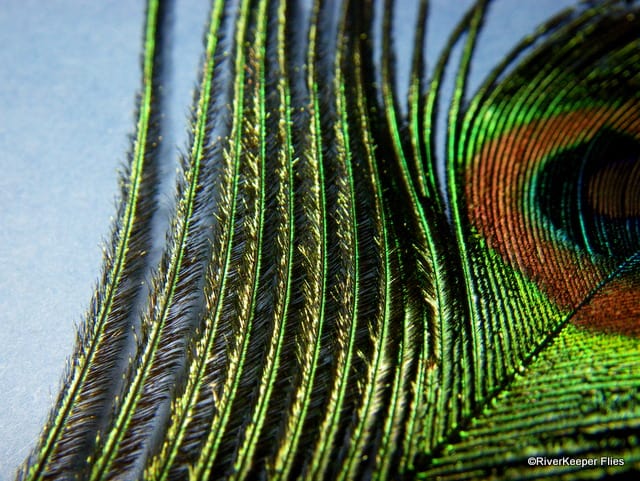
Have you really looked at a piece of peacock herl up close? How many colors can you see? Let’s see…there’s insect green, olive, brown, rust. And check out the small barbules on each piece of herl. I believe those are some reasons why it is so effective in fly patterns.
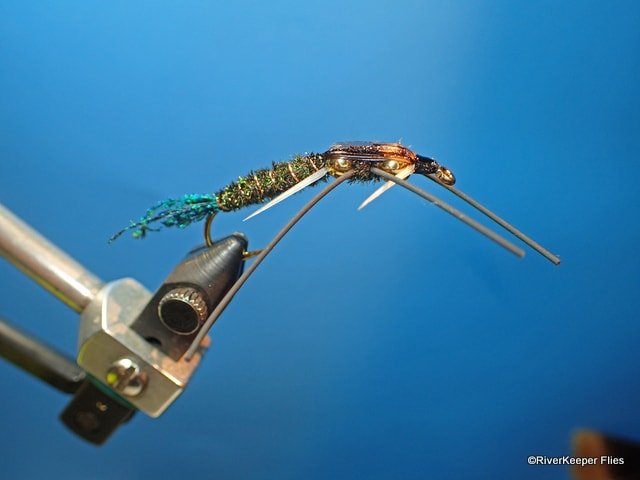
One of the simplest flies I use is called the BFN (Big “Fricken” Nymph). I originally tied it as a method of fishing for trout with a small dropper…think $3 Dip, Copper John, or Pheasant Tail Nymph. The BFN is a heavily weighted fly intended to sink quickly in fast water. It takes the dropper to a proper fishing depth.

I use the BFN for steelhead as well…and catch fish with it. I’m always amazed to hook a steelhead with this fly. It is so simple to tie, but the fish-catching ingredient has to be peacock. When wet, all the fibers are moving and look very realistic.
I guess the closest commercial fly would be the Double Bead Peacock Stone Nymph. It works too!
Grizzly Hackle
How about grizzly hackle? Grizzly is composed of two colors with barring. It can be found in natural colors as well as dyed.

A normal grizzly neck is on the left side with its black and white colors. The other neck is a beautiful grizzly dun which works especially well on lighter colored mayflies. And here is grizzly in burnt orange and olive.
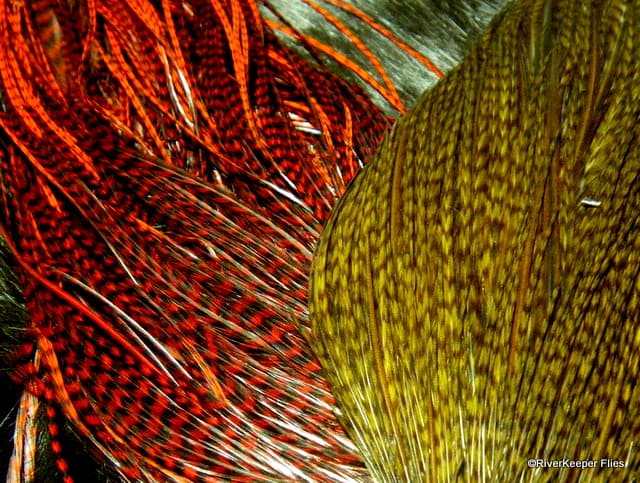
I believe grizzly hackle simulates movement. There are literally thousands of flies that utilize grizzly hackle.
Here are a few flies to prove my point. The first one is an old standard Adams I tied several years ago. I’ve gone away from fishing this style of fly. It would be good fished on faster water.
Adams

I’ll fish a Parachute Adams these days. I like the lower profie.
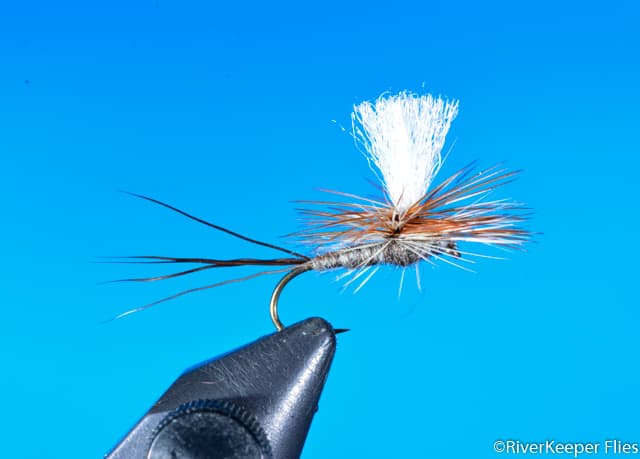
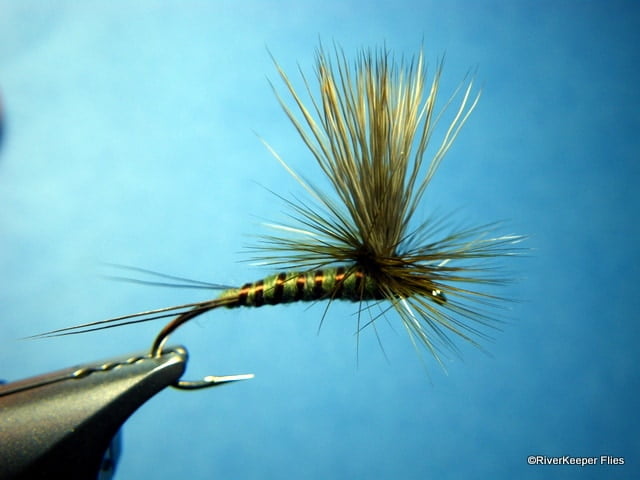
Or my RiverKeeper Green Drake Parachute:
So the next time you go to a fly shop or sit down at the fly tying vise, think about flies that incorporate these magic fly materials – peacock and grizzly.


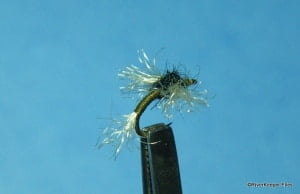
Great stuff. And, I love the effect one gets by wrapping Pearl Flashabou over Peacock Herl.