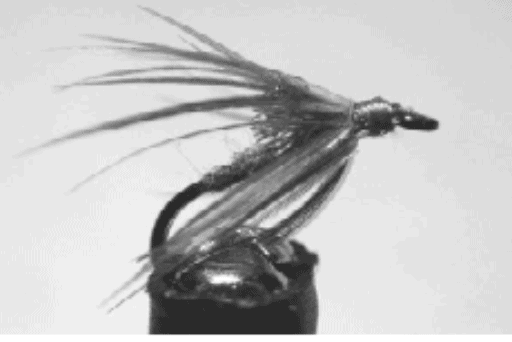
I’m looking at the calendar and note the first day of September is only a couple of days away. Usually, by this time of year I would have pulled out my fly boxes to see if I need to tie more flies for September fishing.
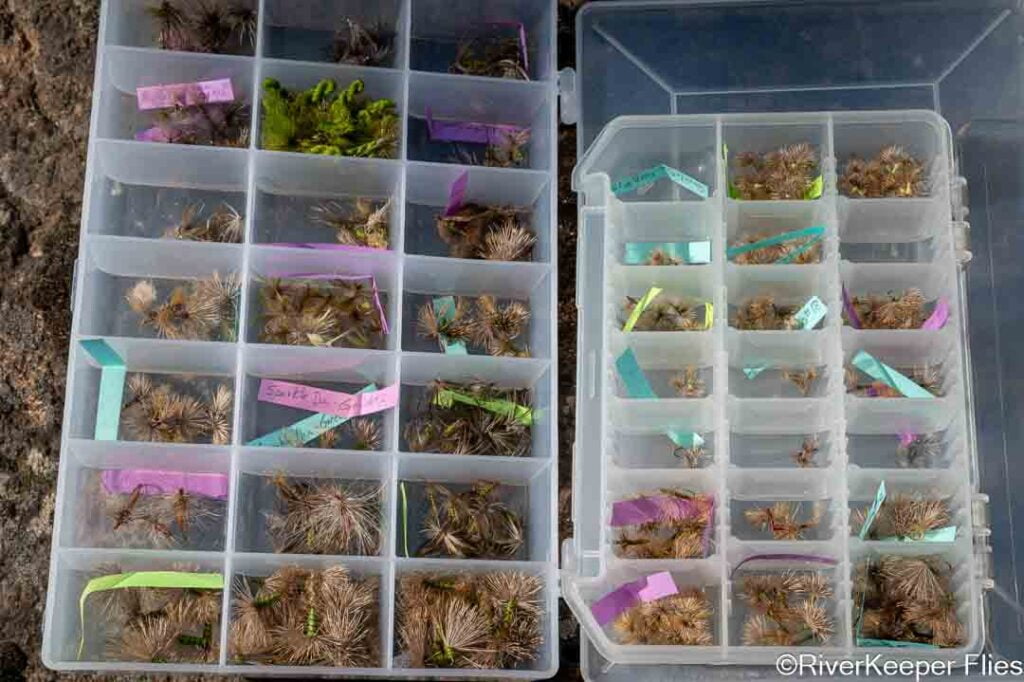
These are my provider boxes. My fly boxes seem to be mostly full and when the fishing is going strong, I frequently pull out these boxes to fill in the holes.
I lost a month because of Covid. I really miss seeing fish rise to a natural fly, selecting an imitation I think the fish might take, casting and watching the fish rise to my fly.
I feel much better and am now ready to return to the river.
As I recall, September is a month of transition when the fish become more active after the August doldrums…at least for me. My mind tells me the fishing will be great, but my experience has been looking for rising fish and changing flies. October has been much better for me. But as the September days pass one by one, I know the fishing will get better late in the month.
So in the next two months, here are the flies I need in my fly box.
Mayflies
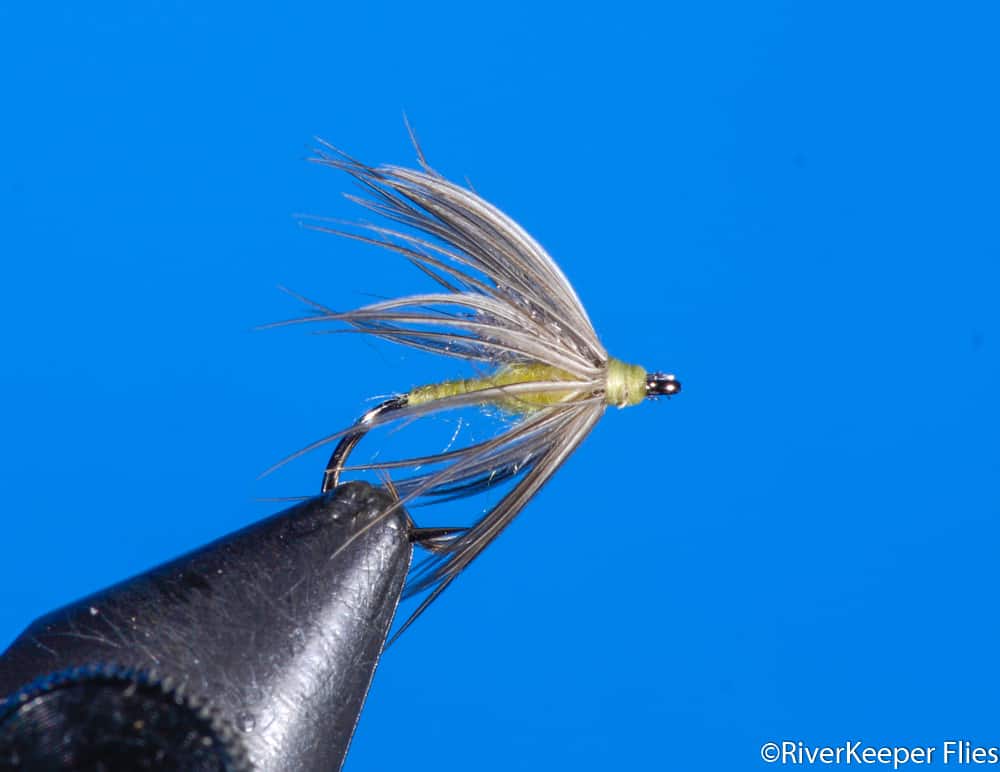
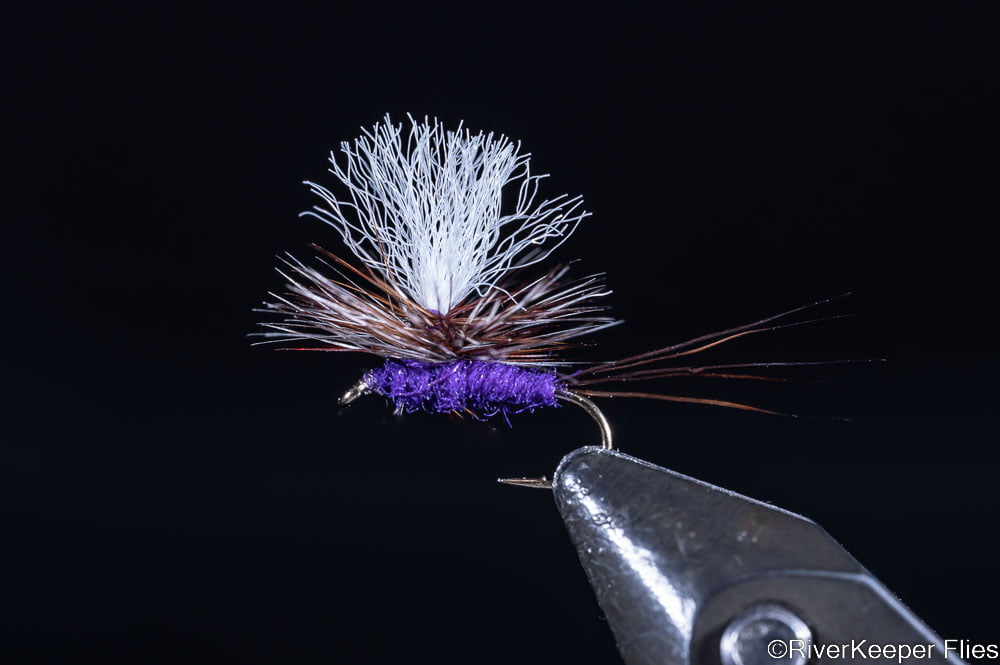
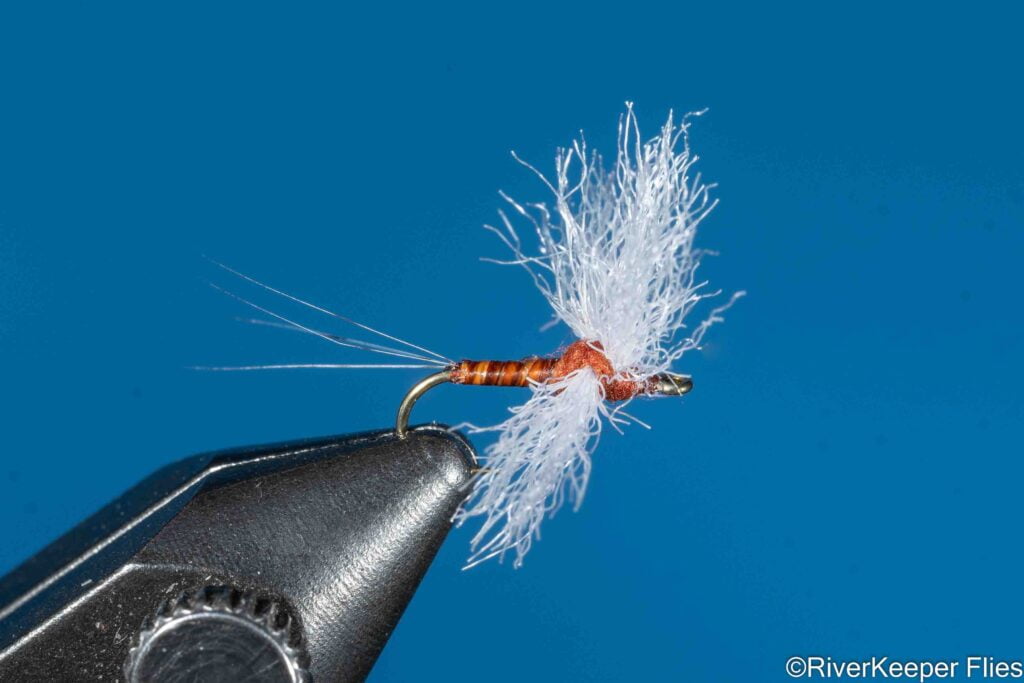
I’m looking forward to the fall Green Drake and Flav hatch on my home waters. Besides Drakes, here are the mayflies I expect to see in the next couple of months:
- Green Drakes (size 10 – 12), Caudatella (size 14 – 16), Flavilinea (size 12 – 14)
- PMD (size 16 – 18)
- PED (size 14)
- BWO (size 18 – 22)
- Mahogany Dun (Size 16)
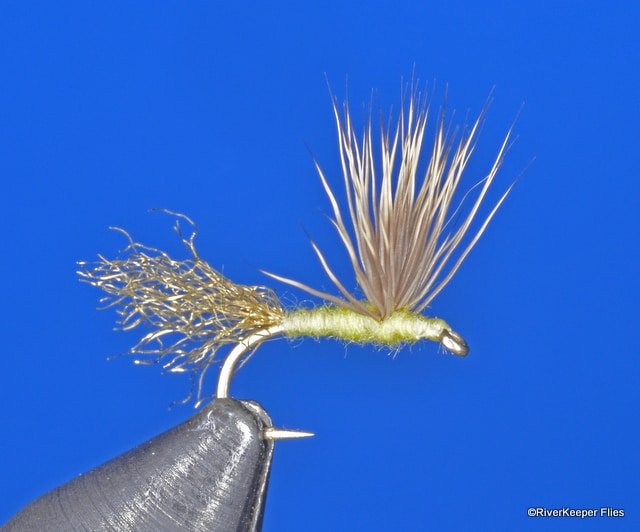
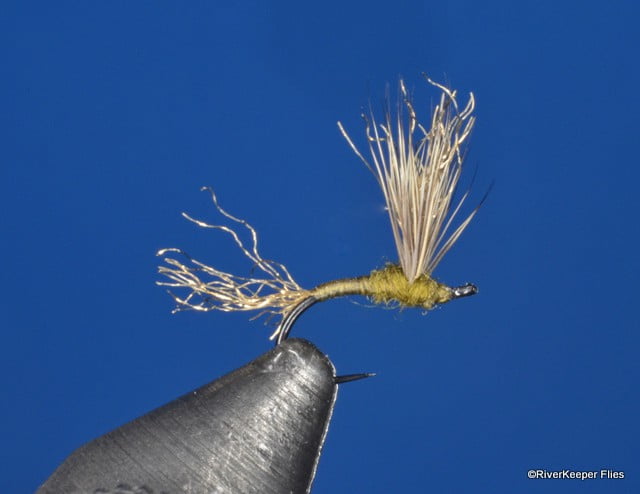
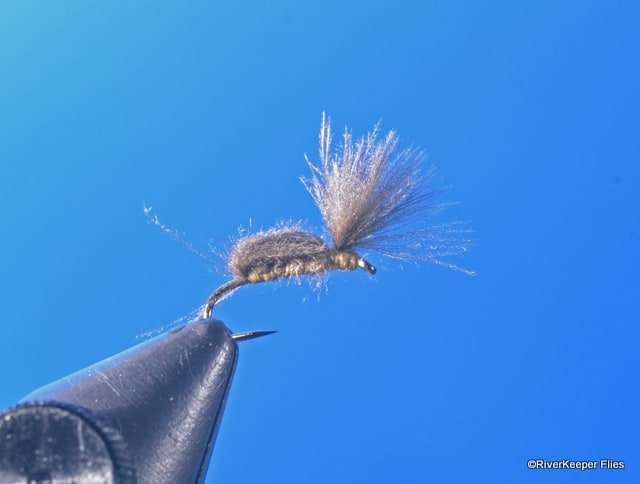

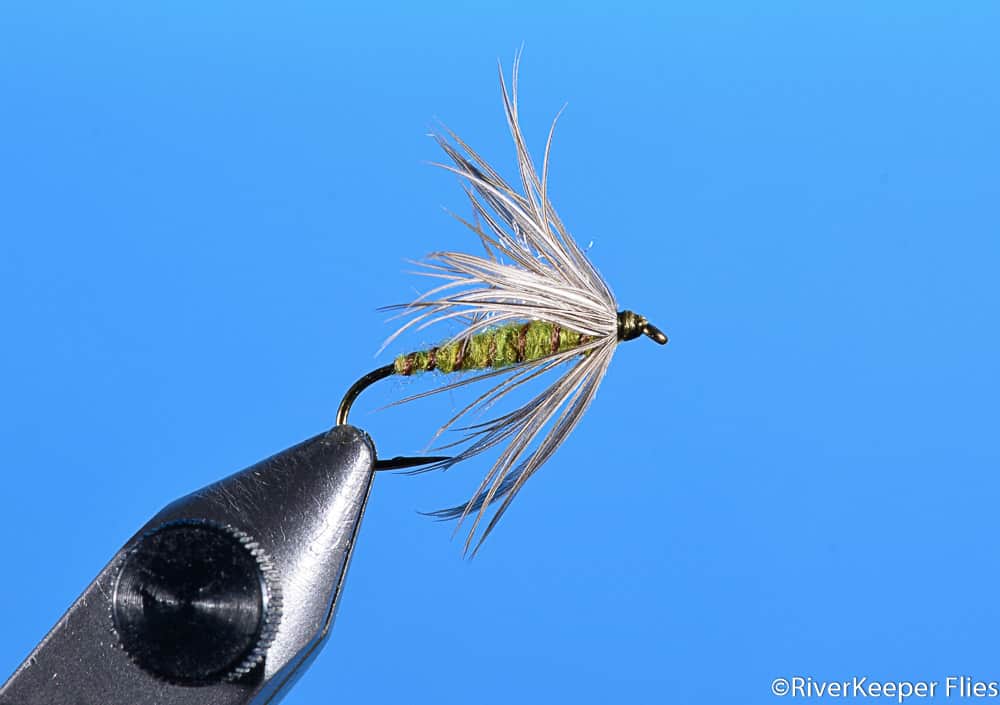
Caddis
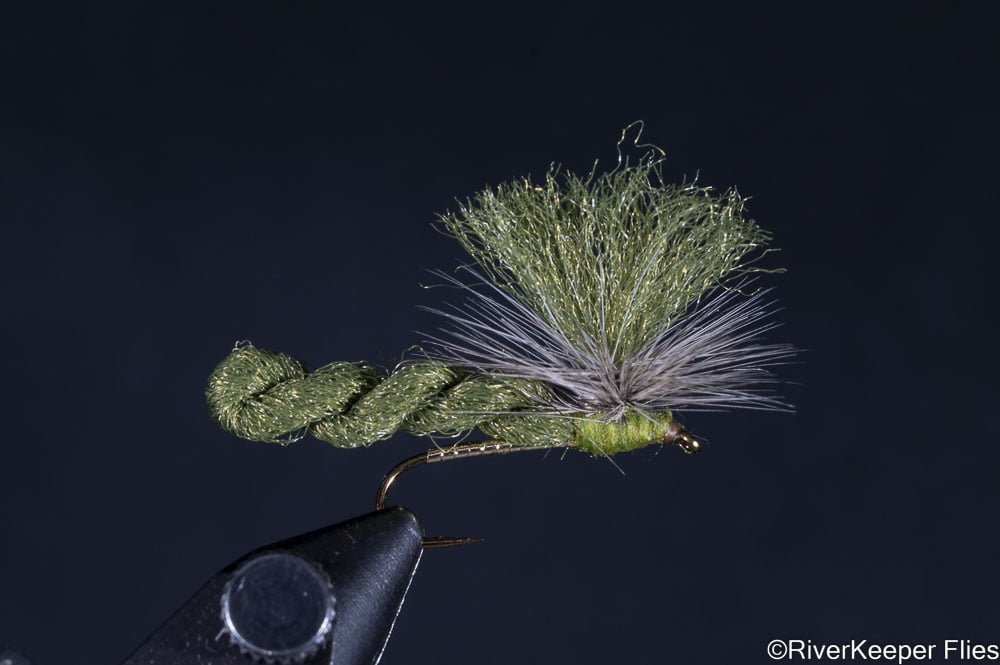
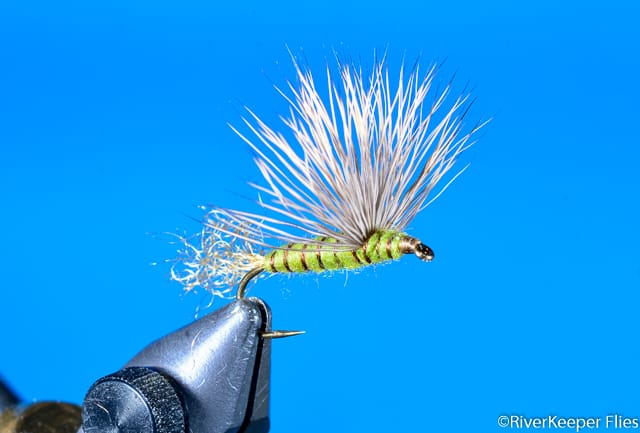
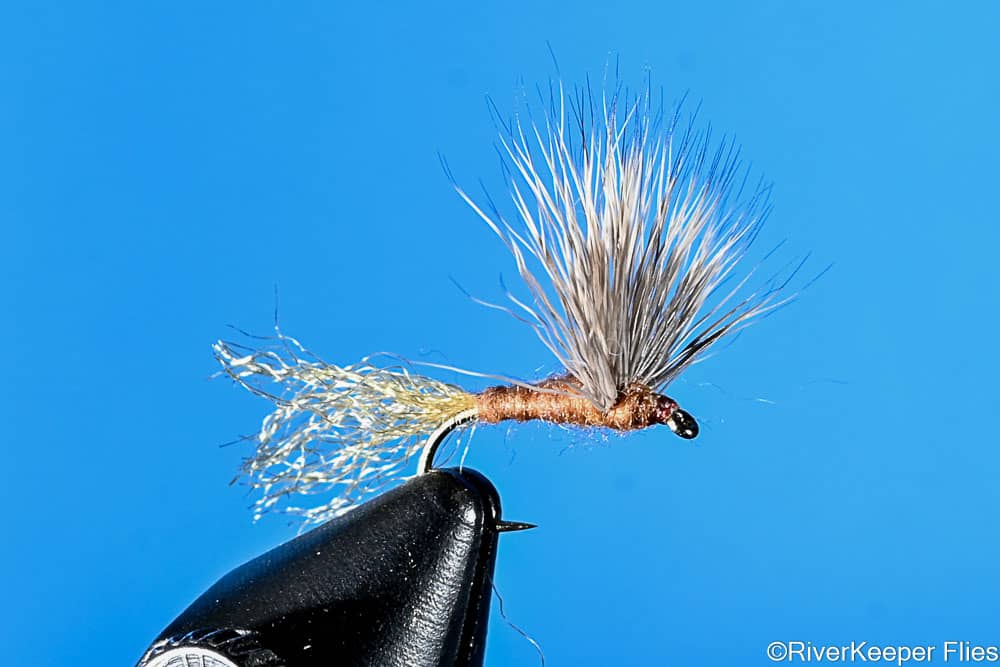
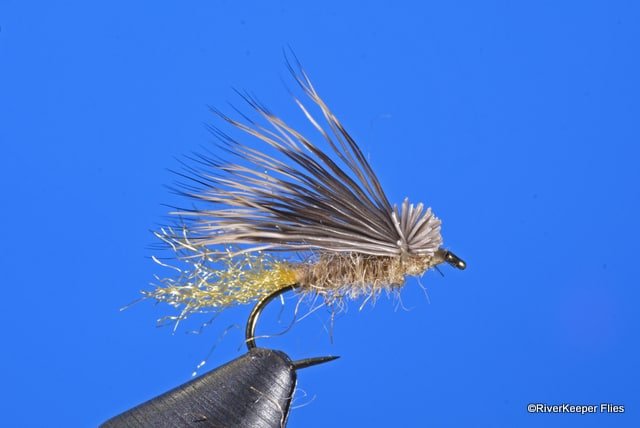
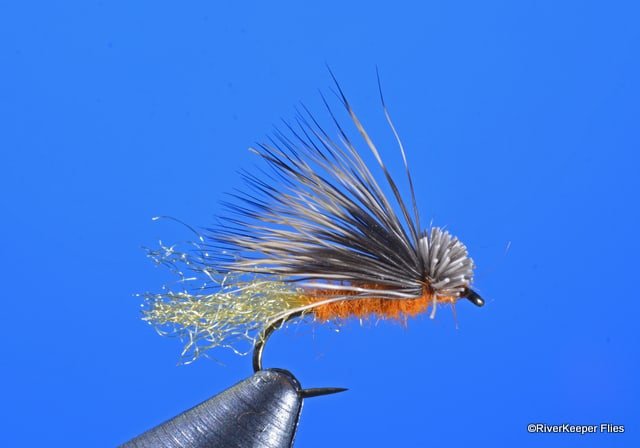
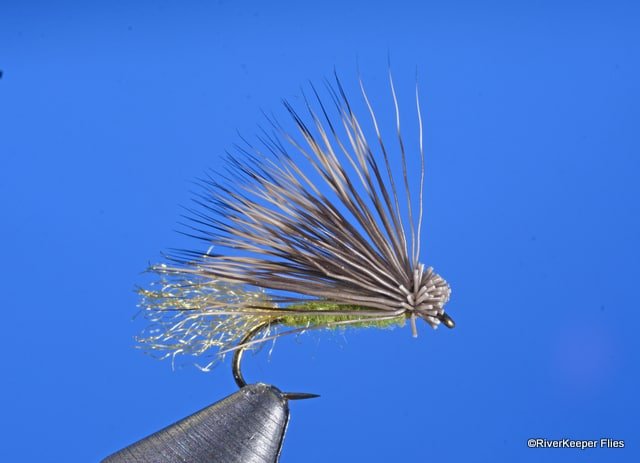
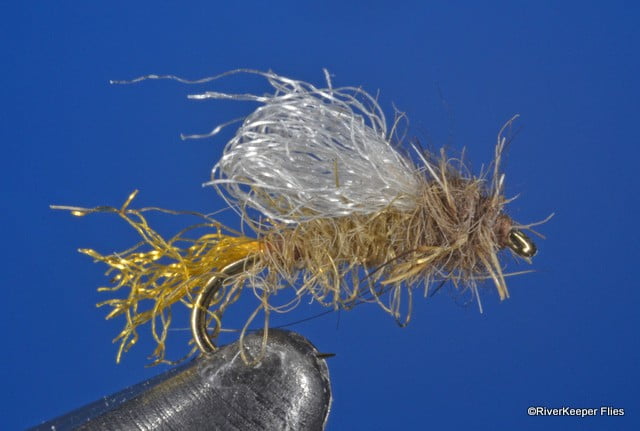
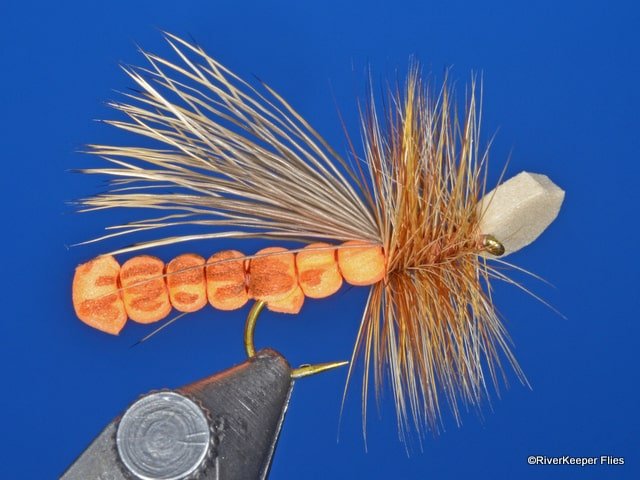
There will be lots of Caddis this time of year. I like the X Caddis and Iris Caddis to imitate them. And October Caddis will be more prevalent in October.
- Tan (size 16)
- Yellow-tan (size 16)
- Olive (size 16 – 18)
- Gray (size 12 – 16)
- October Caddis (size 10)


Stoneflies
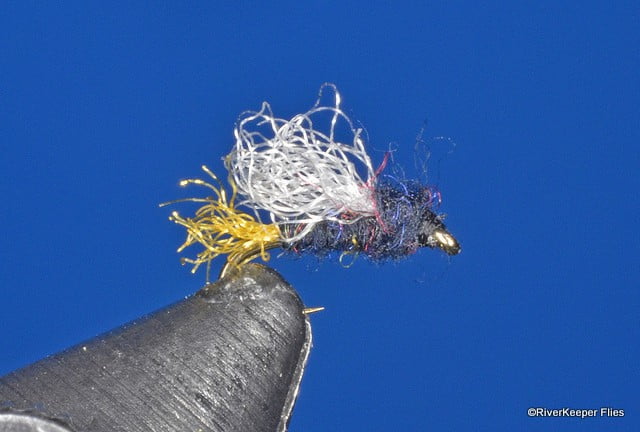
A Little Olive Stone is prolific on the Metolius. Many fly fishers think it’s a Caddis when they see them flitting about over the water, but upon closer examination, indeed they are Stoneflies. Just sit along the shore and the bugs will crawl all over you! You’ll find they are sizes 16 – 18 and I use the Improved F Fly to imitate them.
The Cascades Stone (size 6) is a hatch I’ve seen only on the Metolius. Fish don’t key on them and they are quite elusive. Try an imitation along the brushy shore late in the early morning or late evening.
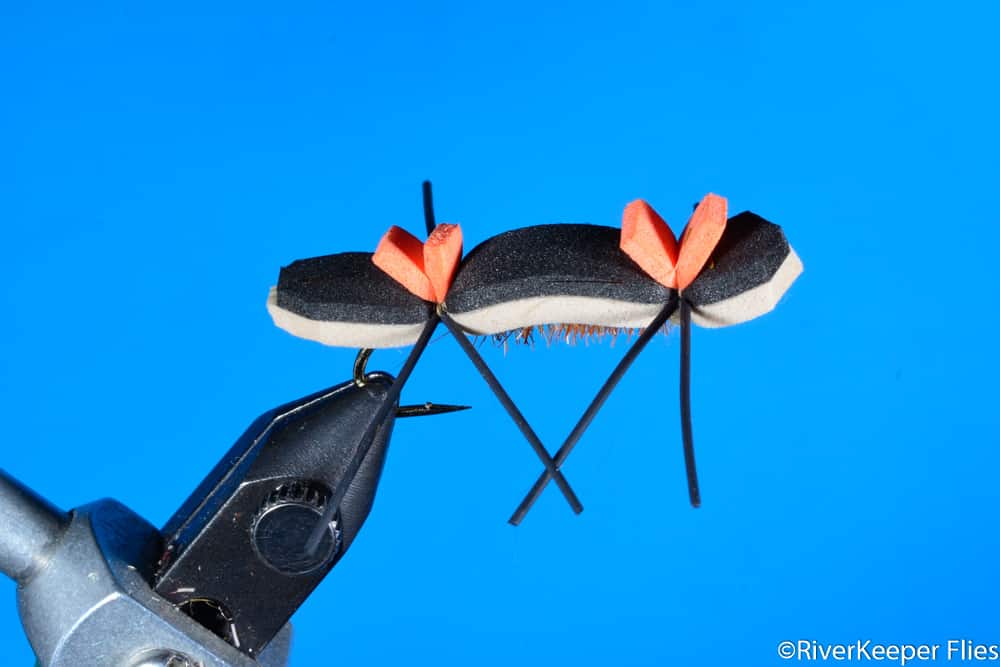

I need to spend some time at the vise filling a few holes in the provider box.
Enjoy…go fish!




Love all your insight. I have been honing my skills on the Met the last 3 years. I make a trip in the srping and the fall. Heading there in 2 days! Also just listened to your podcast on the destination angler. Thanks for sharing John.
You tie a lot of deer hair winged Comparaduns. Have you tried the EP Triggerpoint fibers for the wings? I’m super impressed by it’s floatability….very hydrophobic.
Thanks for the Comment Gary
I wrote a post in January 2022 where I presented substitutes for deer hair wings on Sparkle Duns. Use the SEARCH function on the menu bar and type in “Effective Fly Tying Substitutes for Deer Hair Wings”. I found I can’t tie a slim profile with EP Fibers for small flies. I use EP Trigger Point fibers for my spinner patterns, but don’t share your observation about its floatability. I find the fibers bunch together easily and I continually treat them to make them float.
John
I’m grateful for your blog. So helpful. Thank you.
Thanks Keith…happy to hear you enjoy it!
John