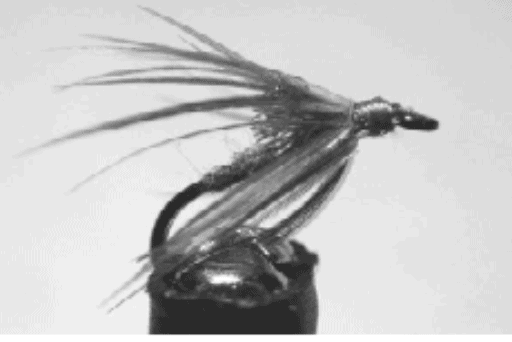
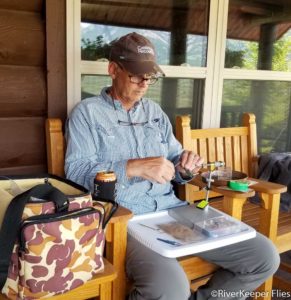
As I sit down at my fly tying vise today, I decided to tie a few flies imitating a Blue Wing Olive mayfly.
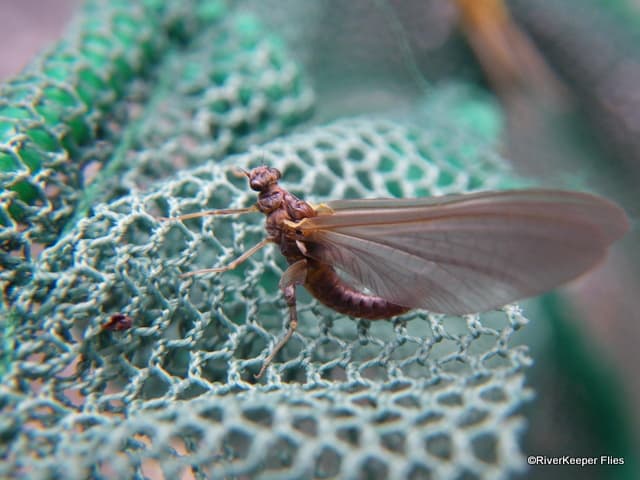
It’s timely because these bugs are still popping out of their nymphal shucks and I hope to go fishing this week and find a few fish sipping them.
But the main reason I’m tying this fly is I decided to participate in a Westfly BWO fly swap (check out the Westfly online forum at www.westfly.com). First fly swap for me. I looked at the flies others on the forum planned to tie and I thought…“I’m in”! Just the extra push I needed to tie a few trout flies.
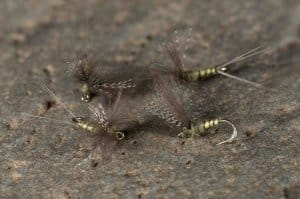
One of my favorite fly patterns is the Blue Wing Olive – CDC & Biot. So I’m tying a dozen in size 20 for the Westfly BWO fly swap.

I usually tie these flies in a size 18, but fish #20’s as well. I think I’ll tie ½ dozen #18’s just to get the technique right and then move down in size to the #20’s. Tying the larger size first will help develop and reinforce the proper proportions.
The Blue Wing Olive Mayfly (BWO) is a tiny mayfly that hatches year-round. The reason the BWO hatch is so important in the winter is because there aren’t many other bugs hatching. But it usually is a short 20 – 30 minute hatch when it’s really cold. Trout sip these insects all winter long. You won’t find the splashy rises when they come up for Salmonflies, Golden Stones, Caddis, or Green Drakes. You might find them hatching with midges.
If you’d like to learn more about Blue Wing Olive Mayflies, check out the following books:
- BugWater: A fly fisher’s look through the seasons at bugs in their aquatic habitat and the fish that eat them by Arlen Thomason
- Western Mayfly Hatches: From the Rockies to the Pacific by Rick Haefle and Dave Hughes
What flies should you use to imitate the hatch? Good question!
Here are a few Blue Wing Olive Mayfly patterns I’ve found successful over the years:
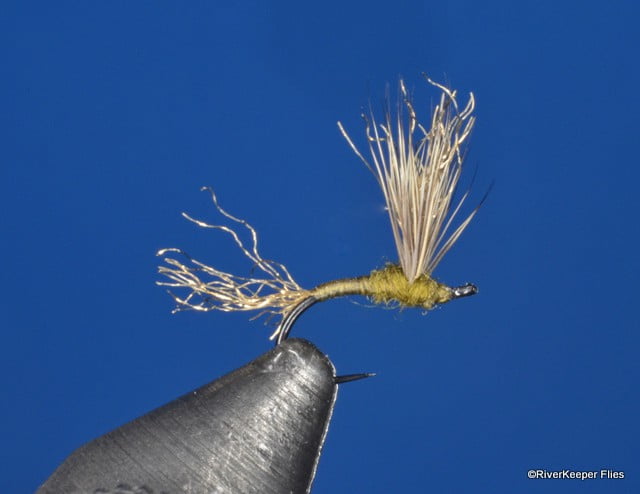


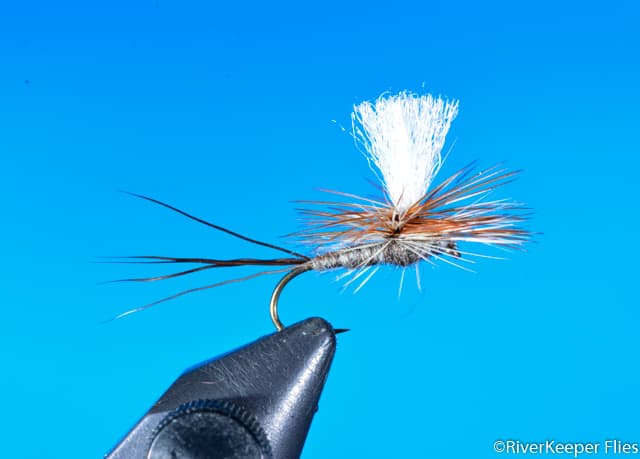

Well, there you have it. Hopefully tying the Blue Wing Olive – Biot & CDC will get me back into tying.
What’s your favorite Blue Wing Olive fly?
(Be sure to Follow RiverKeeper Flies on Facebook)




I will trade you for some of mine! Would be a great deal for ME!
Cool looking flies!! I don’t know if I have a favorite. They all have a unique design and purpose…