It shouldn’t come as a surprise if you’ve followed RiverKeeper Flies for some time that I like to fish dry flies. I can tie many fly patterns, but I always come back to what I describe as simple, but effective flies. That phrase seems to be my mantra and those types of flies are generally what you’ll find tied to the end of my tippet. I’ll be demonstrating my favorite caddis dry flies during this week’s Zoom presentation for Central Oregon Fly Tyer’s Guild.
Here is the Zoom link. UPDATED 2/13/2026
CO Fly Tyer’s Guild’s Zoom Meeting
Time: Feb 12, 2026 05:00 PM Pacific Time (US and Canada)
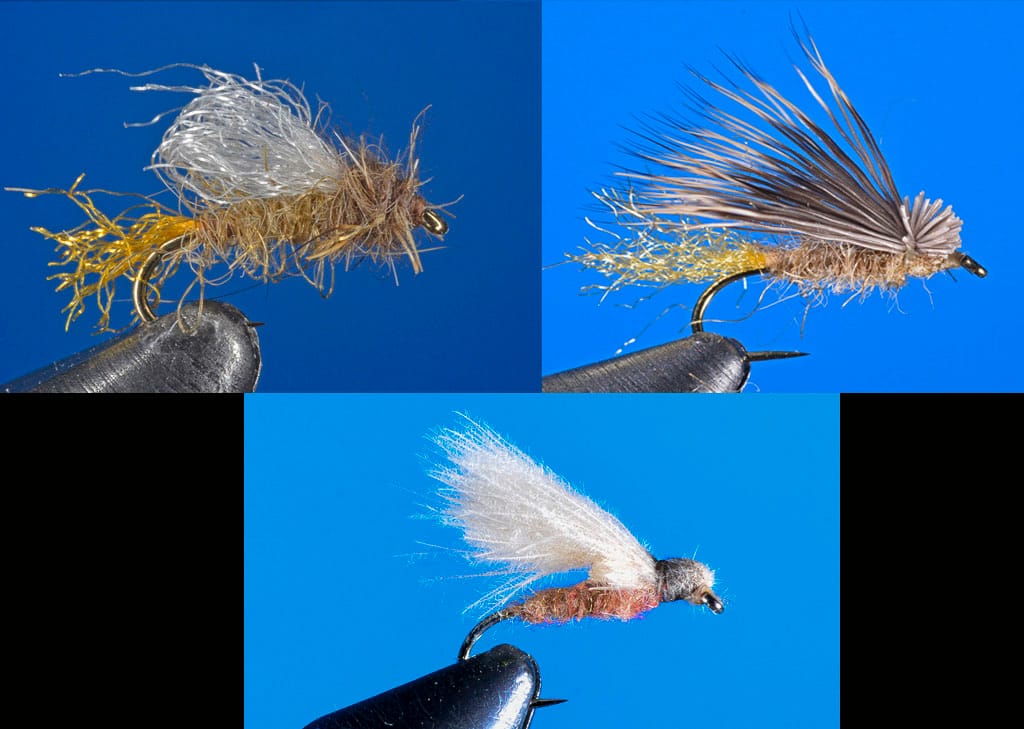
The X Caddis is the fly pattern I fish the most, specifically a size 16 tan Caddis when fishing the Madison River, MT in early July.
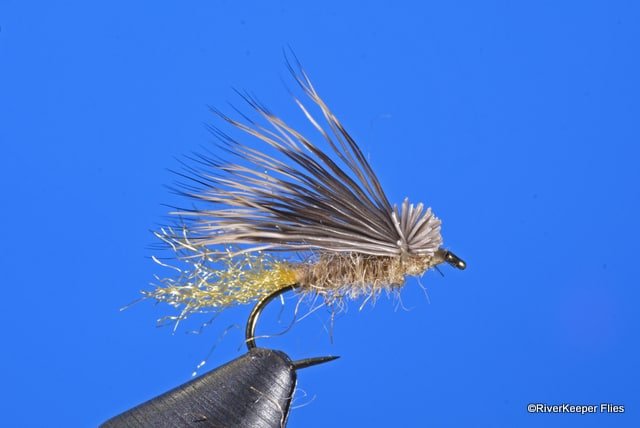
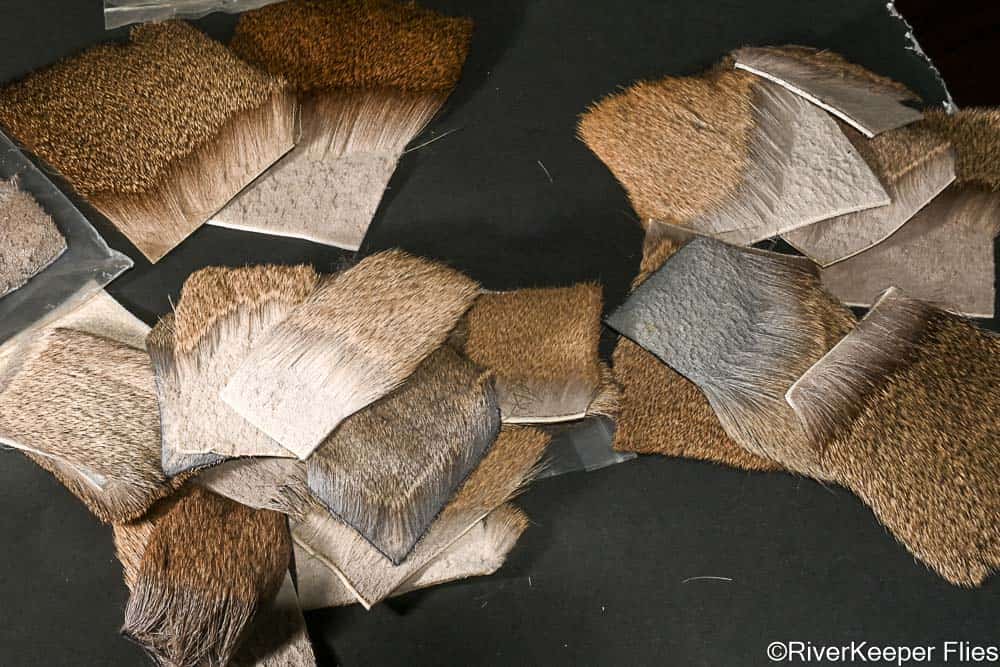
Using the right deer hair will help you tie the fly. I wrote a post in 2021 titled Selecting the Proper Deer Hair to Tie Sparkle Dun and X Caddis Flies describing deer hair properties for different fly patterns.
If you are interested to learn more about the X Caddis, I shared history of the fly in an earlier Throw Back Thursday Flies post.
An Iris Caddis is another excellent fly pattern I use in the evenings during a Caddis hatch. It imitates a stillborn caddis and the white wing is see in low or flat light and just seems to glow. In addition, the wing provides a natural silhouette of the real insect.
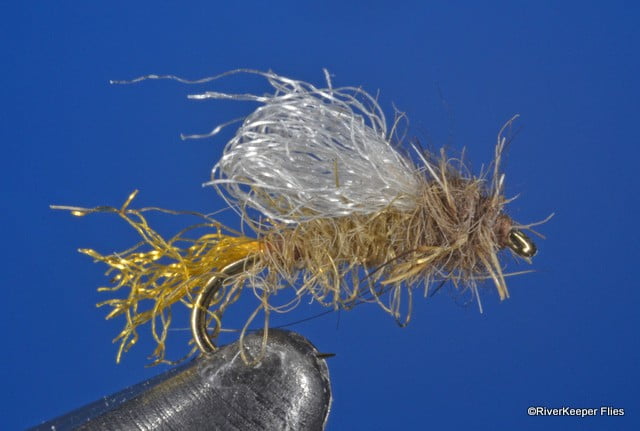
The Improved F Fly is very effective Caddis imitation and one we use for selective trout. Why does it work so well? I have no idea, but grateful it does. We’ve caught some very nice trout with this fly. For some reason the CDC wing is just magic!
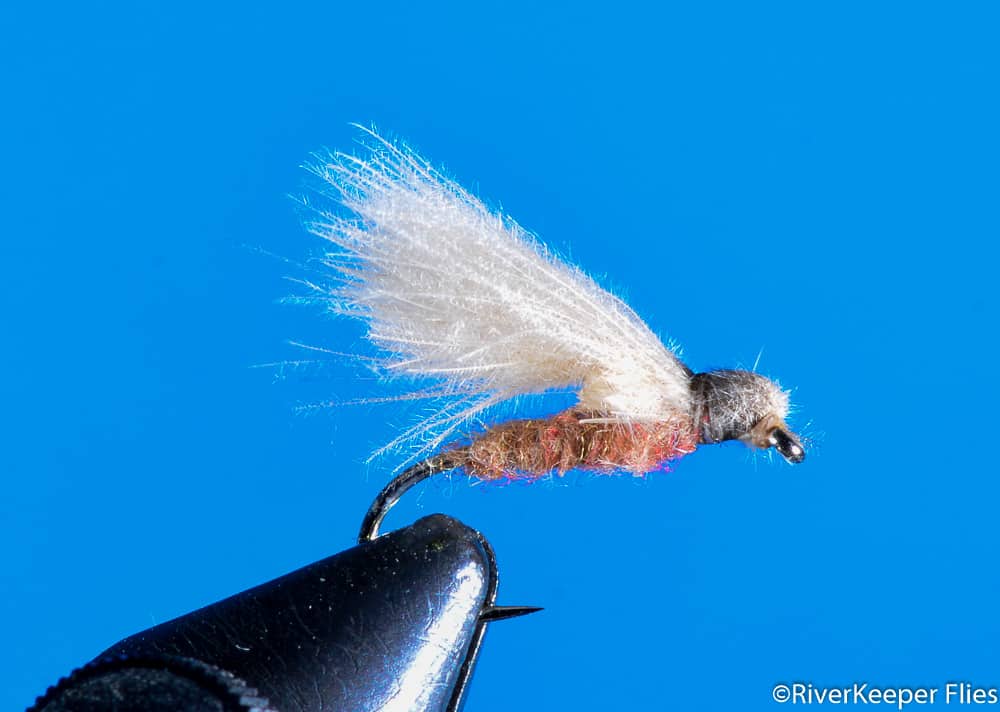
I started tying this fly back in 2018 at the request of a customer in sizes 18, 20, and 22. After completing his order, I challenged myself to see how small I could tie the fly. This one is size 24!

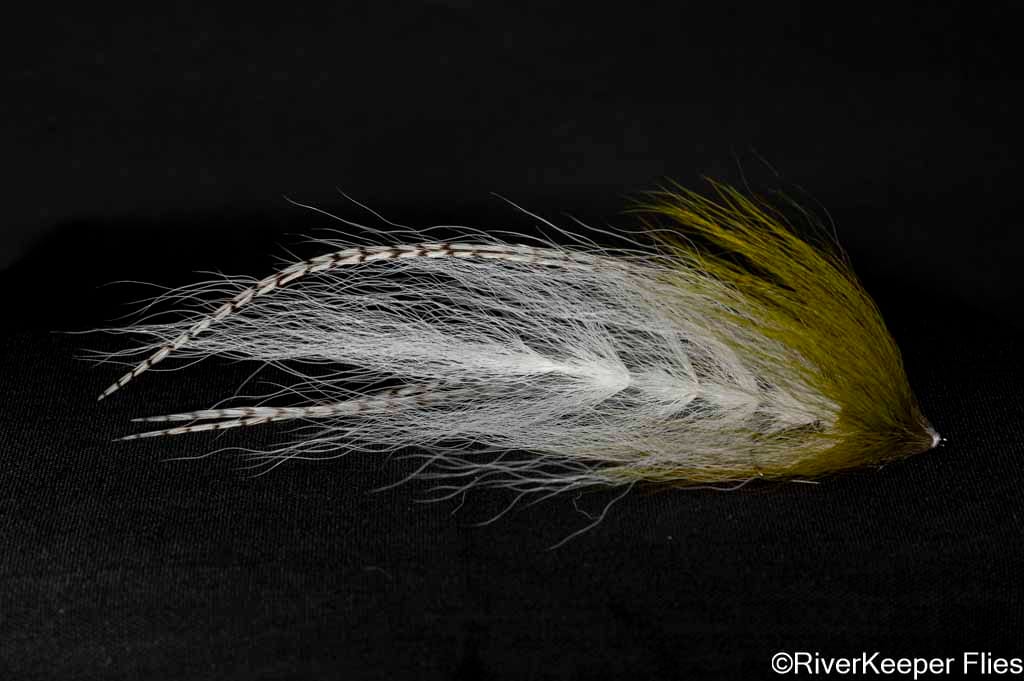
I have another tying demonstration coming up on February 27 for BT’s Fly Tying Friday at 5 pm Pacific time. If you are interested, let me know and I can send Al Beatty your name and email and you’ll receive the Zoom link. I plan to tie a BEAST Fleye, partially “in hand” using an extended piece of monofilament with bucktail tied to it and attached to a large hook. Not sure what the second fly will be.
Lastly, the NW Fly Tying & Fly Fishing Expo in Albany, OR is fast approaching on March 13 and 14. My RiverKeeper Soft Hackle Cripple is the featured show fly this year and I’ll be teach a class for the fly on Friday, March 13 from 1 – 3 pm. As I write this, there are still 8 seats remaining. Here is a LINK to the class.