Foam is home. Have you ever heard that phrase? The longer version (my version) is…foam is where fish feel safe and food is readily available. When I fish new rivers, I am always on the lookout for what I hope is some good eddy fishing. Why? That’s where I usually find very nice fish.
You might recognize some of the images in this post. I’ve shared them before, but it highlights successful fishing locations I’ve come across.

This is one from the Bitterroot. It’s a perfect example of what a classic eddy might look like.
- water that moves back upstream
- a soft edge from the main current
- deeper water close at hand for safety
- a collection point for food
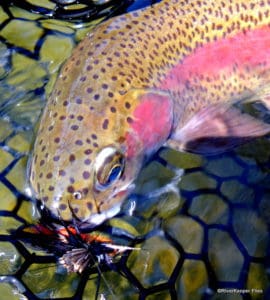
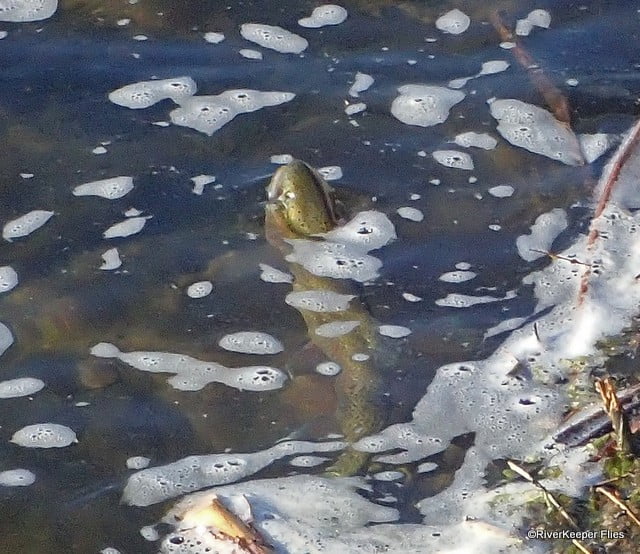
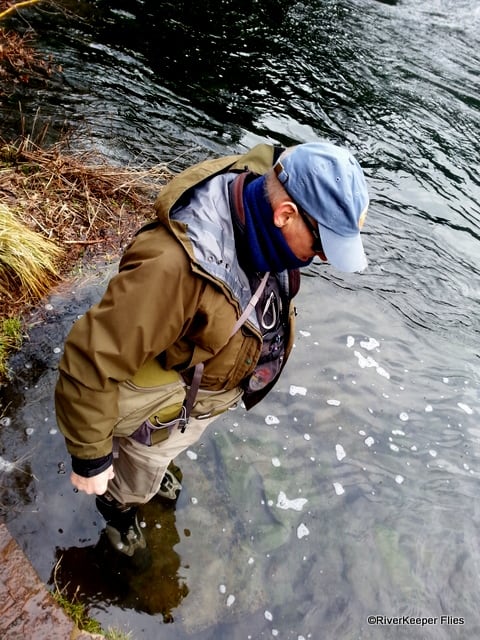
I found a nice Rainbow Trout sipping in the white foam only a rod length away.
This is what you are looking for, a head rising up through foam.
Eddies are a great collection point for insects floating down the river. I’d call them little food conveyors. If you spend time watching an eddy, pay attention to the insects along the edges. It will provide insights about what insects are available to the trout.

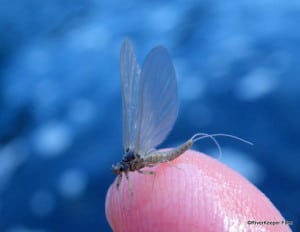
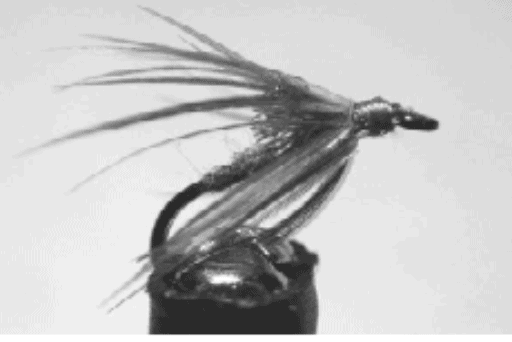
You might find only PMD’s like the image above or it might be a challenge determining what the fish are eating.

Regardless, patience is the name of the game. Fish seem to be in no hurry in the slow current of an eddy. When they do rise, you might only see a dimple. Other times, complete heads rise through the foam like an orca.
This image is from the Elk River, BC. It’s a very small eddy located along the rocks, just off the main current. We saw a large Cutthroat Trout head periodically rise from the foam.
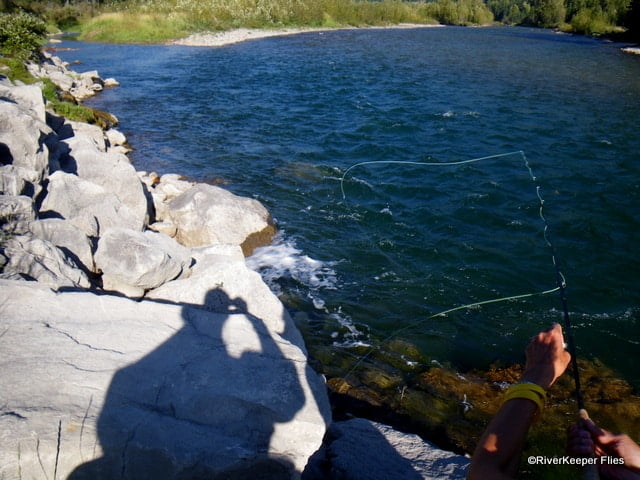
And a closer view…

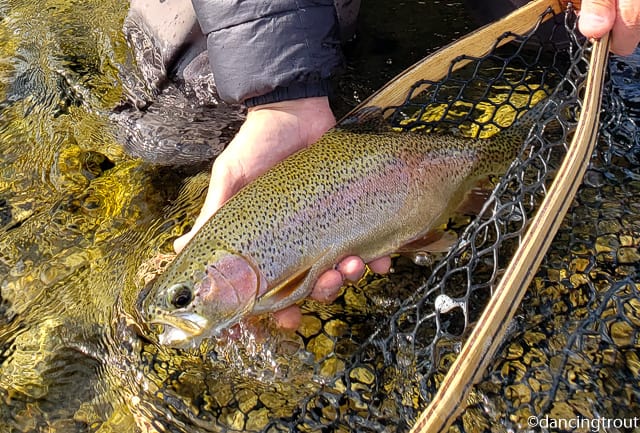
Here is the fish I found…

The next eddy is from the Deschutes River, OR. The eddy is only about 5 – 6 feet wide, but the current heads back up-river and tends to capture food for this trout who was rising.
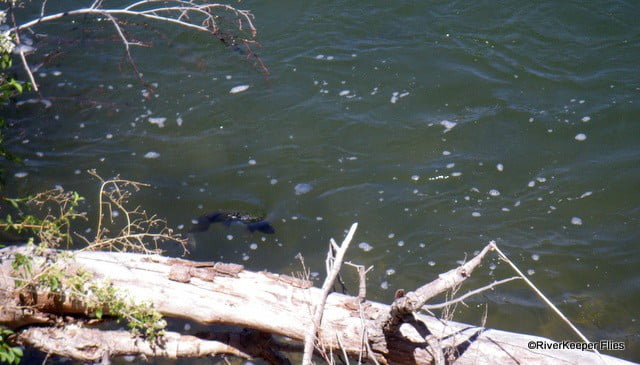
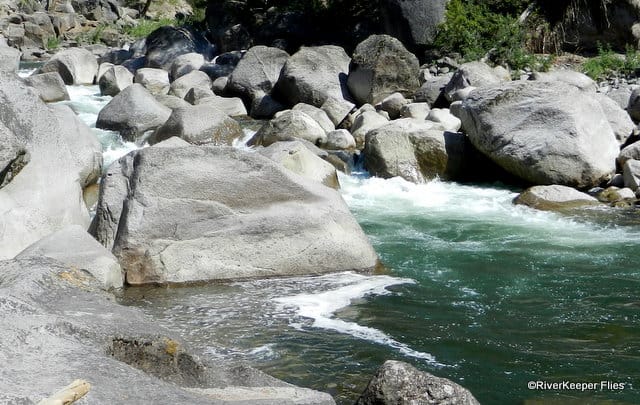
This shot is from the Lamar River, Yellowstone National Park. The fish were holding under the foam below a large boulder. The fast current was too quick for them to fight.
It may not be evident in the image below, but it’s an eddy we fished on the Beaverhead River, MT. The current is moving left to right and fish were rising on the edge of current and closer to us. A conveyor belt of food was providing a steady diet of bugs for the fish.
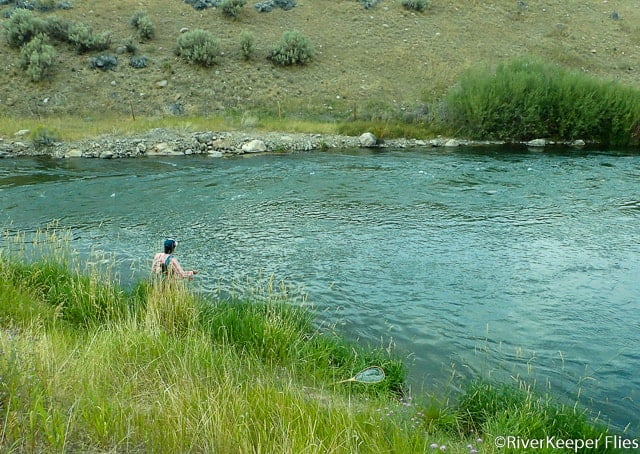
I hope this sample of eddies we’ve fished reinforces the fact you should never pass up an eddy. You may not see rising fish each time you run across one, but keep an eye out for a nose or two.
The next time you’re on your home waters, be sure to spend a little time watching the eddy.
The river will speak to you.
Enjoy…go fish!