Purple Flies

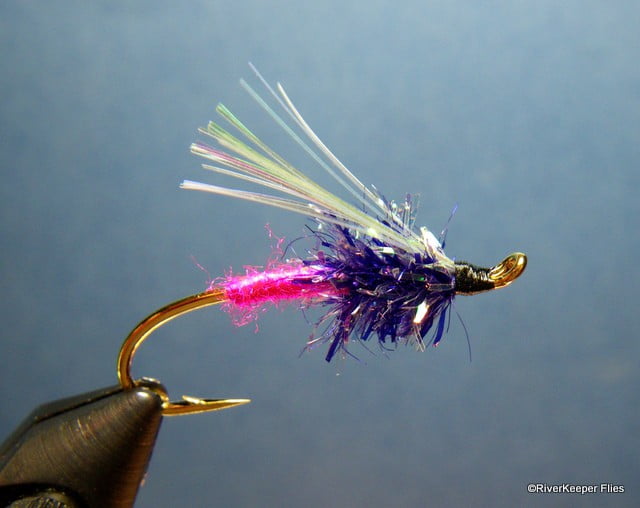
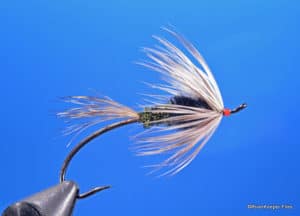
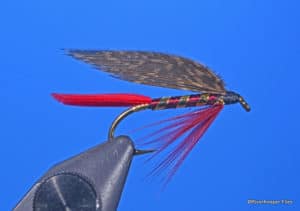
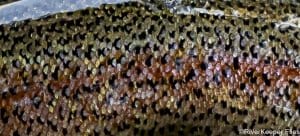
I don’t know why they work so well, but purple flies seem to catch the fish’s attention.

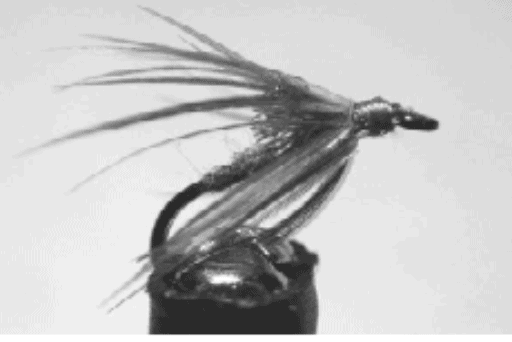
What really made me a believer is the biggest rainbow trout I’ve ever seen on the Metolius River was caught on a size 16 Purple Haze. That was a few years ago. I taped it at 26 1/2″. And no, I didn’t catch it. A friend of mine did…on 6x tippet! Had to tail it like a steelhead because it didn’t fit in my net. It was incredible…the fight and the fish! 

Haven’t seen one that size since.

PURPLE HAZE

Purple Haze | www.johnkreft.com

Does this fly look familiar? It’s just a Parachute Adams with a purple body.

My friend Jeff Perin from The Fly Fisher’s Place in Sisters, Oregon swears by a Purple Comparadun, but I like the Sparkle Duns better, although they both catch fish.

Purple Sparkle Dun
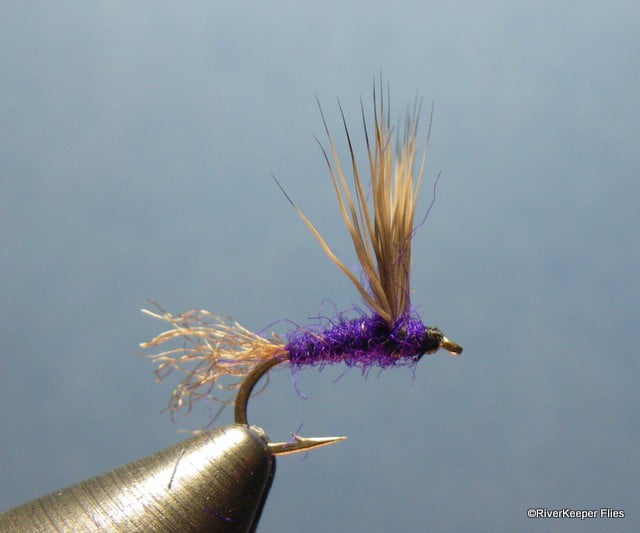
Purple Sparkle Dun | www.johnkreft.com

And I know the Purple Chubby Chernobyl works during the Salmonfly and Golden Stonefly hatch. I’ve used this fly and caught some nice fish.
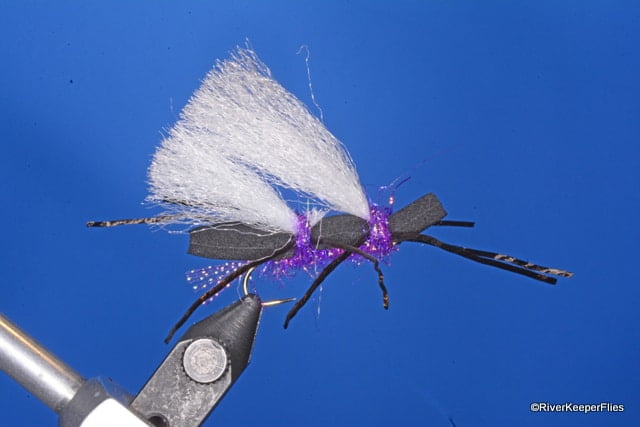
Chubby Chernobyl - Purple | www.johnkreft.com

And how about steelhead flies?

Well, the color purple is incorporated on many popular and successful steelhead fly patterns. Here are a few of my favorites.
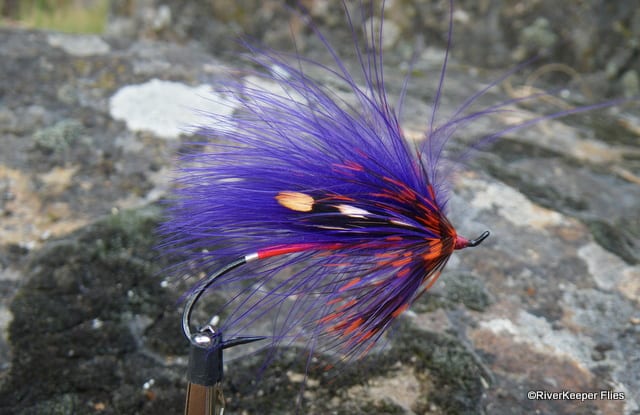
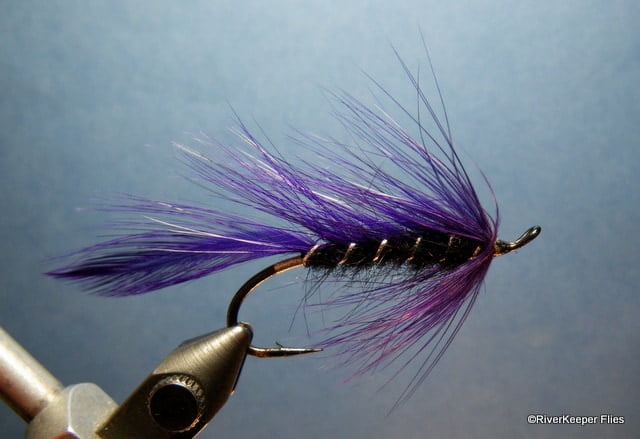
SHEWEY’S SPAWNING PURPLE

Sheweys Spawning Purple | www.johnkreft.com

MAXWELLS PURPLE MATUKA

Maxwells Purple Matuka | www.johnkreft.com

PURPLE PERIL

Purple Peril | www.johnkreft.com

Guide Fly

Guides Special | www.johnkreft.com

Jeff Perin was kind enough to show me this Guide Fly.

MOJO MAGIC

Mojo Magic | www.johnkreft.com

The Mojo Magic was taught to me by Peter Bowers from The Patient Angler fly shop in Bend, Oregon. It was a fly he taught during our fly club’s winter fly tying sessions.

These flies are memorable to me. I remember fish I’ve caught with them.

Lastly, here is a Bull Trout I caught with a few weeks ago.

Metolius Bull Trout
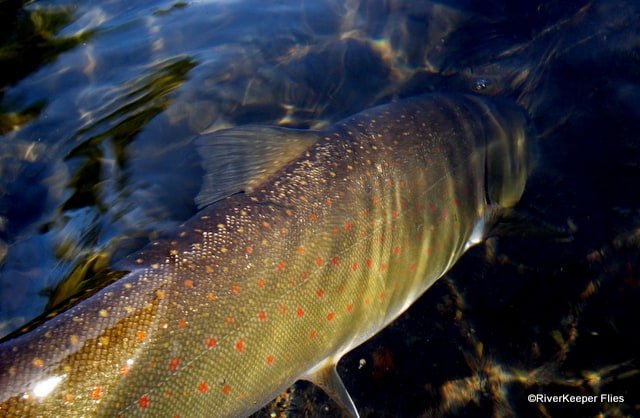
Metolius Bull Trout | www.johnkreft.com

It took a String Leech.

String leech
Purple Leech | www.johnkreft.com

So why do purple flies work? 

I have no idea.

It was enjoyable compiling flies for this post. It brought back some good memories.

Better go make some more…
Similar Posts

  • Olive Bloa

    This week’s Throw Back Thursday Fly is the Olive Bloa. I found the fly pattern in Edmunds and Lee Brook and River Trouting (1916) on page 20. Click on the link for a FREE download. It’s one of my favorite classic books for the history of fly tying and fly fishing the old English flies….

  • Time at the Vise

    I’ve been spending a lot of time at the vise trying to complete fly orders and tying flies for our upcoming trip to Argentina. I recently purchased some hooks to tie customer flies because I was out of them. I received them in the mail a couple days ago and smiled at the hook size…

  • October Fly Fishing

    October fly fishing is a special time of year. It’s the last hurrah for both fly fishers AND fish. I’ve said before that fishing tapers off dramatically around November 1, so that means I have less than one month to get my fix for awhile. So I need to make sure I have the right…

  • Ugly Rudamus

    This week’s Throw Back Thursday Fly is the Ugly Rudamus. The Ugly Rudamus was developed in 1984 by John Foust of Hamilton, MT as an imitation for caddis and stoneflies. Born in Stevensville and raised in Darby in the 1960s, Foust began tying flies at the age of 13 and sold them at Bob Ward’s…

  • My First Flies

    Do you remember the first flies you used when you began fly fishing? I remember some of my first flies. Oh my, that was years ago! Let’s see…there were the Woolly Worm, Zug Bug, and Hare’s Ear. Those are names I remember. How about the flies in this picture? That must be my early attempt at an…

  • More Euro Nymphs

    I’ve been tying a lot of flies lately. At out last Central Oregon Flyfisher’s Winter Fly Tying class, owner Jeff Perin of The Fly Fisher’s Place in Sisters, OR taught three nymphs. His class inspired me to tie more Euro nymphs. So I decided to tie up a few of Jeff’s fly patterns for my…

One Comment

  1. The reason why Purple ( violet) work on trouts and others fishing species is the range of visibility under the water. As you go deep, colours vanishes, starting with the brightest like red, white, yellow, orange, brown, blue and finally violet ( 400 nm wave range) with the high energy. In simple, blue, purple and violet colours are the last visible under the water.

Leave a Reply

Your email address will not be published. Required fields are marked *