We’re home from our fly fishing road trip. Insect hatches on several rivers we fished on our trip were diminishing and if you are a dry fly fisher like me, matching the hatch ends and attractor fly patterns are what I use, especially hoppers, beetles, and ants. It’s August and time for terrestrial flies.
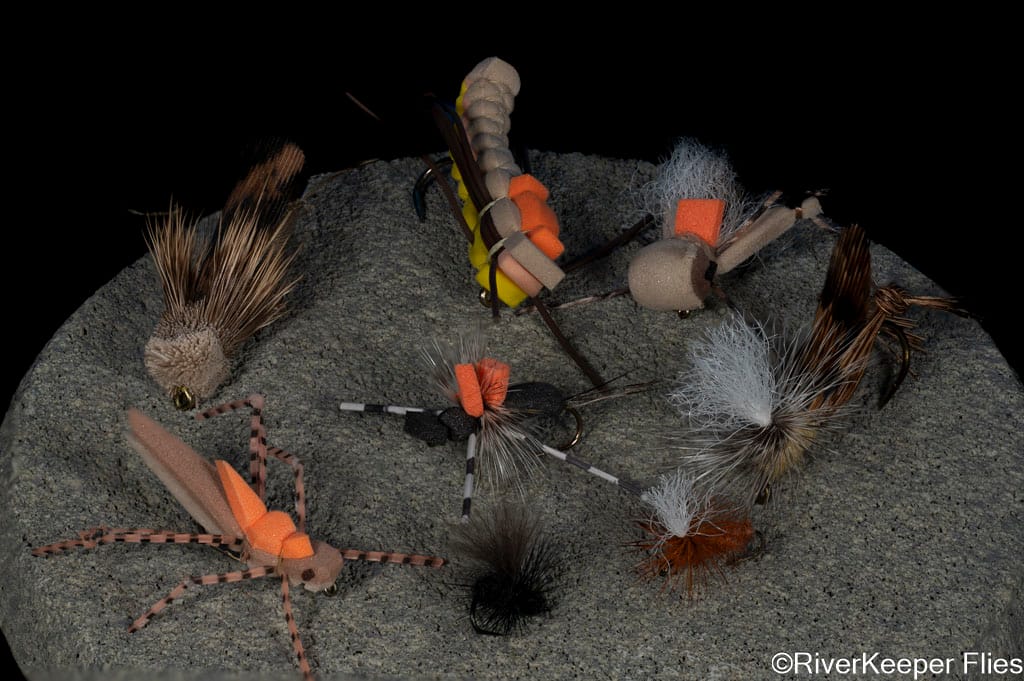
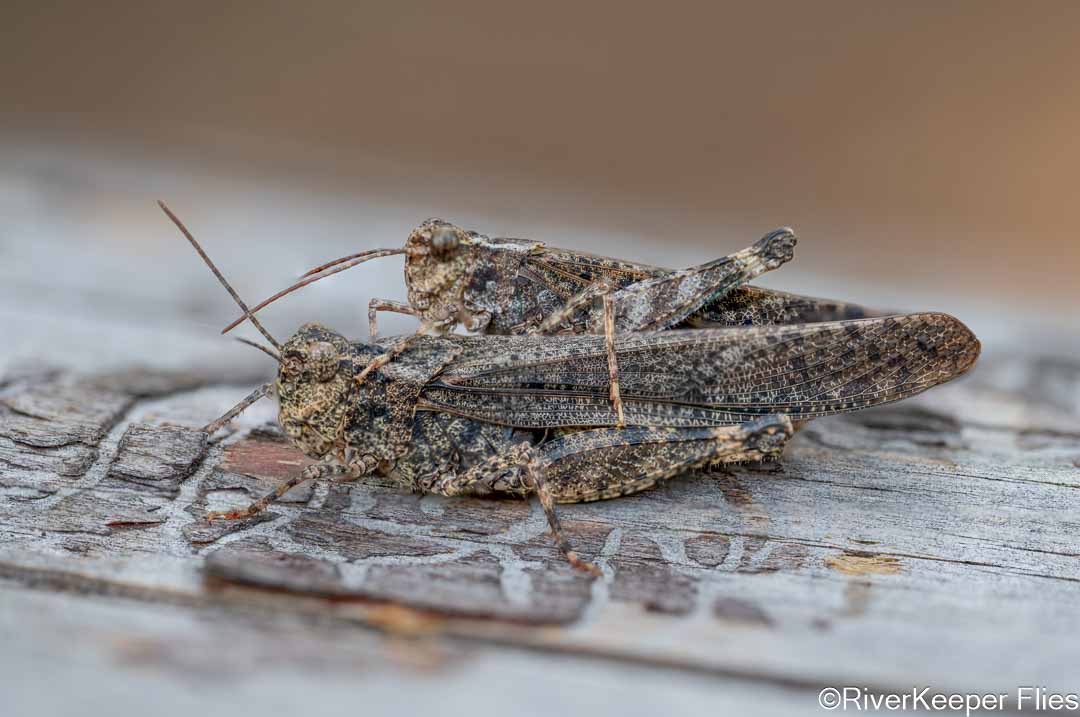
What is the first terrestrial that comes to mind at this time of year…grasshoppers!
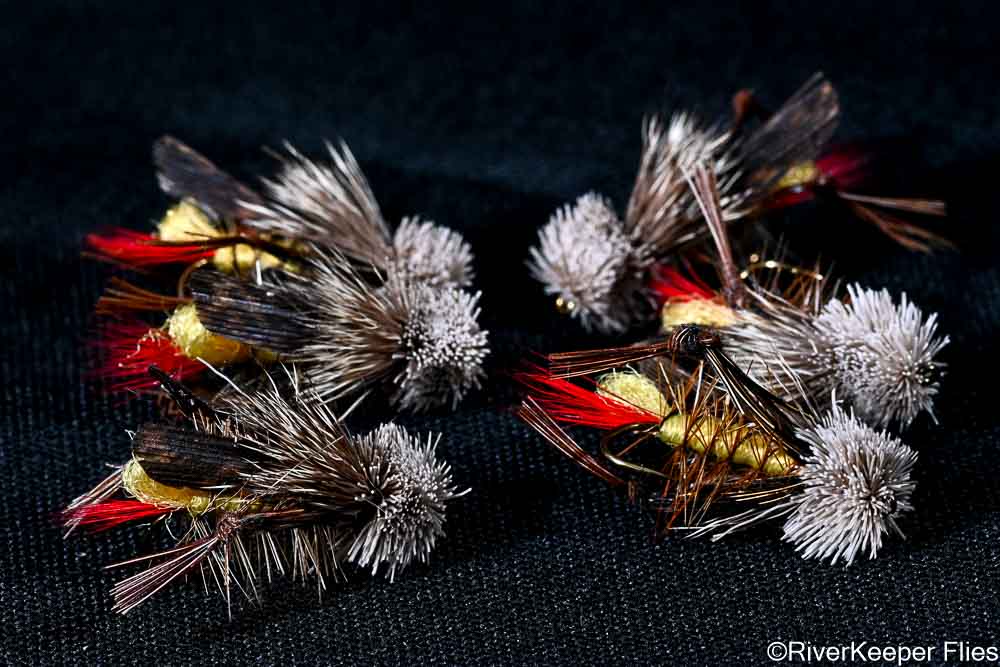
I’ll begin with a couple old school fly patterns…Schroeder’s Parachute Hopper and Dave’s Hoppers.
 Schroeder’s Hopper
 Dave’s Hopper

But foam fly patterns are more popular. My favorite is the Morrish Hopper.
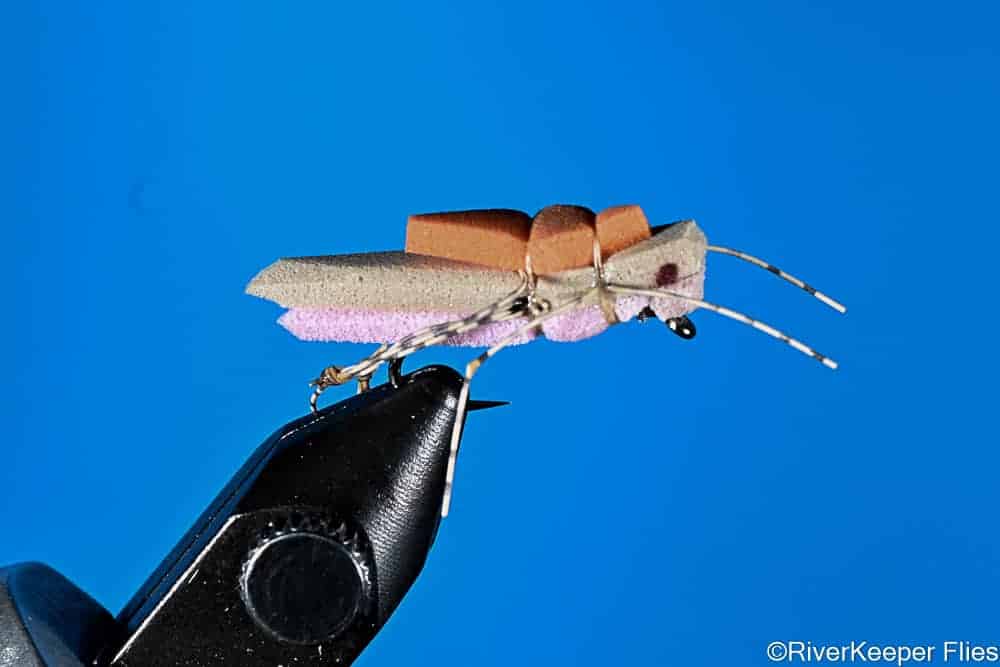
I’ve tied a few of these, but cutting all the foam is time consuming and I haven’t purchased a foam body cutter set which would make the task easier. Each size requires a different set. I find purchasing a handful from a fly shop is the way to go.
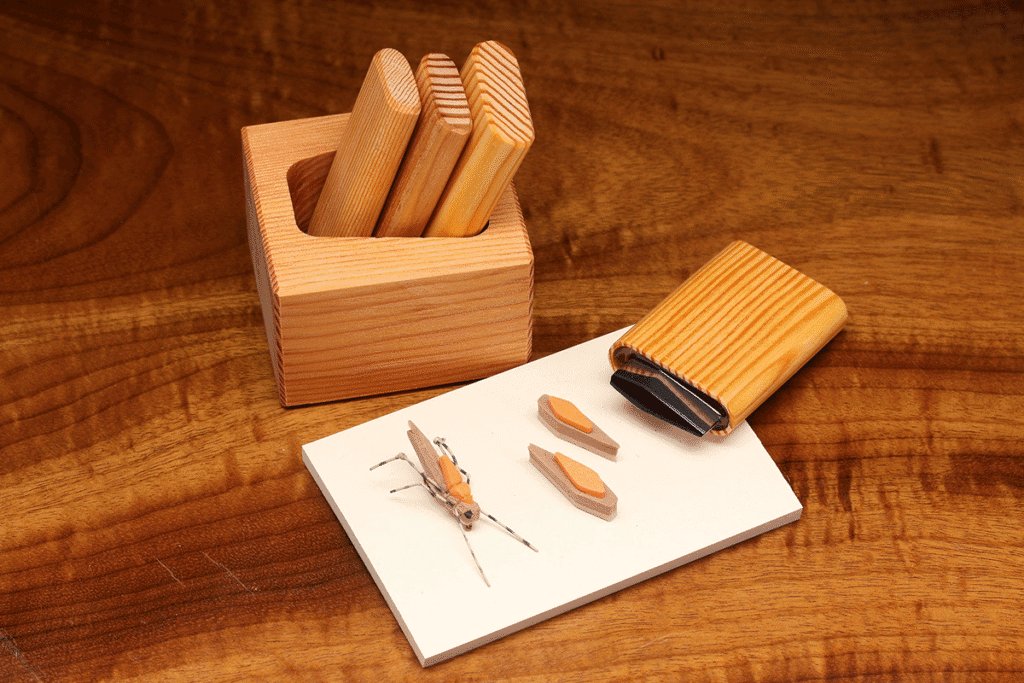
A few years ago, a customer asked me to tie up Thunder Thigh hoppers for him. I’d never heard of them, but did a little research and ended up tying them in several colors. These too take a little time to tie.
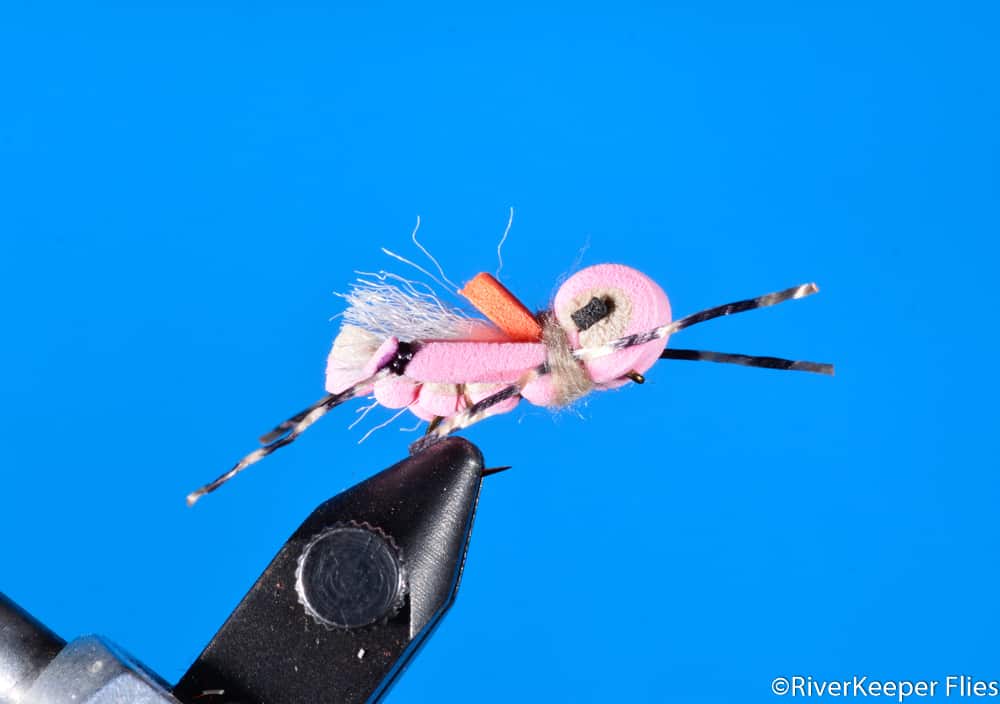

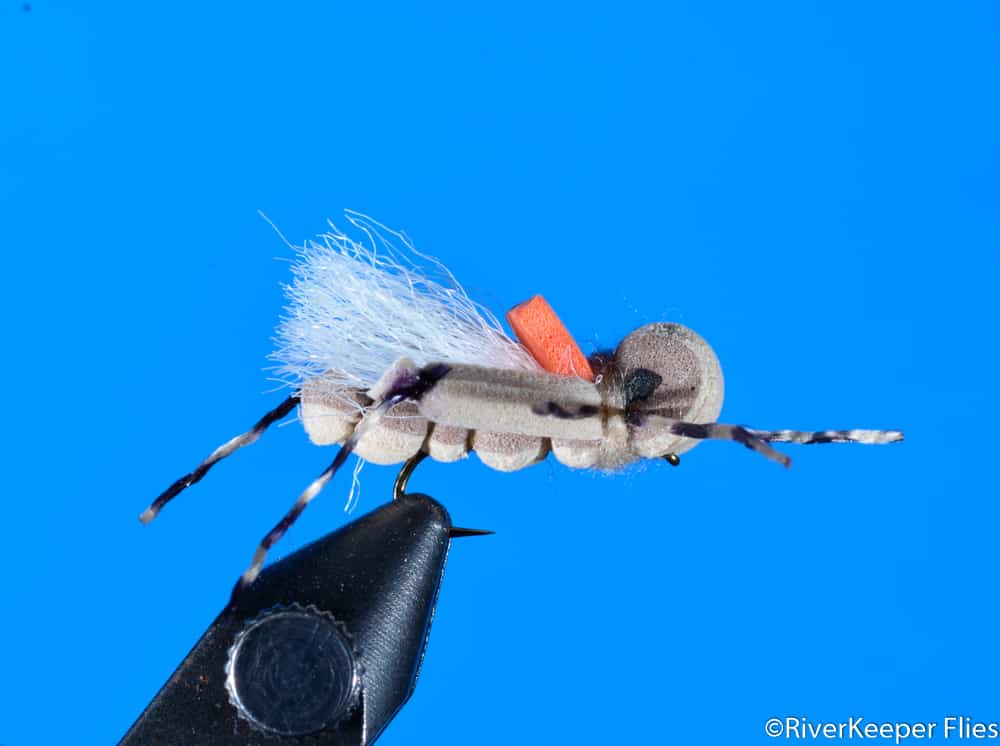
The Club Sandwich is another good choice for a foam hopper fly pattern.
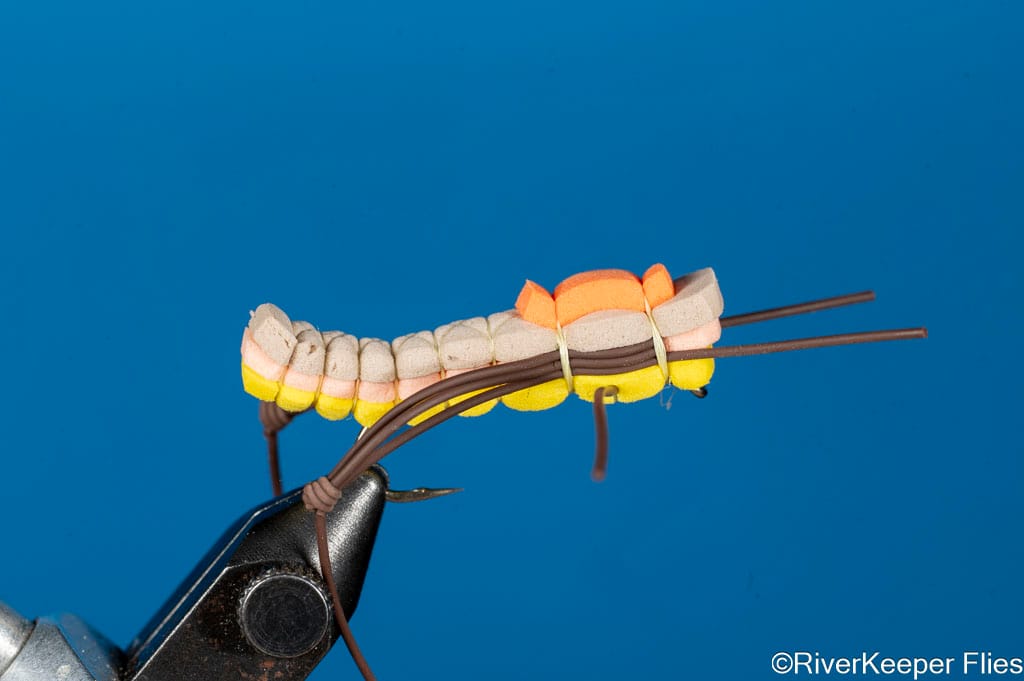
Next for me are beetles.
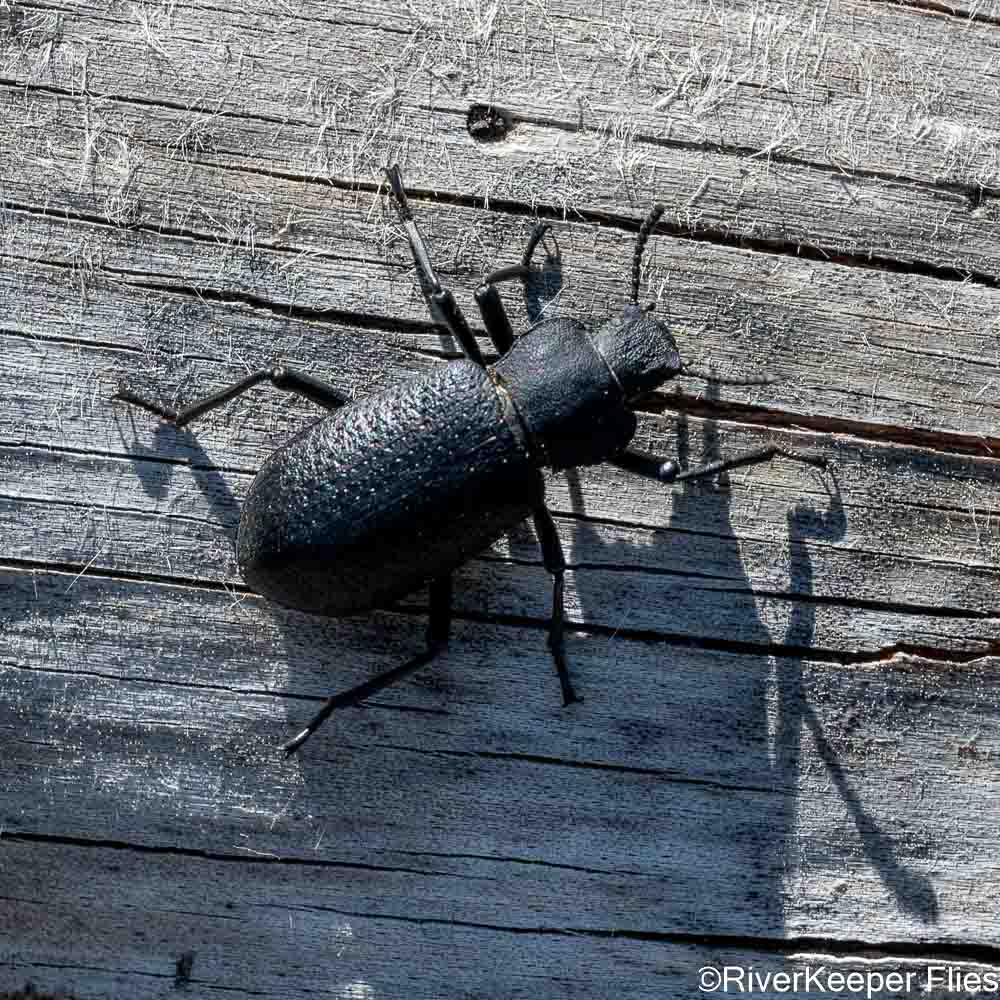
Beetles can be found and available to trout year round. Try blind casting to a likely fish-holding spot and see if one eats it.
My go-to beetle fly pattern is a variant of the Hippie Stomper…Beetle Bailey.

But a Simple Beetle might be all you need.
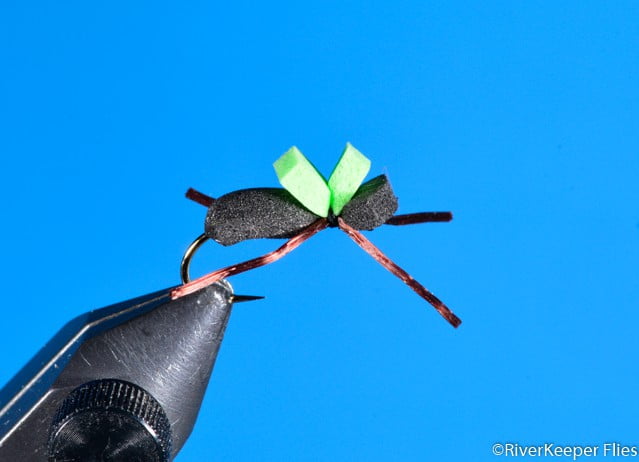
I can’t forget Fat Alberts.

And last, but not least, be sure to have a few ant patterns in your terrestrial fly box. Black and cinnamon are two colors I carry.
Below are two colors of Arrick’s Parachute Ant. I like this fly pattern because of the white post, making it visible.


I like to fish Harrop’s CDC Ant in slower spring creek waters.

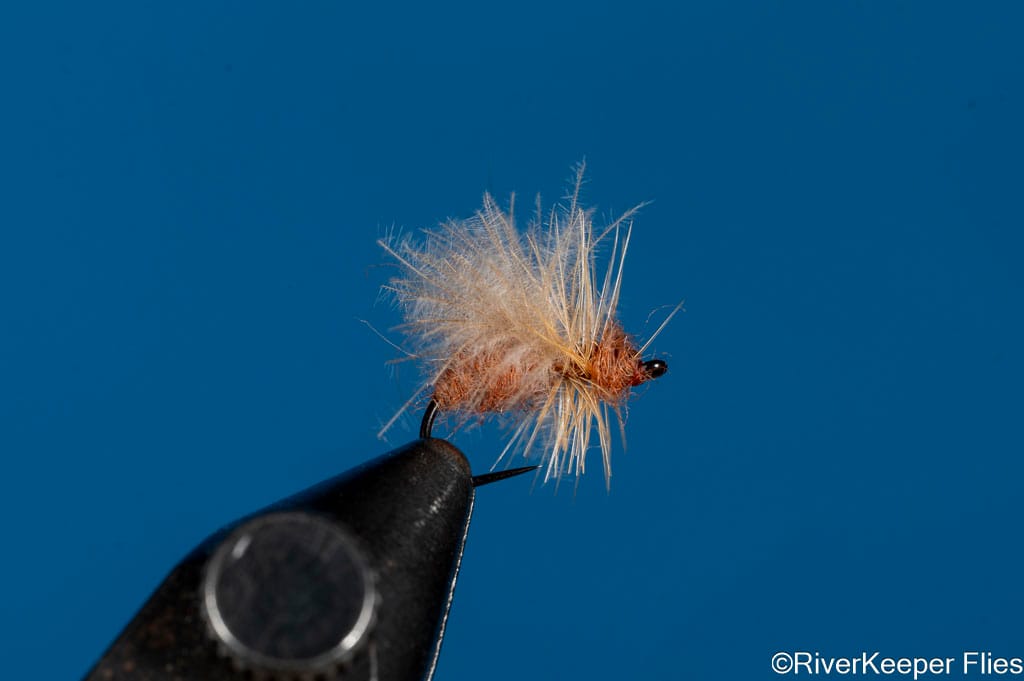
Galloup’s Ant Acid is a good choice for fast water as the deer hair helps the fly float.
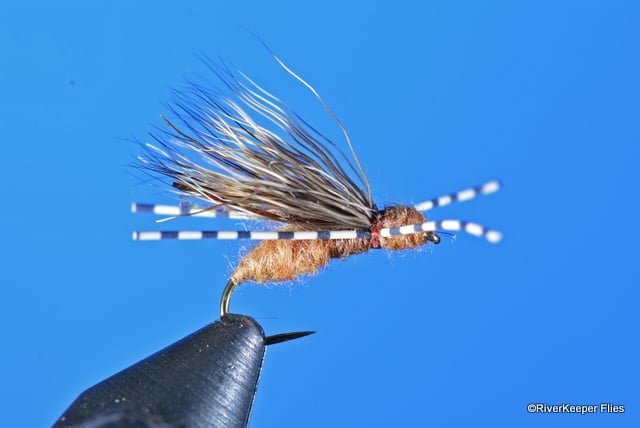
Some rivers like my home waters don’t really have many grasshoppers available for the fish to key on. Sure, I’ve seen a few around, but don’t ever remember seeing a fish eat one.
Be sure to check out my Terrestrial Fly Patterns for more options.
What are your favorite terrestrial flies?
Enjoy…go fish!