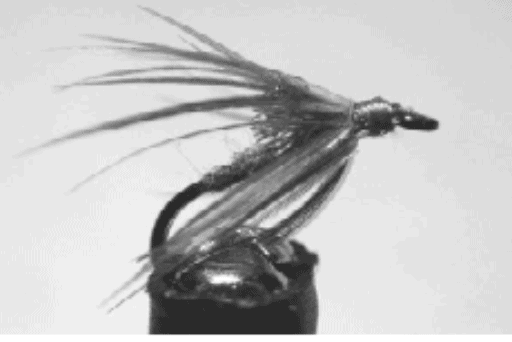
I’ve been tying a lot of parachute flies lately, filling our Patagonia fly box with Parachute Adams and Purple Haze. I sat down and tied 5 dozen size 14 flies and 4 dozen size 16 flies. I thought I’d share how to tie consistent parachute flies and ended up creating a YouTube video.

One of the tips I’ll share here is to create what I call “blanks”. I don’t recall if I picked up the name somewhere or came up with it myself, so apologies to whoever did.
The image below shows the “blanks” I tied. You’ll see a post and tail…that’s it. I go back later and tie in the hackle on the post, dub the fly, and finally wrap the hackle to complete the process. I found tying a fly in this manner is quicker and I’m able to consistently tie all the flies so one looks like the other. Will a fish care? Probably not, but it matters to me and that’s all that counts!

Here is a closer view and you can tell how similar the height of the post is in each fly, along with five moose fibers for a tail.

Now go back to the first image of all the Purple Haze flies. It may be difficult to tell, but all of them are very consistent.
I encourage you to view the YouTube video on my RiverKeeper Flies channel for more information how I achieve this.
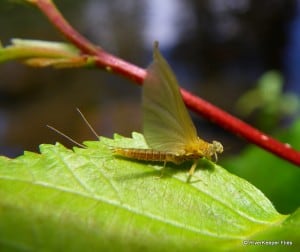
While I was tying those parachute flies, I decided to tie some size 16 flies to imitate the mayflies we saw on the Metolius. Whether they were PMDs or Cinygmula, the size and color were close enough that fish rose to the flies and ate them.

Note the tail. It’s the same Zelon material I use when tying Sparkle Duns. I really believe fish eat them as either cripples or emergers because of difficulties getting free from the nymphal shuck.
Here is an Improved Sparkle Dun PMD. Notice the similarities. To create a slimmer looking parachute fly, I could have used thread wraps like the fly below. It’s a personal choice how you’d like your fly to look.

I thought a parachute-style fly might float better in a couple of rough area runs we fish…and fish did rise to them.

So check out the YouTube video. I hope it helps you create better parachute-style flies.
Enjoy…go fish!



Great tip especially for production tying. Keep the tip coming. Thanks John
John,
Many thanks for this. There were way more useful tips in this video than I expected.
Roger Stover
McKenzie Flyfishers