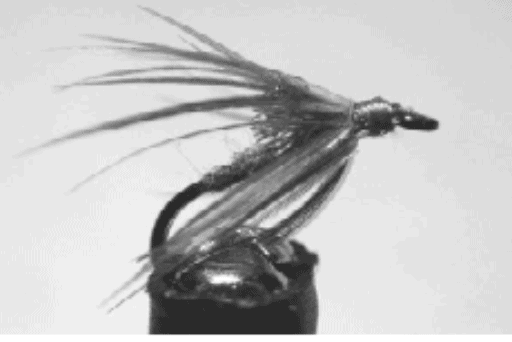
I’ve been spending a lot of time at the vise trying to complete fly orders and tying flies for our upcoming trip to Argentina. I recently purchased some hooks to tie customer flies because I was out of them. I received them in the mail a couple days ago and smiled at the hook size difference. It really highlights the variety of flies I tie for customers.
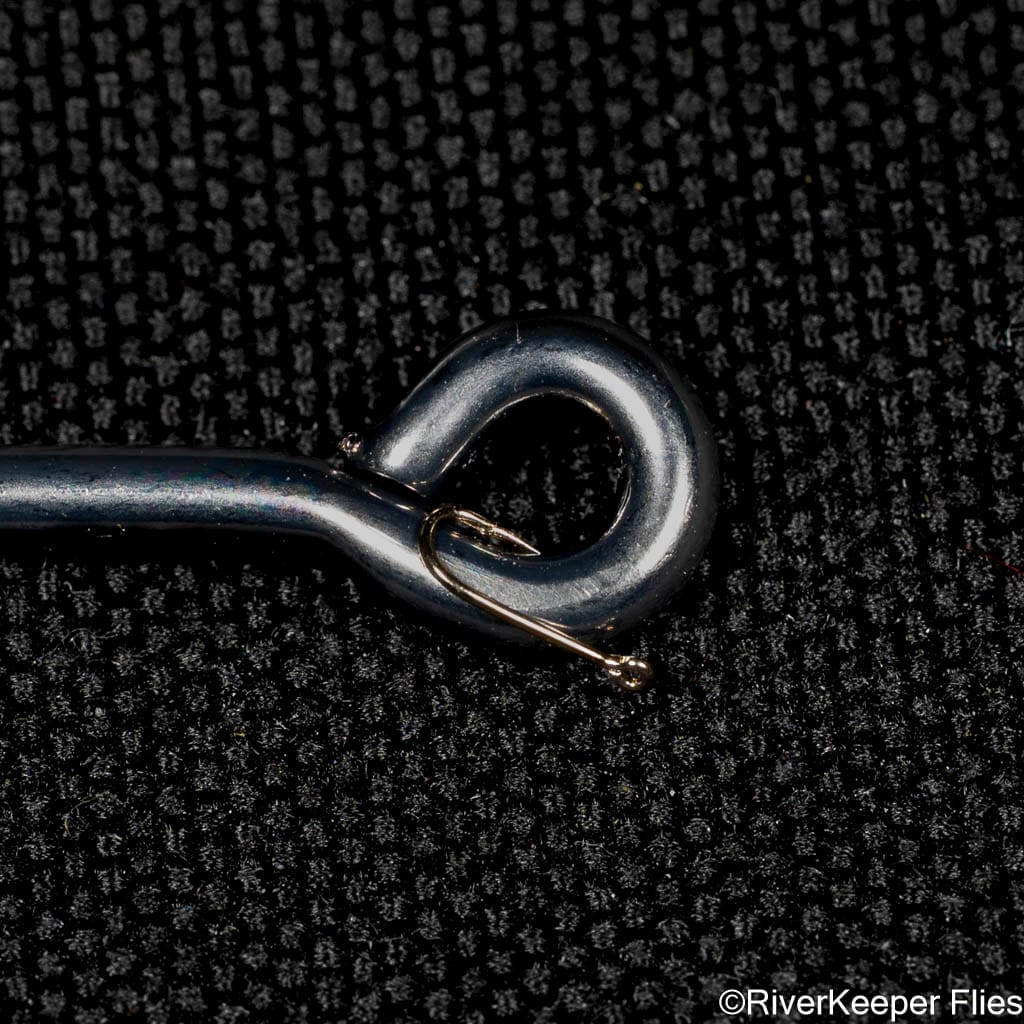
The image above shows a size 24 Daiichi 1110 hook in the eye of a size 8/0 Ahrex SA270 hook. I’ll pull back a bit so you can see the huge difference.
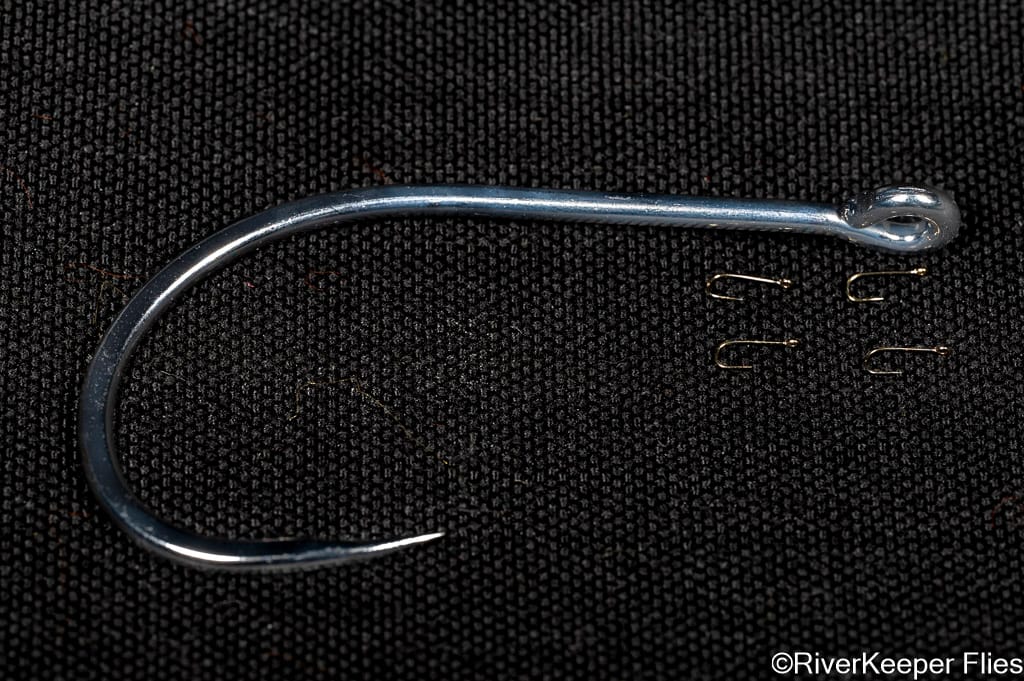
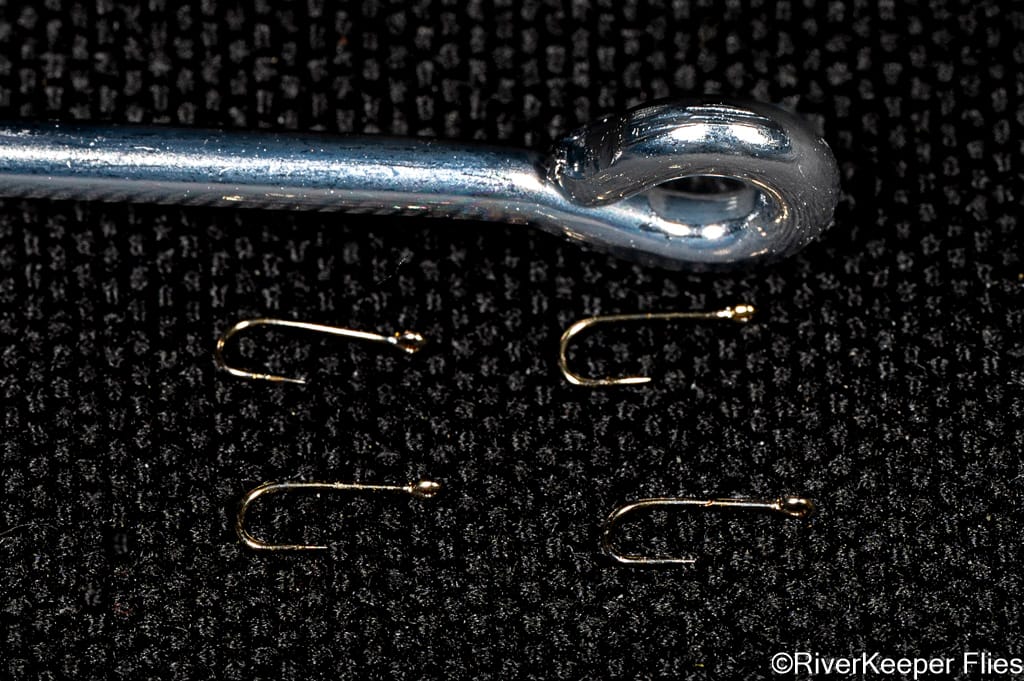
And a cropped version showing the four size 24 hooks.
What do I tie with the smaller hooks? Here are couple midge fly examples.

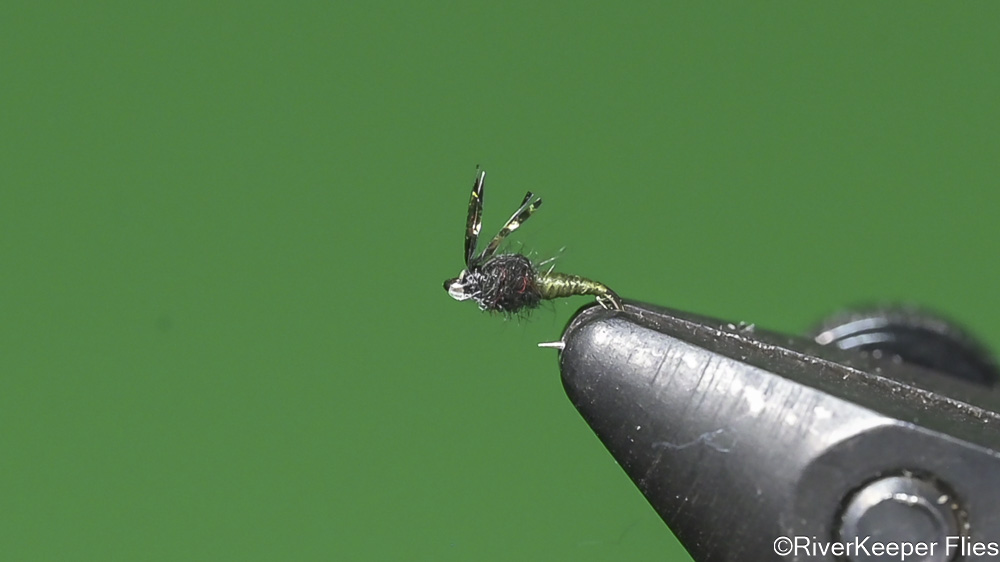
The GS Midge is actually tied on a size 26 hook, but I’m struggling trying to find any and decided to tie them on size 24 hooks. It’s a fly I tied a couple years ago and decided to record a video for my RiverKeeper Flies YouTube channel.
Those are one extreme and on the other end of the spectrum are BEAST Fleyes I tie on the 8/0 hooks.

The image below is one of the Marlin my customer caught with one of my 8/0 flies. Now you know why the hook needed to be so large.

Another customer was intrigued by this image I sent him and asked me to tie one each of the bottom dark blue flies, which is why I needed to order more hooks.

So I pulled out two of the 8/0 hooks and began tying them “in hand”. I mentioned this technique in the Seven and Eight Inch Streamers post and one of my readers asked if I tied the entire fly “in hand”. I thought for a moment and in fact, no. I only tied the mono extension “in hand”. So I decided to tie both of the new flies without my vise. Here is the result.


Now I can say I’ve tied these flies “in hand”!
While I fulfilled my goal to tie the entire fly without a vise, it’s much easier for me to use the vise when attaching the mono extension to the hook. I guess it’s difficult to change over 50 years of fly tying! I might demonstrate the “in hand” technique at a future fly tying demo, but time will tell.
One last note…I recently added The Way of a Trout With a Fly by G. E. M. Skues which was published in 1921 to the Links to Free Old Fly Fishing & Fly Tying Books page. This page ebbs and flows with popularity as fly fishers stumble upon it and I periodically add another older book to the page when I find one. The Skues book is the latest.
OK…another last note…I purchased Pheasant Tail Simplicity by Yvon Chouinard, Craig Mathews, and Mauro Mazzo a couple of weeks ago because a customer asked me to tie a Pheasant Tail Flymph. I found a YouTube video of Yvon tying the fly, but I decided to purchase the book and check out the other flies the authors recommend and how to fish them. I’m glad I did! It’s a wonderful book.
Pick up a copy from your local fly shop of click the link above. I think you’ll enjoy it.
Enjoy…go fish!
(John Kreft is a participant in the Amazon Services LLC Associates Program, an affiliate advertising program designed to provide a means for sites to earn advertising fees by advertising and linking to amazon.com.)



Amazing size diff! A couple of years ago, one of your posts spurred me to tying some size 24 midges-damn you, I think I need to do some more now! 😎
That Peg’s Midge looks kinda neat. Like the offspring of a Griffith’s Gnat.