I started writing today’s post on May 1. Can you believe it’s May already? Perhaps it’s one of your favorite months as Salmonflies and Golden Stones are right around the corner. Are you ready for one of the best hatches of the year?
Before I get too far, I’d like to quickly bring up a subject I mentioned at the end of last week’s post.
My wife is headed to lead the CFR Oregon South retreat at the Big K Ranch in Souther Oregon this weekend.
The subject of last week’s post was the CFR Oregon North retreat. I hope you read it and witnessed the joy these breast cancer survivors experienced during their free weekend.
If this Casting for Recovery post resonates with you and you’d like to help fund a future retreat, I’ve started a Gofundme page with a goal of $15,000 which would fund most of one Oregon South retreat where my wife is the Program Coordinator and Retreat Leader. Just click the button below and you’ll be taken to the proper page. (ENDED)
It got off to a dismal start, so I decided to bring it up again. Even a small $10 donation will help. If 100 of my readers each donated $10 to the cause, it would be $1,000.
There…I’m done…back to the subject at hand…Salmonflies and Golden Stones.
I’ll start with the first bugs to hatch, Salmonflies. They may begin to show themselves in the next couple of weeks.
The images below show the mature nymph and a newly hatched adult.

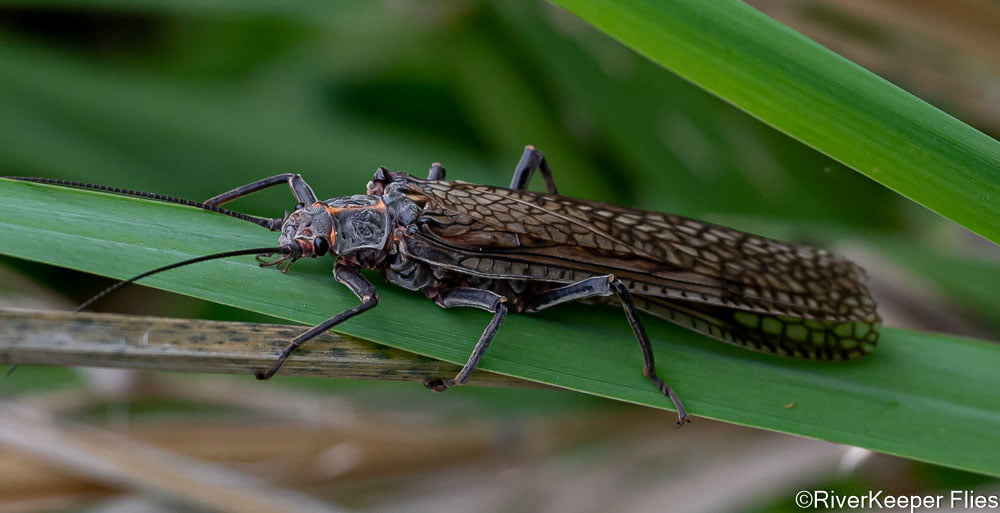
Salmonflies are the biggest bugs of the year in my area and a mouthful for the trout. The nymphs should be moving around and finding their way close to shore. They crawl out on grasses, logs, and rocks to hatch. This is what is looks like as the nymph breaks open the shuck and begins to climb out.


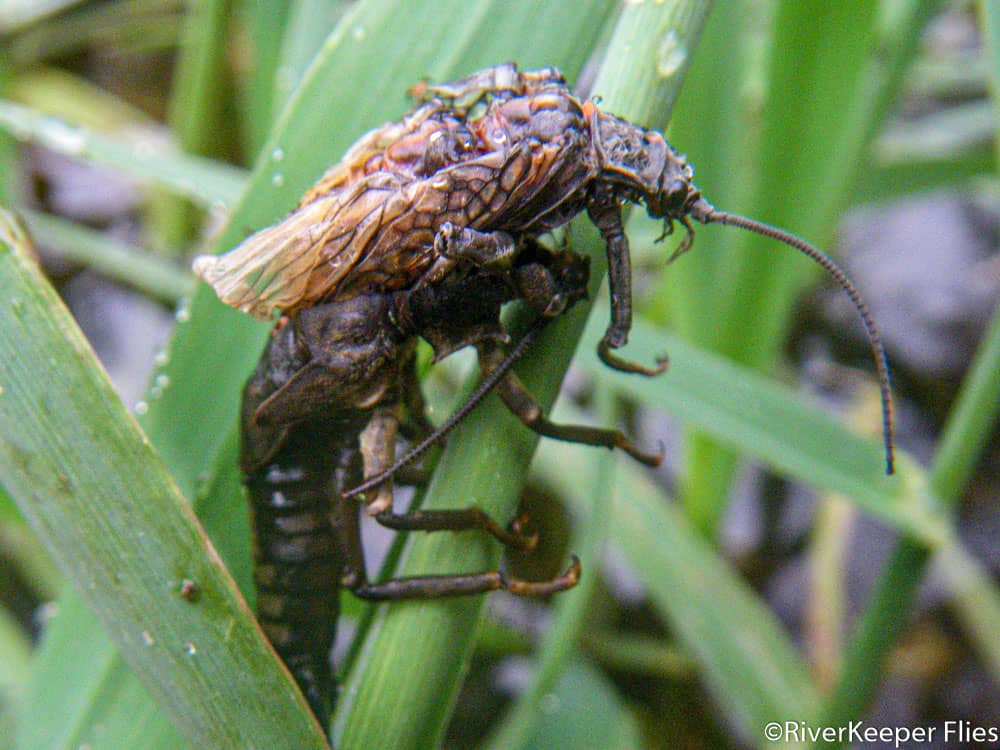

And the mating process begins a short time later.
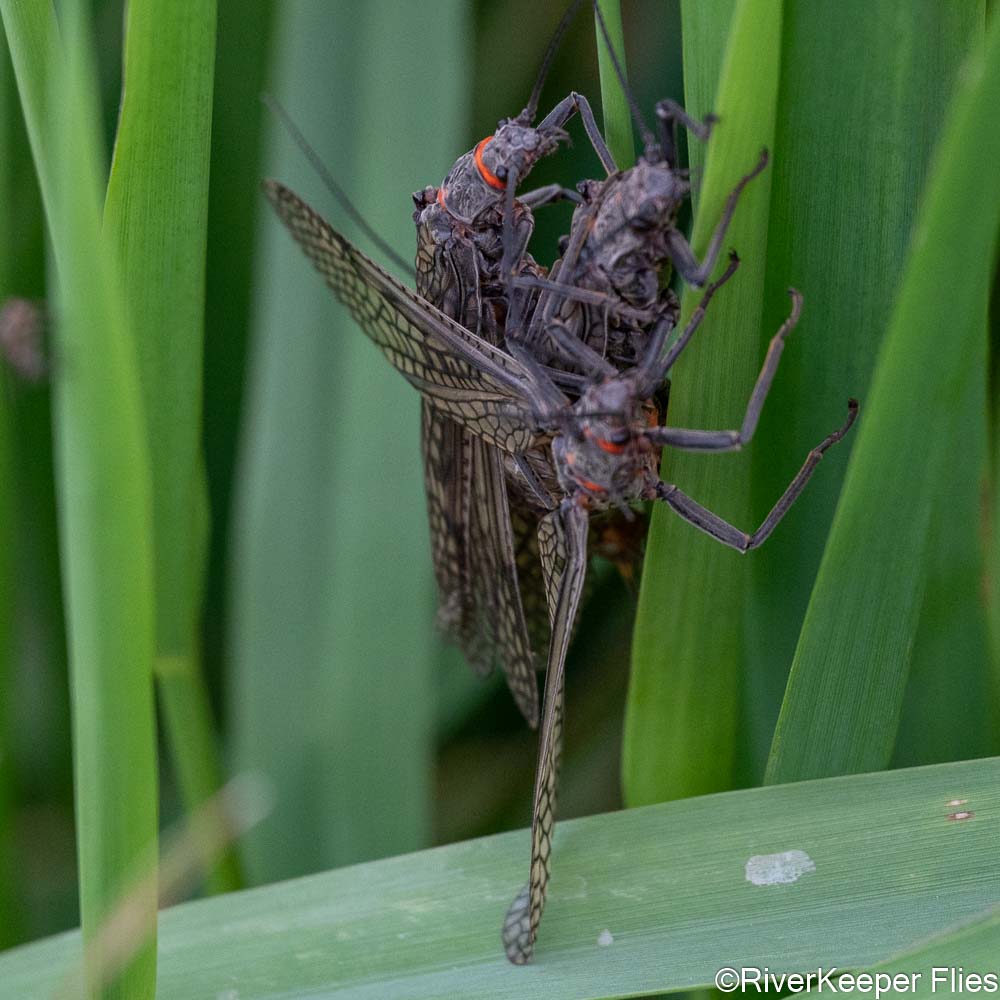
What flies do you use to imitate Salmonflies? Here are some of my favorites.
I’ll start with two nymphs…the RiverKeeper Stonefly Nymph is my variation of the popular Kaufmann’s Stonefly Nymph.
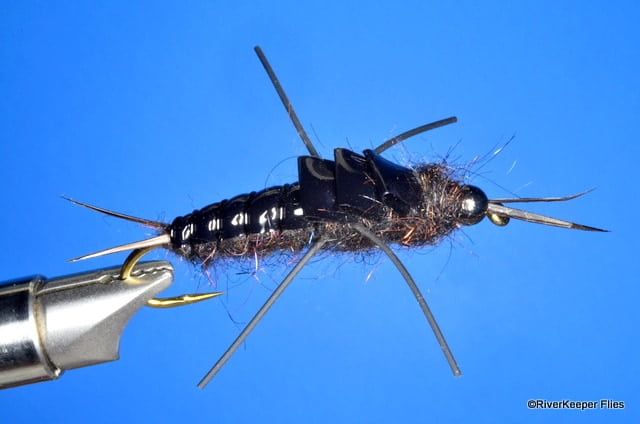
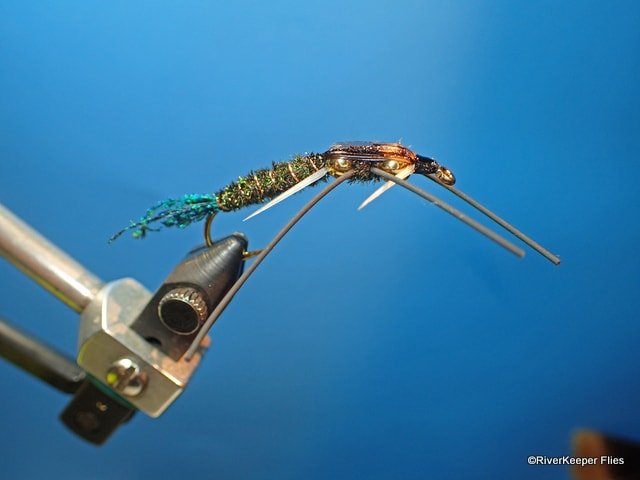
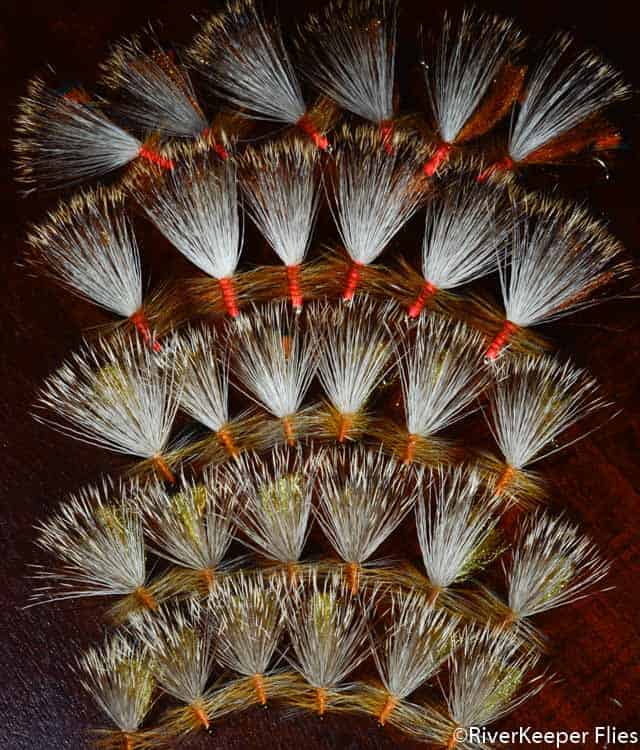
And now the dry flies you’ll find in my fly box:
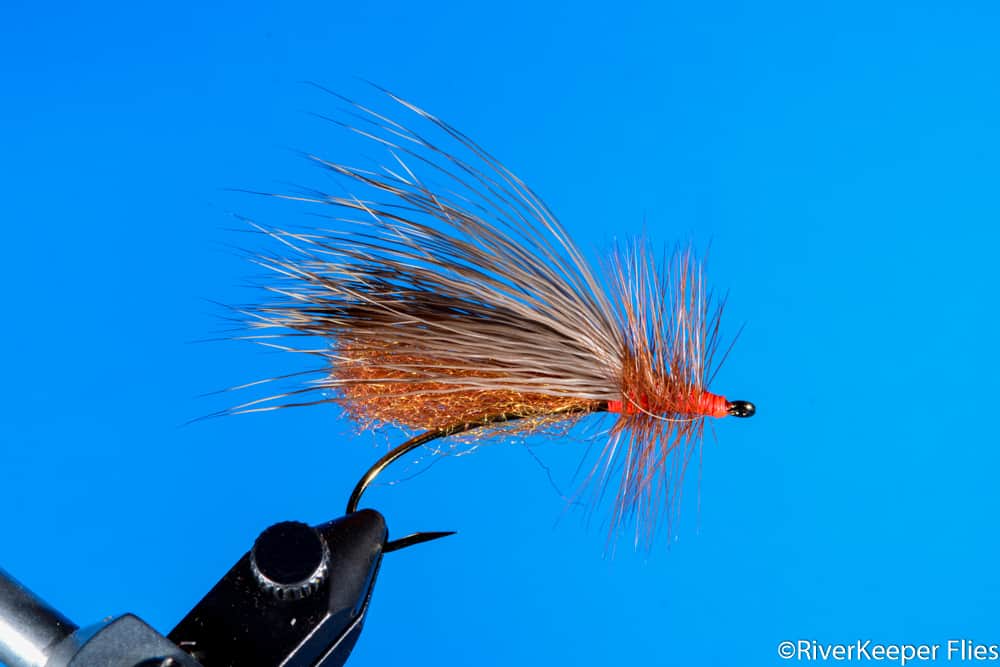
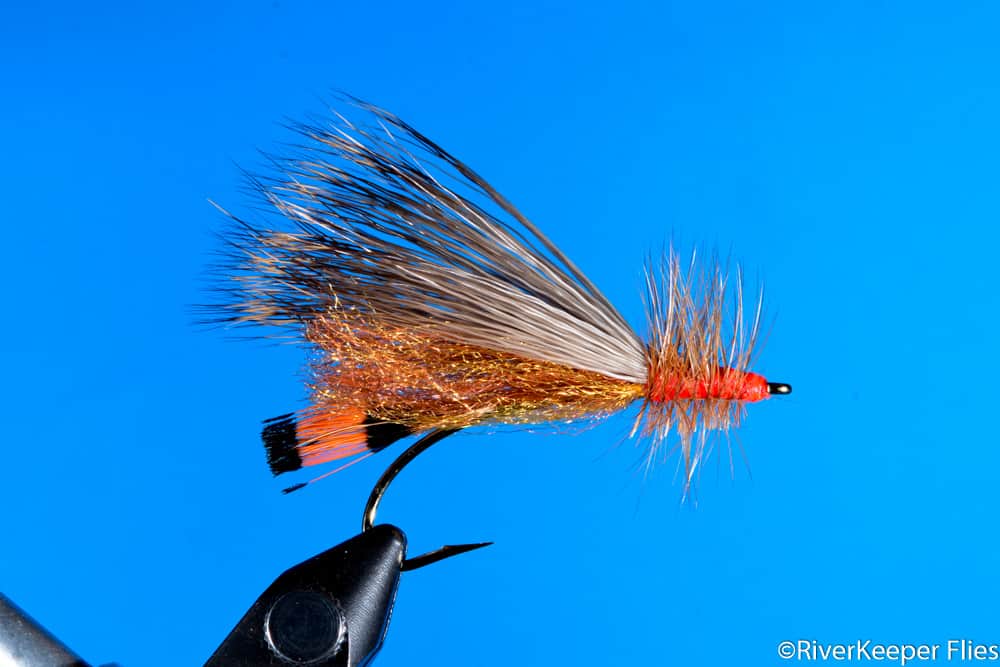
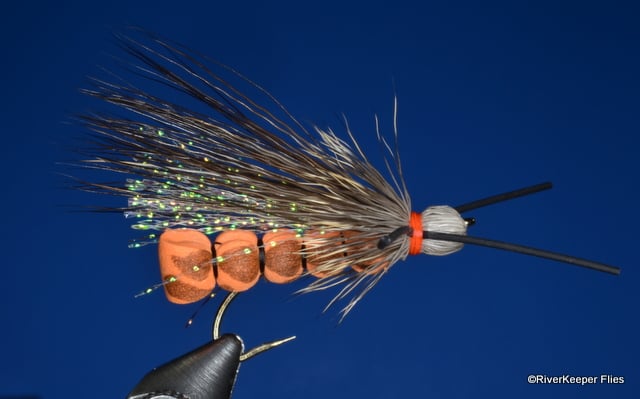
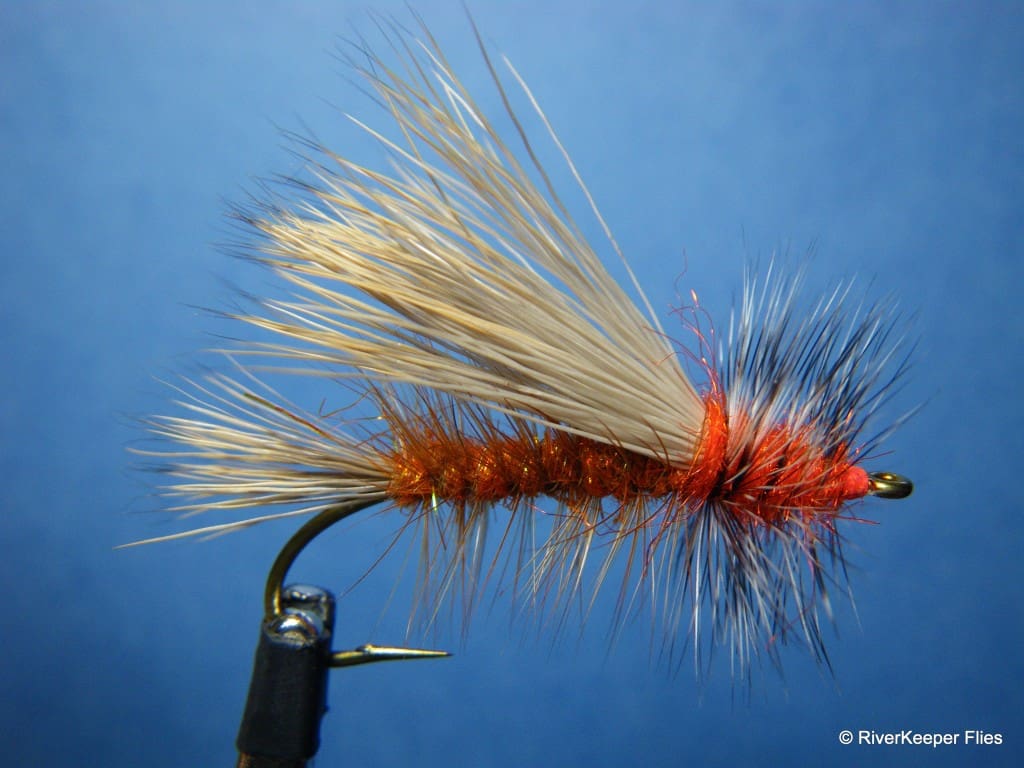
Of course, you could use one of the old standbys, Stimulators.

Personally, I think the Golden Stone hatch bring out more fish because it lasts longer. These stoneflies are a little smaller then the size 2 – 6 Salmonflies. The Goldens range in size from 6 – 10.
As before, I’ll start with the nymph.

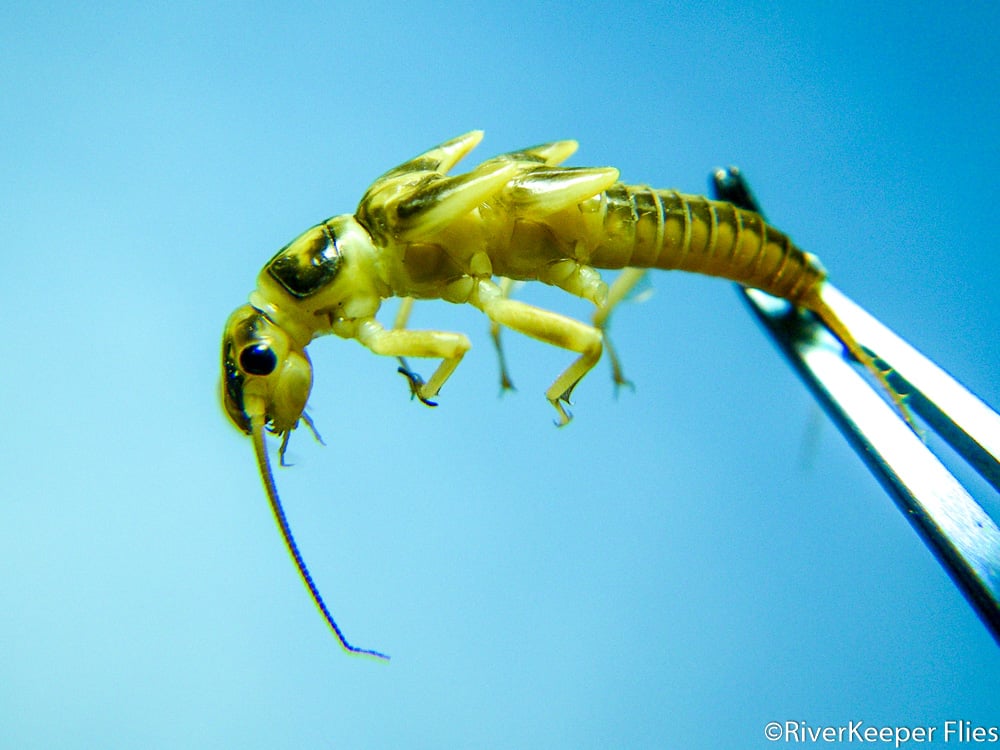
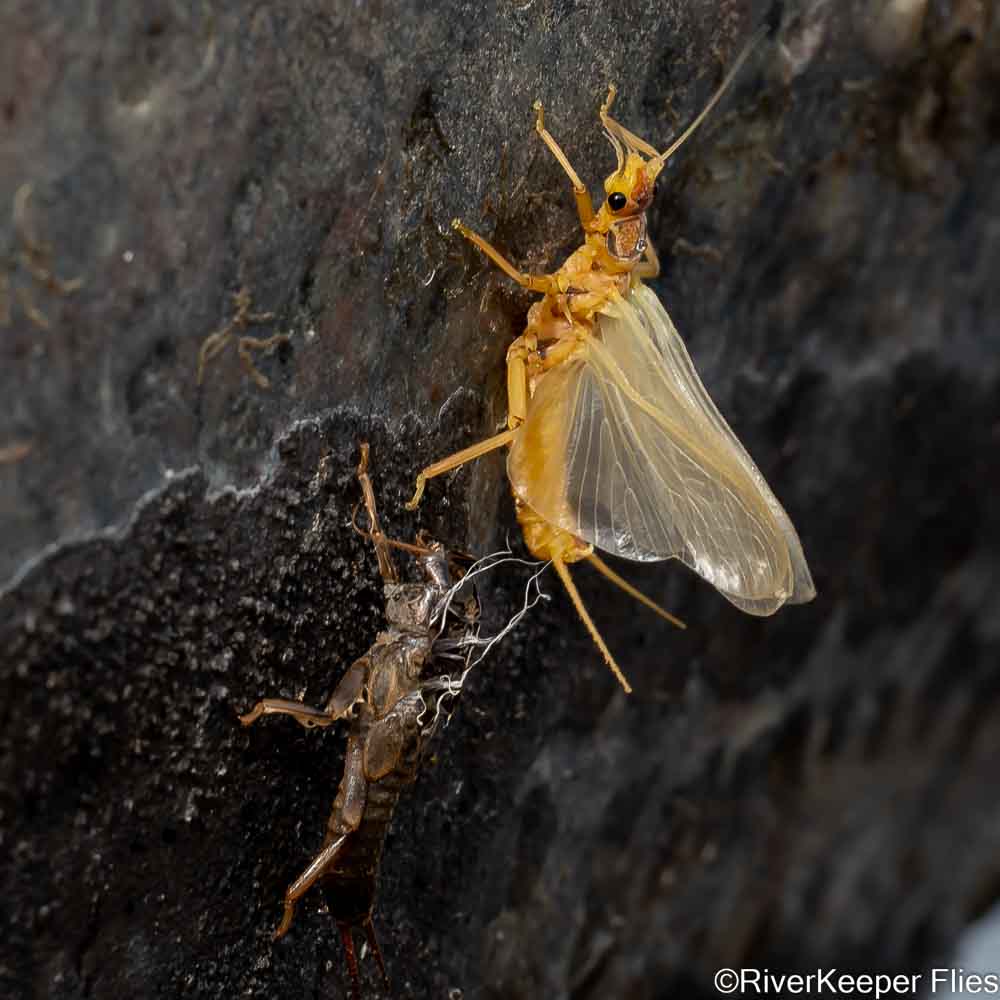
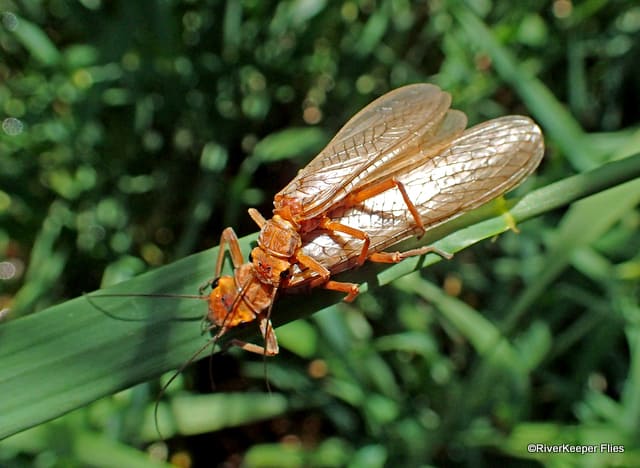
The following images show a new adult that has just emerged from the nymphal shuck, along with some other adults.


And the dry flies I use to imitate them.
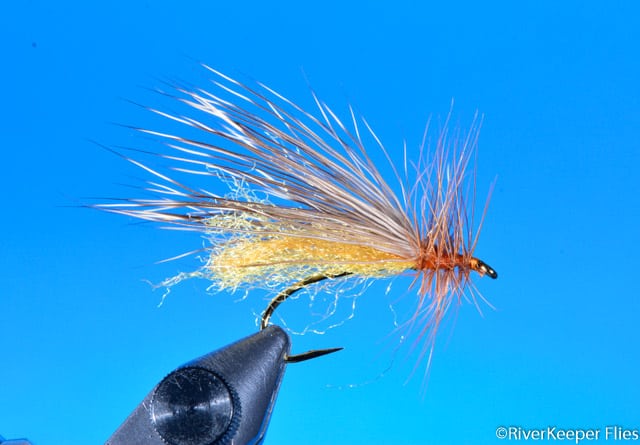

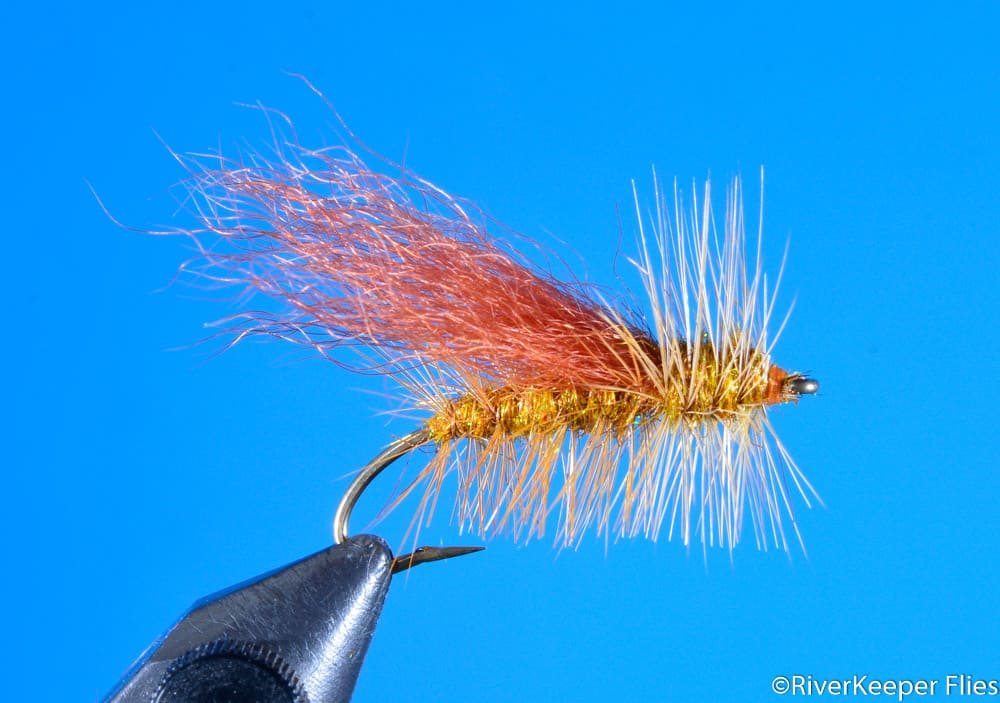

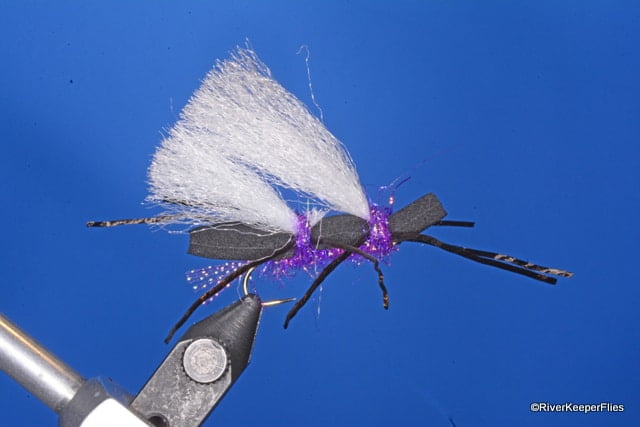

Yes, the last two flies are purple. Why would they work to imitate a Golden Stone? I have no idea. I just know they work!
Honestly, after the hatch really gets going, you’ll find a Clark’s Lady Stone or Chubby Chernobyl – Golden Stone on the end of my leader.
I have faith in these flies!
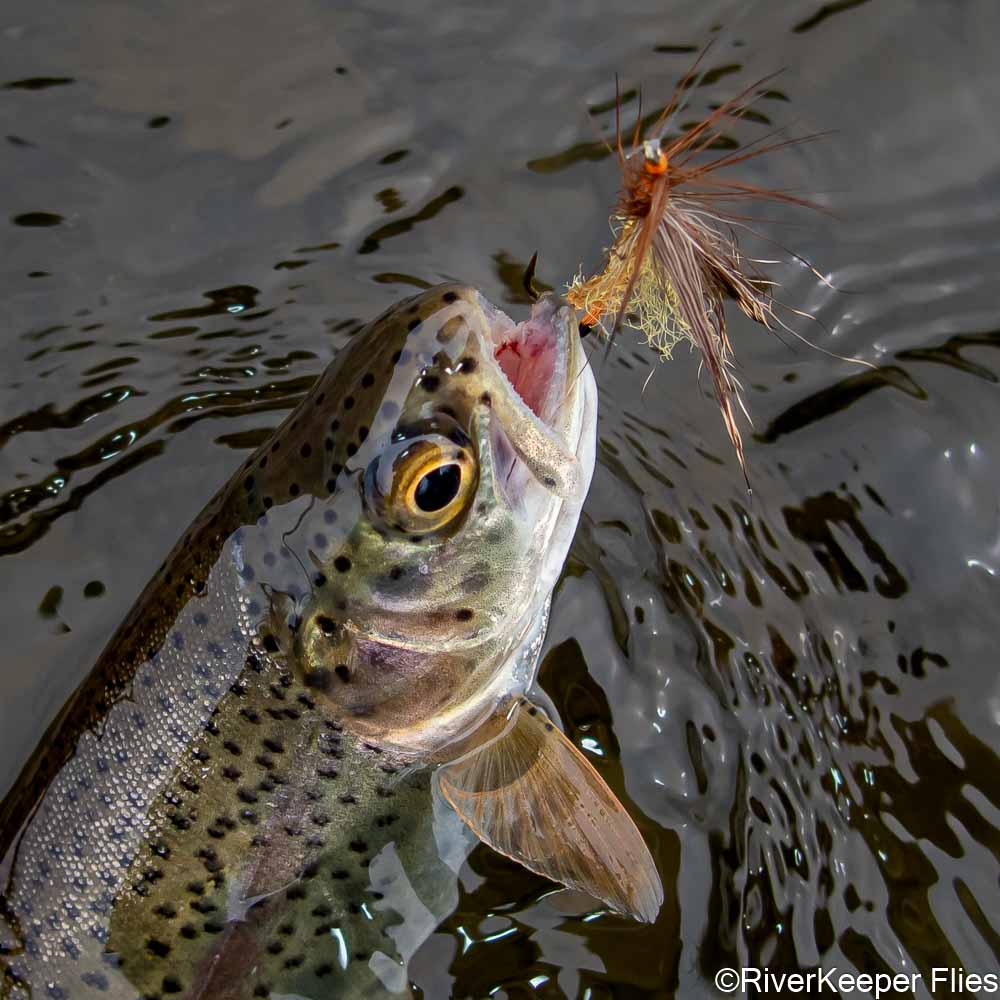
Oh, alright…I really like the Norm Wood Special as well!!!

If you can’t recall what it’s like to fish these hatches, here are links to a couple posts I wrote last year.
It won’t be long now. I hope you are ready!
What are your favorite flies?
Enjoy..go fish!




reminds me of earlier days on the Madison – pre quake from Campfire Lodge to Ennis…I was a Californian