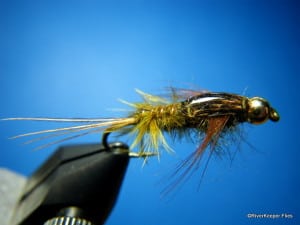
Hares Ear Nymph

This week’s TBT fly is the Hares Ear Nymph. It’s an old pattern and usually one of the first flies taught to beginner fly tyers. For some reason, many fly fishers start fishing this fly and then go away from it…I might be somewhat guilty as well.

My quick history review shows multiple references as to the origin of the Hares Ear Nymph. One stated it was invented in the 1880’s…George Leonard Herter in a book provided the following credit:

“The Hares Ear and Gold Ribbed Hares Ear both were made by fly tyer David Hemming of Redditch, England in 1832.”

Overall, it doesn’t really matter…it’s just old and has been catching fish since somewhere in the 1800’s.

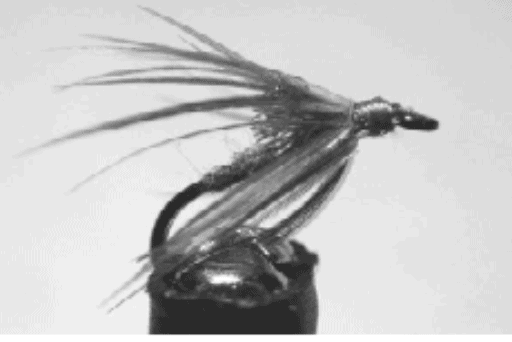
Hares Ear Nymph | www.johnkreft.com

Similar Posts

  • McMurray Ant

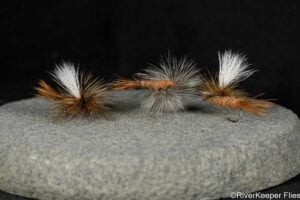
    This week’s Throw Back Thursday Fly is the McMurray Ant. Ed Sutryn invented the McMurray Ant in the early 1960’s while fishing on a stream in McMurray, Pennsylvania. He watched trout crazily feeding on ants. Sometime later, he found out they were timber ants and set about designing a fly using monofilament, cork, and black…

  • WD-40

    This week’s Throw Back Thursday Fly is the WD-40. The WD-40 was developed by Mark Engler for the Frying Pan River in Colorado back in 1982. The WD is for Wood Duck, which is used in the tail and wingcase, although I’ve seen the fly tied with Mallard Flank as well. The fly can be used…

  • Mayfly Spinners

    On one of my fly fishing trips to the river last week, I was waiting for the fish to begin rising and I was curious about what flies were in the drift and available to the fish. A good place to find out is on the edges of an eddy. So I walked downstream to…

  • Lady Caroline

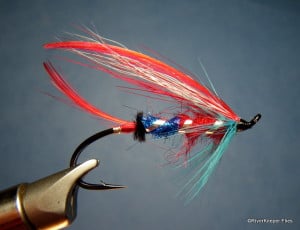
    I thought it appropriate to offer the Lady Caroline as this week’s TBT fly. Yes, I just blogged about tying it in the last week in Tying Spey Flies – I’m Scared, but it’s perhaps the most famous spey fly. John Shewey in his Spey Flies & Dee Flies book suggests there is evidence “Geordie”…

Leave a Reply

Your email address will not be published. Required fields are marked *