If you are a new fly fisher, sometimes the sport can be intimidating. Which rod, reel, and line should I buy? What fly should I use? How do I simply identify bugs fish eat? The questions never end.

I always tell new fly fishers to just get out and fish. You’ll learn by doing. Start with a 9′ 5 weight fly rod and hit the water. Your local fly shop can help select a rod and reel within your price range. There are some amazing rods these days that won’t break the bank.
What should you look for when arriving at the water the first time? Are there bugs on the water? Do you see fish rising?
To be successful, you don’t need to know the Latin name of the bug. What do the bugs look like? Use your observation skills. If you can see them, concentrate on their wings. Trust me, it’s easy and it’s the first step in learning which fly to tie on your leader.
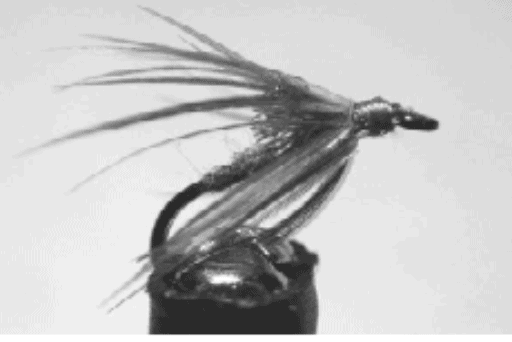
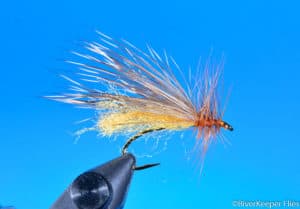
How about a tent shaped wing? A caddis.

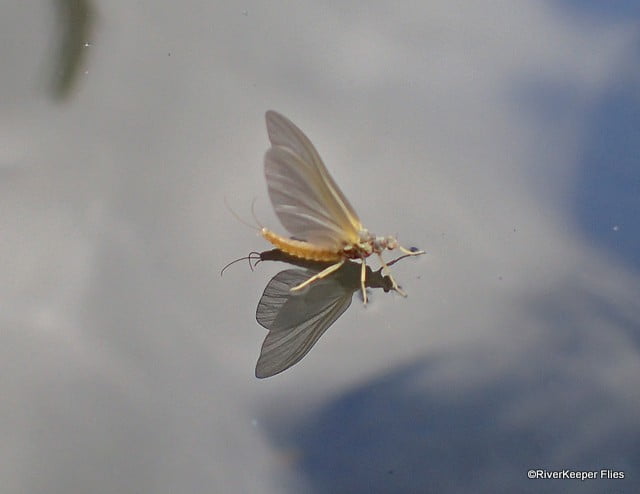
Upright wings? Mayfly, my favorite!
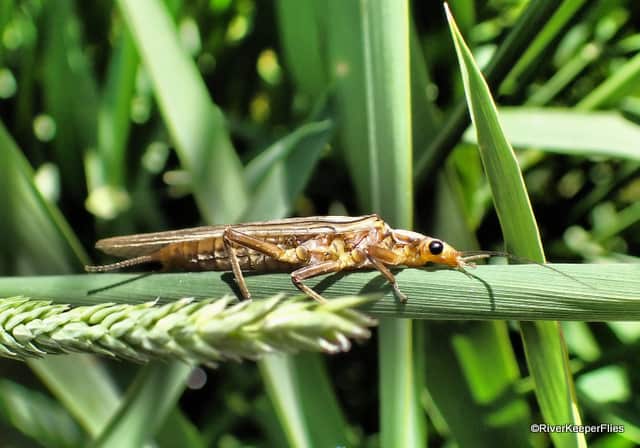
Do their wings lay flat across their back? It’s a stonefly.
That wasn’t so difficult, was it?
Most of the bugs you’ll run into are a caddis, mayfly, or stonefly.
Next consideration is size. Is it big, as in size 6 or 8? Or small, like a size 16 or 18?
Check your fly box for a similar size and wing configuration to imitate the natural. Or look on my Fly Patterns page for some help.
The last consideration is color. Just get as close as you can. In my experience, an exact match isn’t always required. (OK, sometimes it is for very selective trout.)
That wasn’t so hard, was it?
If you follow this advice, you will be fishing and have a better than average chance of catching a fish.
If there are other people fishing, ask them what they think is hatching. Most of the time, they are willing to help. You’ll begin hearing words that will begin to make sense…a Pale Morning Dun (PMD), Blue Wing Olive (BWO), Golden Stone, or Caddis.
If you are eager to learn more, be sure to read a few of my other RiverKeeper Flies posts:
In a future post, I’ll help you fill your fly box with flies to imitate these three basic bugs.
For the beginning fly fisher, learning to simply identify bugs is the first step to becoming a successful fly fisher.
Enjoy…go fish!


So helpful for newby’s.
Thanks John