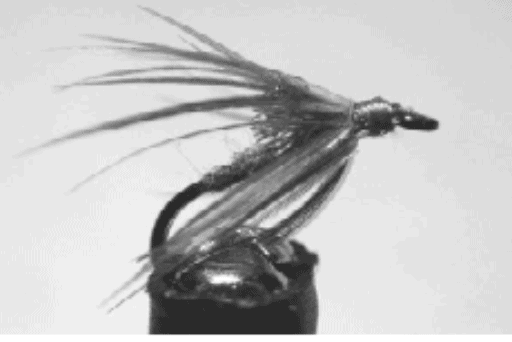
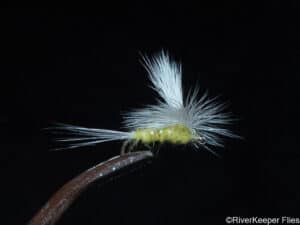
This week’s Throw Back Thursday Fly is the Mayfly Cripple.
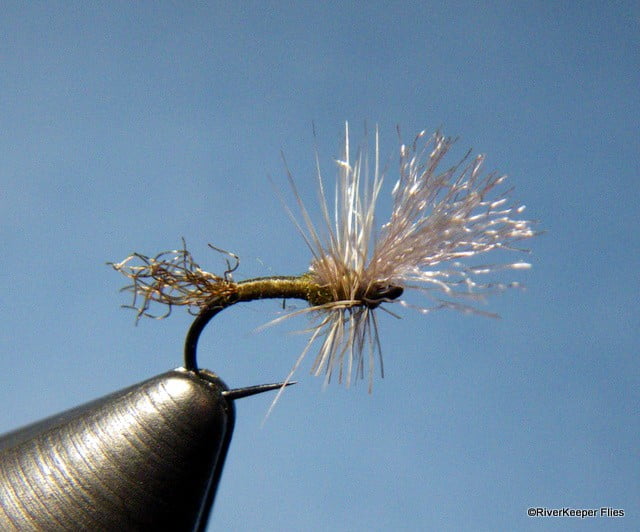
The Mayfly Cripple is another fly pattern from Blue Ribbon Flies in West Yellowstone, MT.
I found this fly pattern in Fly Patterns of Yellowstone – Volume 2 (2008) by Craig Mathews and John Juracek several years ago.
Rowen Nyman created the Mayfly Cripple in the spring of 1997. He fished it on the Henry’s Fork, Beaverhead, Big Hole, and Madison rivers to imitate Baetis mayflies. The wing used dun poly or Zelon, but Nyman also tried black wings to help with visibility. It’s amazing how easily you can see a black wing. At times, it just seems to shine because of the contrast with the water.
I really believe in cripple fly patterns. Fish are lazy and know cripples can’t fly off, so they become easy prey.
The Mayfly Cripple can be tied to imitate any mayfly. I’ve tied it to imitate Baetis (BWO), Caudatella, PMD, March Brown/Cinygmula, and Green Drakes.
Better get to the vise and tie a few more…
Enjoy…go fish!


Last I saw on line was that Quigley “ invented” that pattern in 1978. The guys at Blue Ribbon are very good, but I do not think the mayfly cripple is their pattern.
I have been tying similar without the hackle, just because it is easier. I use a bigger piece of zelon and leave a nice tuft back of the tie in point too. Have ever tried similar and if so, visibility aside, have you noticed a difference in productivity?
Joe
Thanks for your comment. Sounds like you are tying a Sparkle Dun Variant by substituting the Zelon for a deer hair wing. I think it should work just fine.
Depending on what type of water you fish, the hackle will come in handy if it is rougher. I don’t fish this fly pattern on my local spring creek very much because I like the profile of a Sparkle Dun or my RiverKeeper Soft Hackle Cripple better. They are flush with the water vs. using a Mayfly Cripple where the hackle is designed to hold the body off the water. There isn’t a right/wrong answer…the fish will tell you which one is better!
John
Interesting. I hadn’t thought of it that way. I imagine the zelon tail on the back of the sparkle Dunn keeping the fly level and the cripple orienting vertically. Is this not accurate?
Joe
I believe the Zelon tail acts somewhat like a rudder, but the deer hair wing spread out to 180 degrees helps as well. In addition, the Zelon tail does gather water and sits in the surface film to imitate the shuck. I don’t add floatant to that piece of the fly.
John
Hmm I hadn’t thought of it that way. The zelon on the cripple goes forward not to the sides, not sure that matters. I imagine the cripple sitting vertically in the water not horizontally like the sparkle dunn, is that accurate?
Your point about rough water makes sense, I guess there is not getting away from hackles!
Joe
I tend to use a mayfly cripple in faster water because the hackle holds the fly up too much in my spring creek. I would rather use a Sparkle Dun for that situation. I find the fly rides horizontally. It might tip a bit, kind of depends where the floatant is applied.
John