• Kent’s Pumpkin Head

    This week’s Throw Back Thursday Fly is John Kent’s Pumpkin Head. The Pumpkin Head was created by John Kent originally for fishing in Tunkwa Lake in BC, a highly productive but frequently low visibility lake. Kent originally developed the fly as a damsel imitation, but I’ve used it as an attractor pattern when no hatch…

  • No. 8 Water-hen Bloa

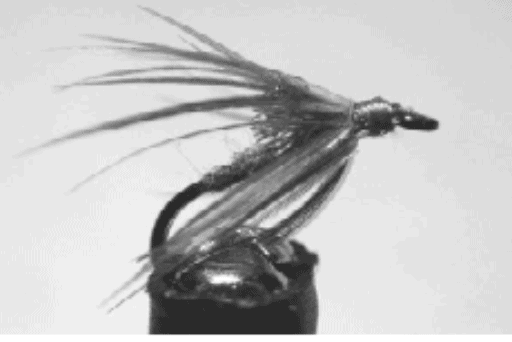
    This week’s Throw Back Thursday Fly is the No. 8 Water-hen Bloa. The Water-hen Bloa can be found in many of the old fly fishing and fly tying books. The first example is from page 24 of Yorkshire Trout Flies by T. E. Pritt (1885) “This fly is identical with the blue dun of Ronalds, and…

  • Atherton No. 6 Dry Fly

    This week’s Throw Back Thursday Fly is the Atherton No. 6 dry fly. John Atherton (1900 – 1952) was an artist by trade and incorporated his impressionistic art into the flies he tied. Interestingly, he didn’t name the flies, choosing instead to number his dry flies from 1 to 7, representing lighter to darker shades…

  • Tying Steelhead Flies

    I finished and mailed a steelhead fly order for a customer in the mid-west about a month ago and thought I’d share his order with you. I enjoy tying steelhead flies, but haven’t tied many the last few years because of the low steelhead runs of the Columbia basin. But these 16 flies were a…

  • Broughton’s Point

    This week’s Throw Back Thursday Fly is Broughton’s Point. I found this beautiful fly in Brook and River Trouting by Harfield H. Edmonds and Norman N. Lee (1916). It’s listed as fly No. 7 on page 18 – Broughton’s Point or Dark Bloa, with a note on the bottom as a fly to fish in March…

  • Tying Very Small Flies

    I finished a fly order recently, tying very small flies which challenged my fly tying skills. The order was for flies in sizes 18 to 22. Tying small flies is difficult if you don’t tie a lot. You feel like you’re tying with two thumbs! Trust me, I’ve been there! I remember a statement I…