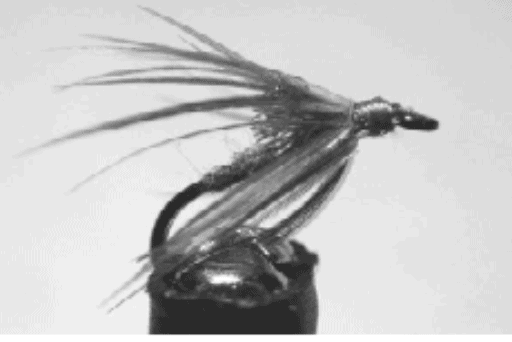
This week’s Throw Back Thursday post highlight several Frank Johnson woven-hair-hackle flies.

I’ve had these flies a while. They were in a fly box Frank Johnson donated and I was fortunate to select during a Fly Tyer’s Rendezvous fly swap at the 50th Anniversary of the International Federation of Fly Fishers Fair in Bend, Oregon. (2015)

Frank was well known at the event as he was a recipient of the FFI Buz Buszek Memorial Fly Tying Award in 1984. The award “is presented to individuals who have demonstrated highest skills in fly tying and made significant contributions to the preservation of the artform of fly tying.” He passed away in 2019 at the age of 75.
Here is a close-up of the fly. Notice the woven body AS WELL AS the woven hair used for hackle.

A couple more examples.
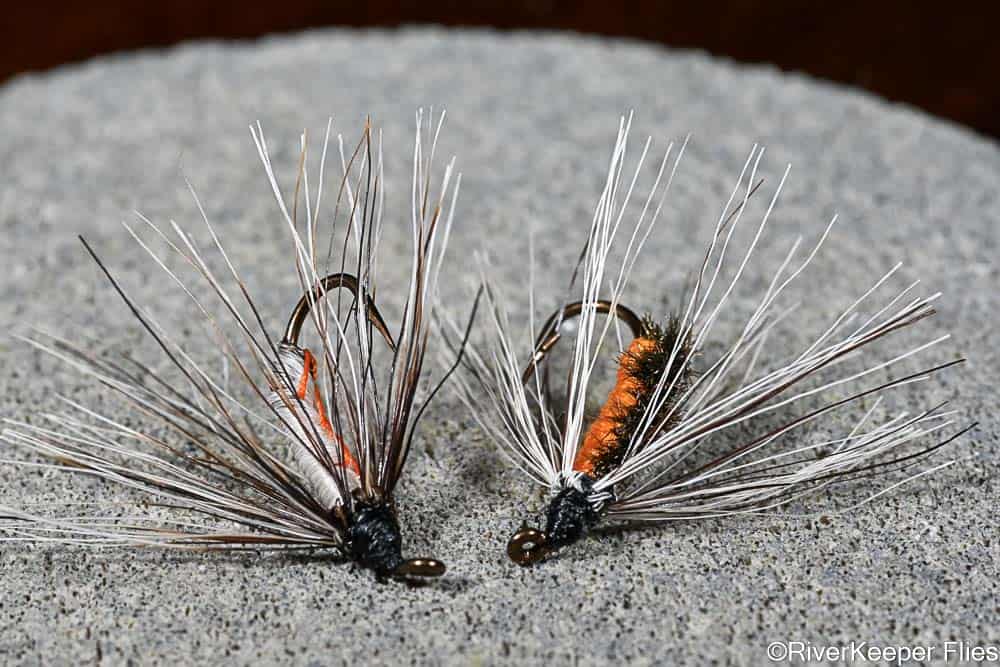
And a close-up of the fly on the left…

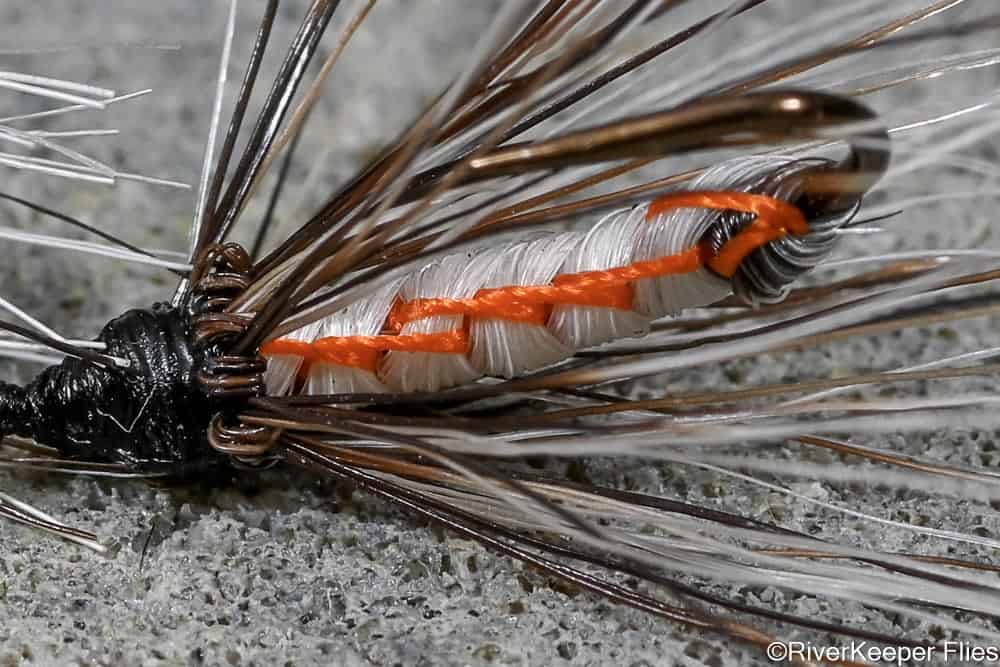
…and the right…

I’ve tied a few nymphs tied with a simple weave of chenille, but nothing like these.
Frank bought the Pott Fly Company in 1975 in an effort to keep woven flies from being lost to history.
If you are interested in learning more about weaving and braiding flies, I highly recommend Gretchen and Al Beatty’s book entitled The Art of the Weave. Their book includes simple weaves and chapters of the George Grant-style weave and Franz Pott weave. The Grant and Pott chapters offer extensive information about the style and tying instructions.
Lastly, here is a link to another TBT post George Grant Style Fly, highlighting a Grant woven-body fly.
Enjoy…go fish, stay safe!
(John Kreft is a participant in the Amazon Services LLC Associates Program, an affiliate advertising program designed to provide a means for sites to earn advertising fees by advertising and linking to amazon.com.)


Thanks for the post and the pictures. I enjoyed the hackle on the flies.
I have a box of Pott’s flies that I enjoy pulling and looking at. Randy Flynn of Ketchum Id is very good at weaving this style of fly.
George Grant’s book – “Master Fly Weaver” is worth the search.
Gary Kish
Look forward to and enjoy your posts but I’m having trouble getting your tying info!! I am not very in the electronic and that may be the problem..
Hi John,
Thanks for the plug for the book. We learned to Pott Weave (illustrated above) from Frank Johnson. He was a special friend of ours for 40+ years. Take care & …
Tight Lines – Al Beatty