Why are Attractor Fly Patterns Effective?

I’ve been sitting at my fly tying vise this week working on flies for our upcoming trip to Patagonia. All the flies are Fat Alberts in a couple of sizes and colors. My mind wanders a lot when tying and I started to think why are attractor fly patterns effective?

Fat Albert Flies | www.johnkreft.com

I featured this fly last year as a Throw Back Thursday Fly. I found it was initially used to imitate Cantaria beetle in Chile. But why would it be effective in a lot of other waters?

Sure, I can understand how a large black fly might trick a trout into thinking it was eating a beetle, but why eat a brown/tan version? I know what you are thinking…grasshopper, right?

Here is a link to my RiverKeeper Flies YouTube channel where I demonstrate tying the fly.

Or if you like to be entertained, here is a video of me “speed tying”. I have a 30 minute limit on my camera when creating videos and decided to see how many I could tie. It’s just over 5 minutes long.

When I think about attractor fly patterns, the one that comes to mind is a Parachute Adams. I don’t use it much, but I know other fly fishers do with great success.
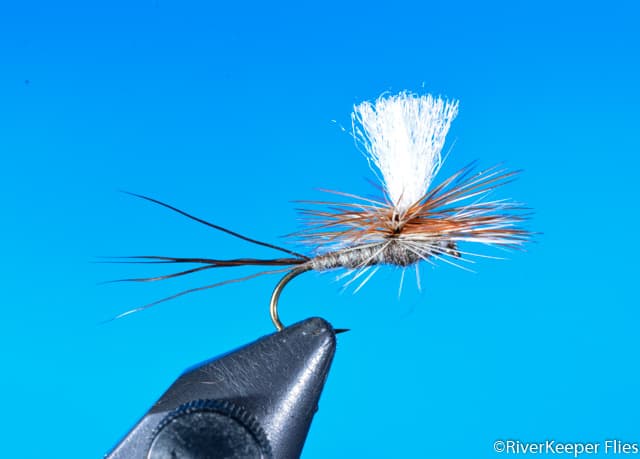
Parachute Adams | www.johnkreft.com

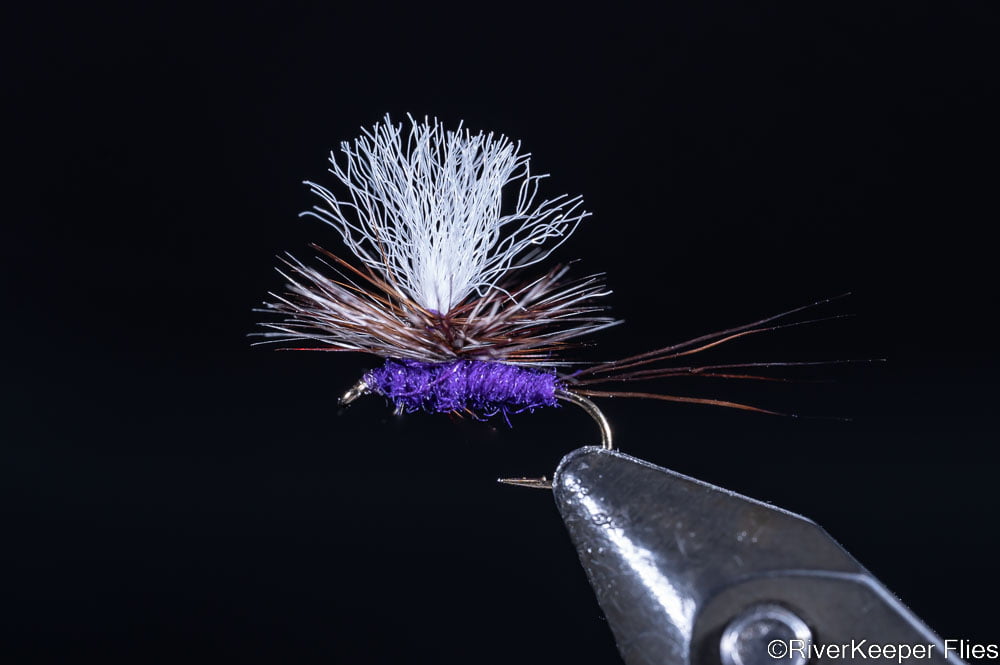
How about a Purple Haze?

Purple Haze | www.riverkeeperflies.com

Or this Royal Wulff?

Royal Wulff No Vise | www.johnkreft.com

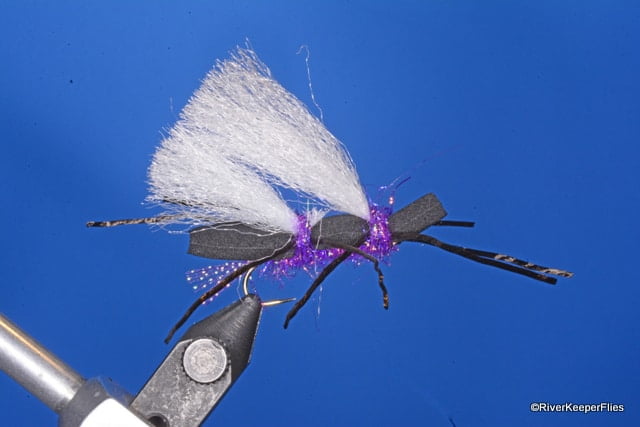
Or a Chubby Chernobyl in purple?

Chubby Chernobyl - Purple | www.johnkreft.com

Why are they successful? I’m not sure.

When matching the hatch, I generally use the theory of size, profile, and color as the basic characteristics to consider when selecting flies. I believe the order is important.

I don’t have a lot of answers, only questions.

Back to the vise so random thoughts can bounce around in my head! I have a few more size 8 Fat Alberts to tie in black.

Enjoy…go fish!

Similar Posts

  • Splashy Rises

    I love to see fish rise. That’s why I fish dry flies. Splashy rises are my favorite. It’s the type of rise form which tells me the fish are exploding at the surface with reckless abandon. I like those two words…reckless abandon. These takes may be the most memorable. Makes me smile just thinking about it….

  • Comparadun Mayfly

    This week’s Throw Back Thursday Fly is the Comparadun mayfly. I first tied a Comparadun mayfly in the early 1990’s. The fly was a pattern I found in Randall Kaufmann’s book Tying Dry Flies. Kaufmann presented the Comparadun along with a Sparkle Dun. Al Caucci developed the Comparadun mayfly in the early 1960’s as a…

  • Where Will I Fish?

    It’s May already. Can you believe it? And I have a problem…where will I fish? As I review my own May RiverKeeper Flies posts from previous years, I see it’s a common occurrence. There are so many options now…the Metolius (my home river), Crooked, Middle Deschutes, and Lower Deschutes. Then I could list a few…

  • Steelhead Bee TBT

    This week’s Throw Back Thursday Fly is the Steelhead Bee TBT, a fly tied by Roderick Haig-Brown (1908 – 1976). I found this fly on a display at the International Federation of Fly Fishers Museum in Livingston, MT. It’s is one of several flies in a display entitled Roderick Haig-Brown His Tackle & His Flies….

Leave a Reply

Your email address will not be published. Required fields are marked *