I’ve been spending quite a bit of time at the vise recently, tying a variety of flies for customers. Fishing will pick up soon and I’ll be off on this year’s fly fishing road trips, so I need to get as many flies tied as possible in the next month or less. If you read last week’s Spring on the River post, you know dry fly fishing has been slow for me. I’ve taken my camera to the river with me to practice close-up photography. Below you’ll find recent flies from the vise and images from the river using my Nikon Z50.
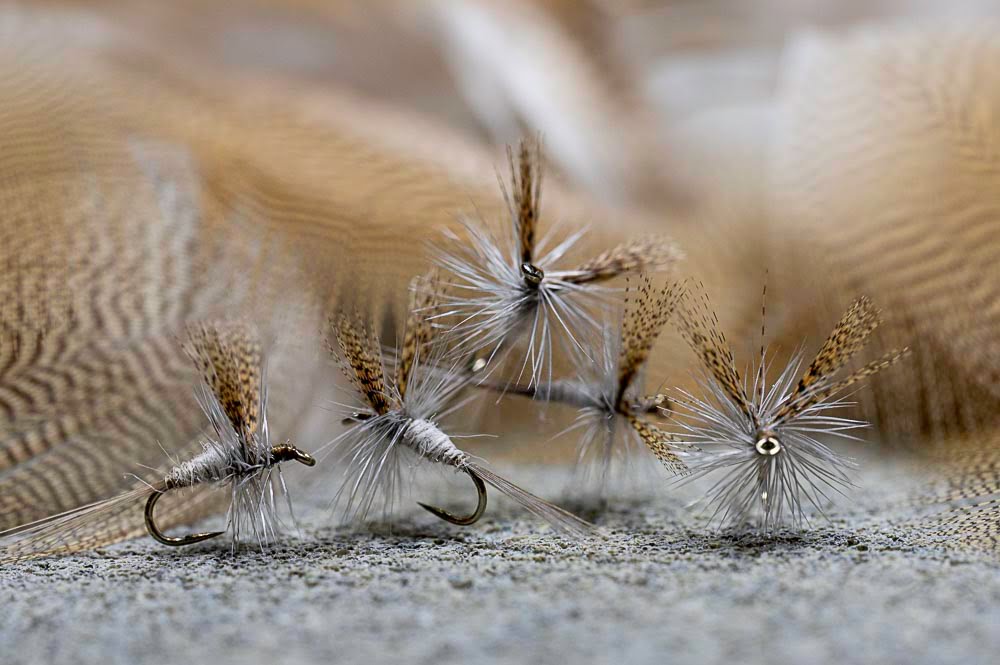
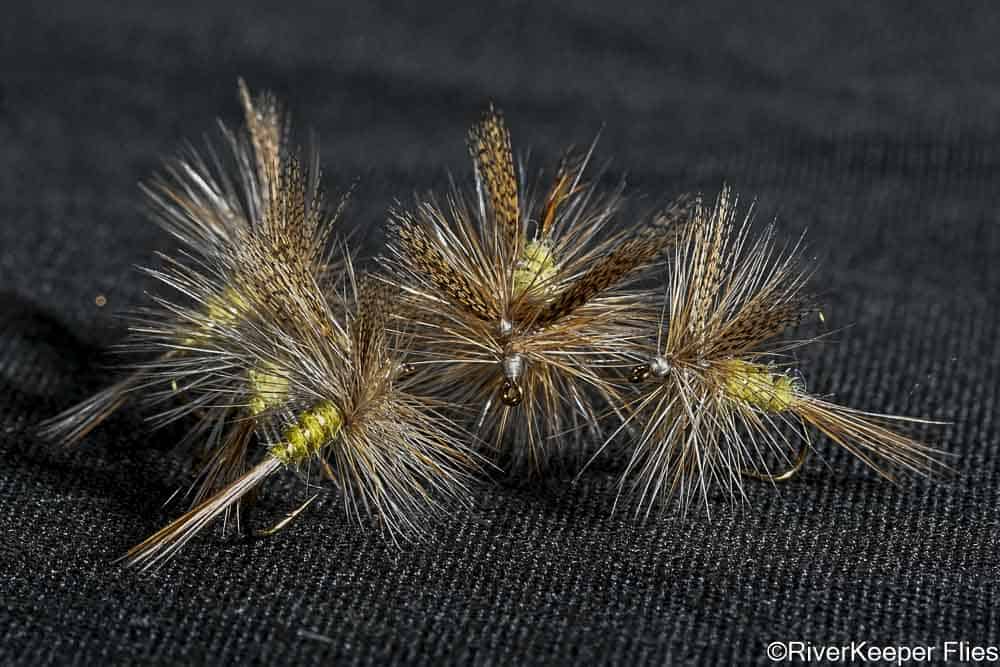
The image above are some size 18 Light Hendrickson’s.
I’ve mentioned how I enjoy tying these Catskill-style flies. It makes such a difference having quality Wood Duck feathers I’ve accumulated over the years.
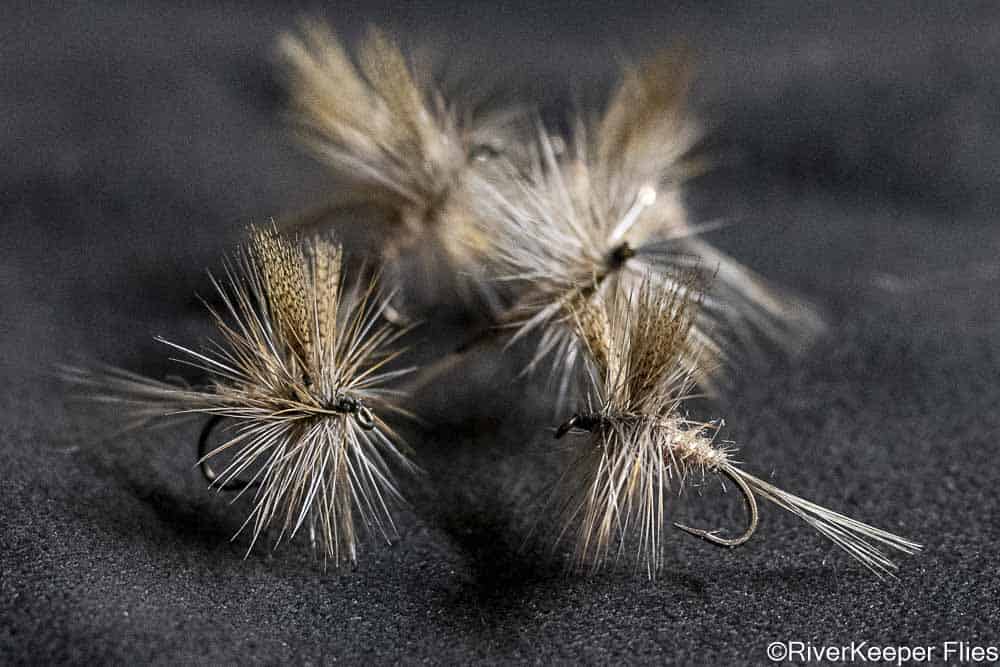
One of my customers wanted a couple of Atherton #1 thru 6 dry flies. These are sizes 12 and 14.
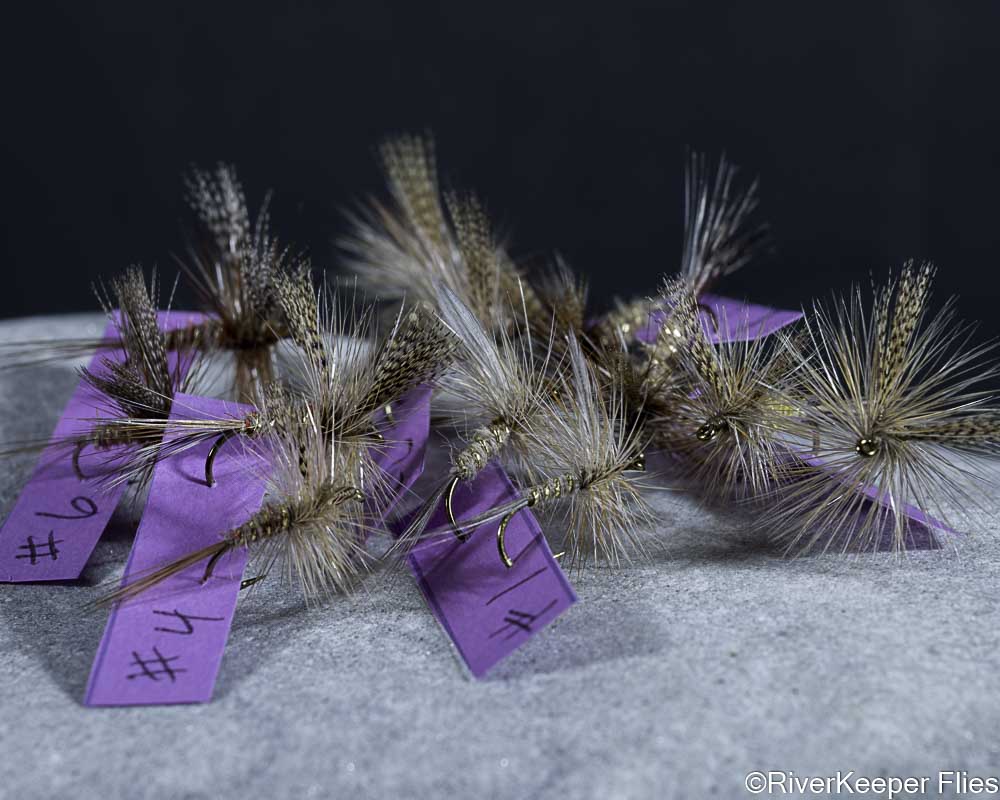
I hope you’ve seen the Atherton series in my Throw Back Thursday Fly posts.

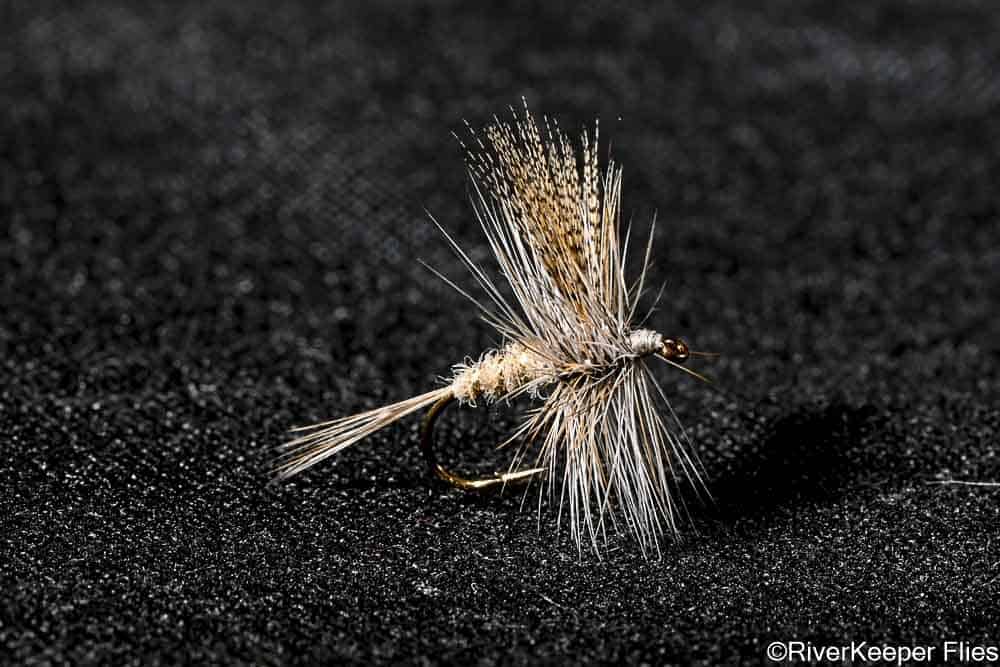
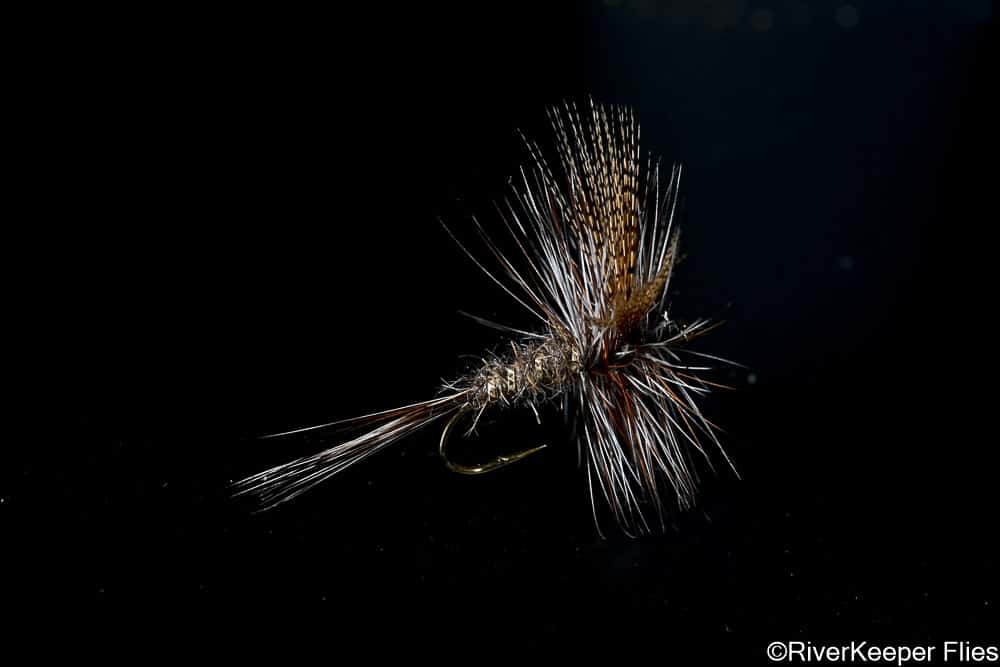

The Sierra Bright Dot is another interesting pattern a customer plans to use for Golden Trout. He couldn’t find smaller sizes in the original red. Here are two dozen size 20 flies in red and chartreuse. I’ll finish his order of sizes 12 – 20 soon.

The last two flies include a streamer fly pattern called the Grinch, created by a Montana outfitter several years ago named Kory Kober.
This is the original fly pattern.
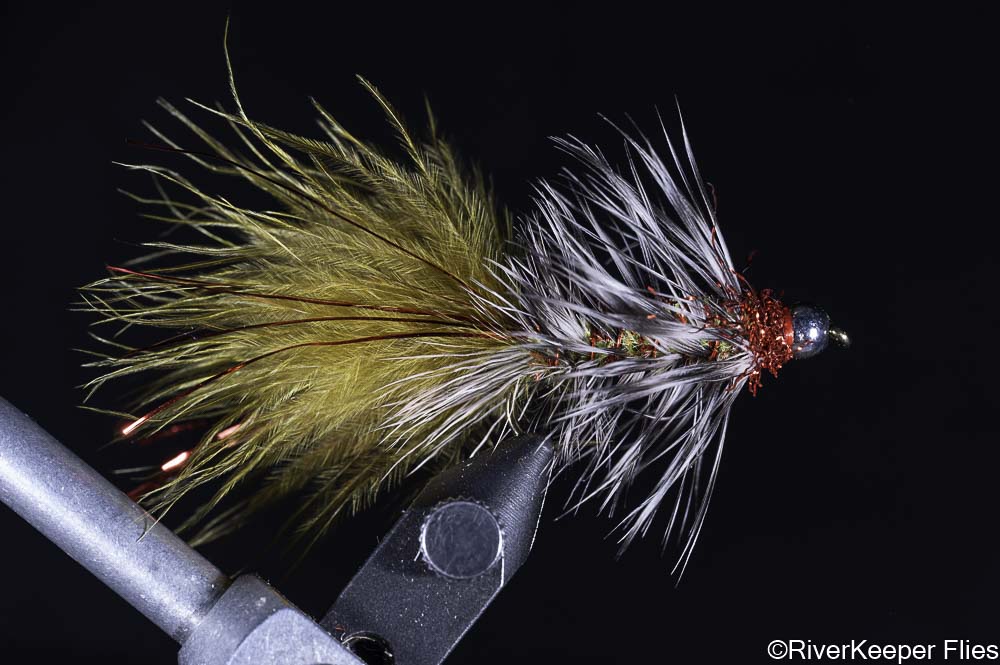
And a variant using ginger marabou for the tail and red-dyed grizzly hackle.

Lastly, I captured this shot of the first Green Drake of the season.
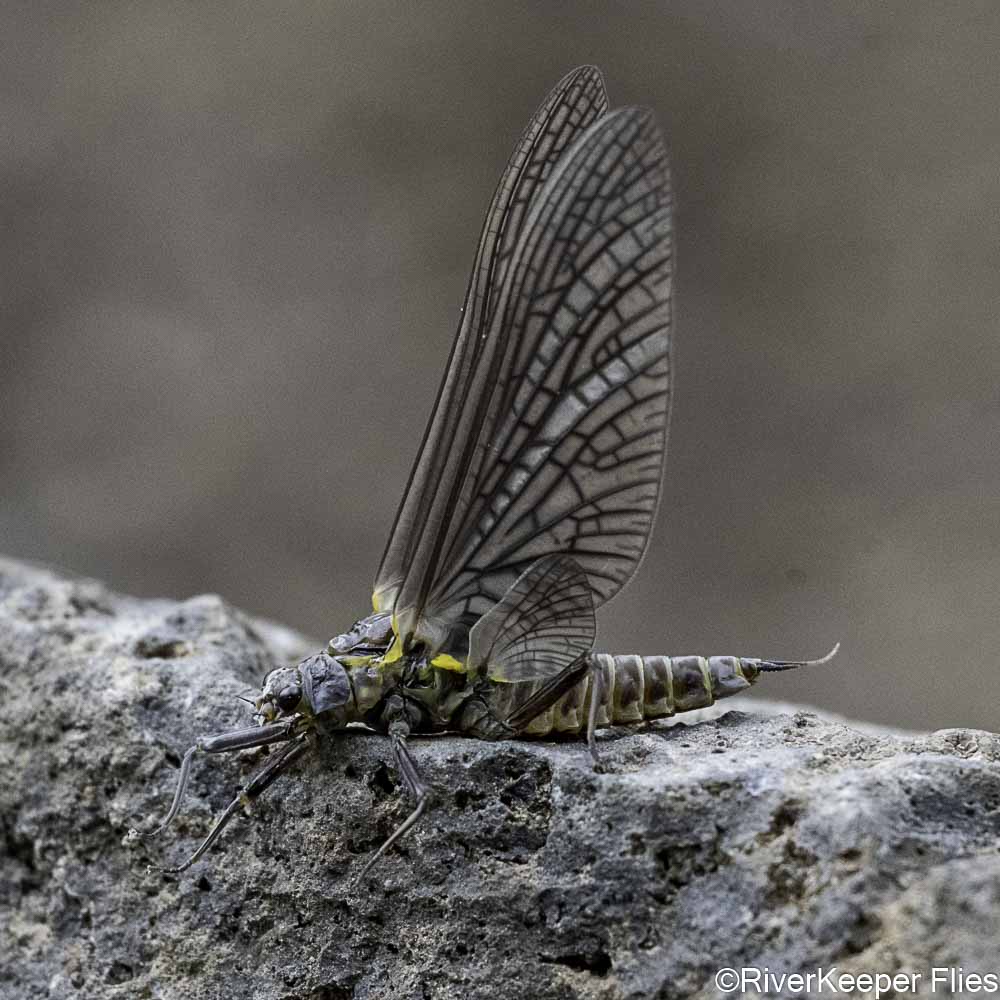
And a closer look…
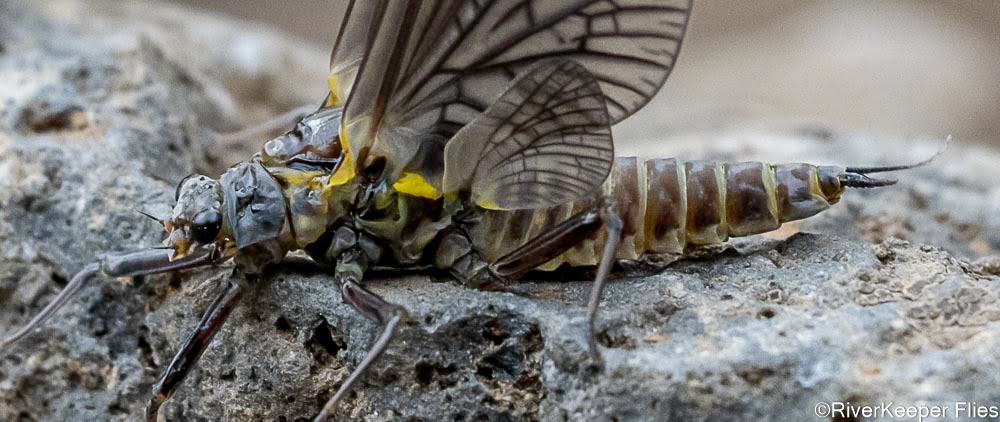
The fish won’t begin eating them for another few weeks as they need to get used to seeing them for some reason before rising. I don’t understand this, but it’s something I’ve seen in previous years.
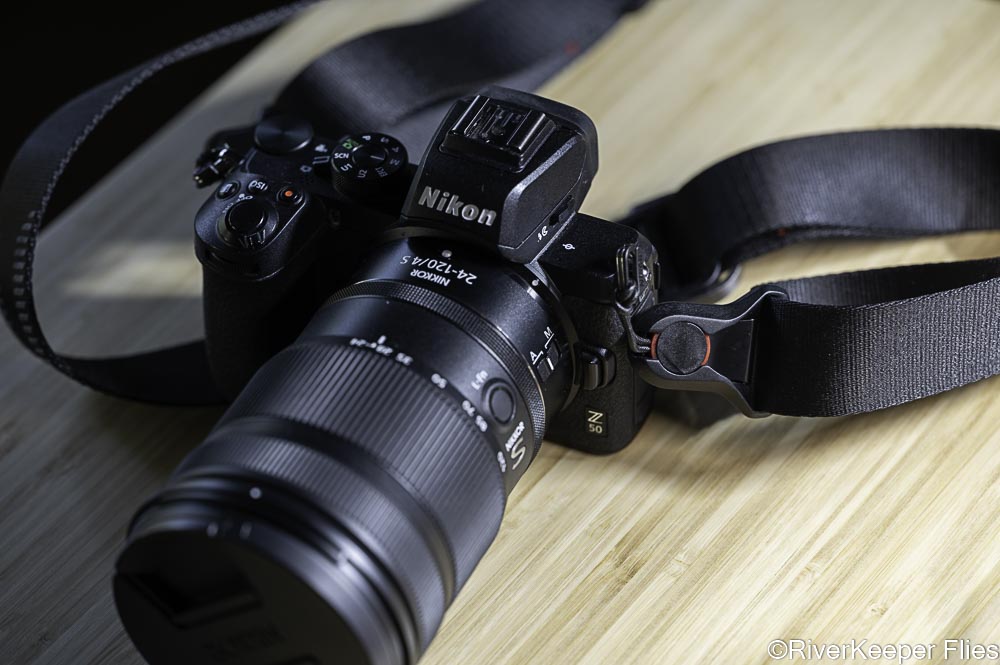
I generally use an Olympus TG-6 compact camera for my on-water images. It fits nicely in a zippered pocket of my waders. But recently, I’ve added the Nikon Z50 with a 24 – 120mm f/4 S lens on the Peak Design strap for security.
Enjoy…go fish!
(John Kreft is a participant in the Amazon Services LLC Associates Program, an affiliate advertising program designed to provide a means for sites to earn advertising fees by advertising and linking to amazon.com.)


Sierra bright dot, I haven’t used one in years great brookie fly also.
You will love the camera strap.
Greg
I’ve liked how the camera strap works so far. Most of the time I’ve got the cuff attached when walking around. But the convenience of switching to the strap is very simple.
John
All Great Looking Flies !!!
Beautiful bugs as always, John, I admire your skill!
Those old Catskill-style flies are fun to tie and too often ignored here in the West.
I recall a day on Hat Creek, many years back, when the trout had seen every new (at that time) style of emerger and dry fly for blue-winged olives that the crowd of regulars and visiting anglers could throw at them. Doug Swisher’s Selective Trout was only a few years old and resident angler Bob Quigley had just come up with his cripple patterns. There were Swisher no-hackles and floating nymphs, Marinaro thorax ties, cripples, all sorts of experimental bugs that the locals came up with. They all caught a few fish. One evening I tied on a #18 Quill Gordon, tied sparse – I had tied dozens of these flies a few years earlier for Orvis.
That fly produced consistently where the others sputtered.
The “What’re you using?” questions at streamside resulted in a following for the fly in my shop.
We found eventually that there are times the trout will prefer a skinny and distinctly segmented quill body over a dubbed one, and vise- versa, in addition to preferring different size-shape-silhouettes and dimples in the film.
Bottom line, if it’s a good fly it always has its place.
Thanks for leaving a Comment and the compliment about my flies. Another great memory from you!
John
Hi John,
Your photography samples are stunning. I especially love the first one in this piece of the Light Hendrickson “bunch” in size 18. If you flip the orientation of the picture, that is a cover shot for a book or magazine. Wow! Take care & …
Tight Lines – (Gretchen &) Al Beatty
Thanks for the kind words Al!
John