Parachute Flies

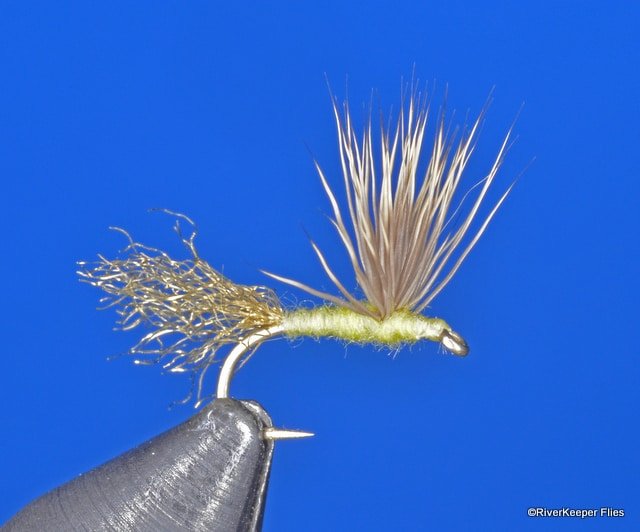
I was thinking the other day about the dry flies I use most of the time and the fact they don’t include parachute flies. Sure, I’ll use parachute flies on some rivers and perhaps tie on a Purple Haze in the evening at the spring creek I fish. And sometimes it works.

I gave away a few Purple Haze flies to a friend on the river and I began thinking about how important flies tied with hackles can be.
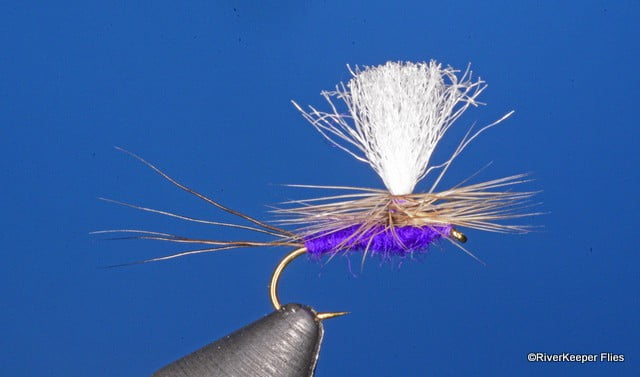
Purple Haze

Purple Haze | www.johnkreft.com

Hackles help the fly float and offer the fish an impression of legs of the real insect. In addition, hackles provide the hint of wings fluttering or movement. These flies emulate the natural very well.
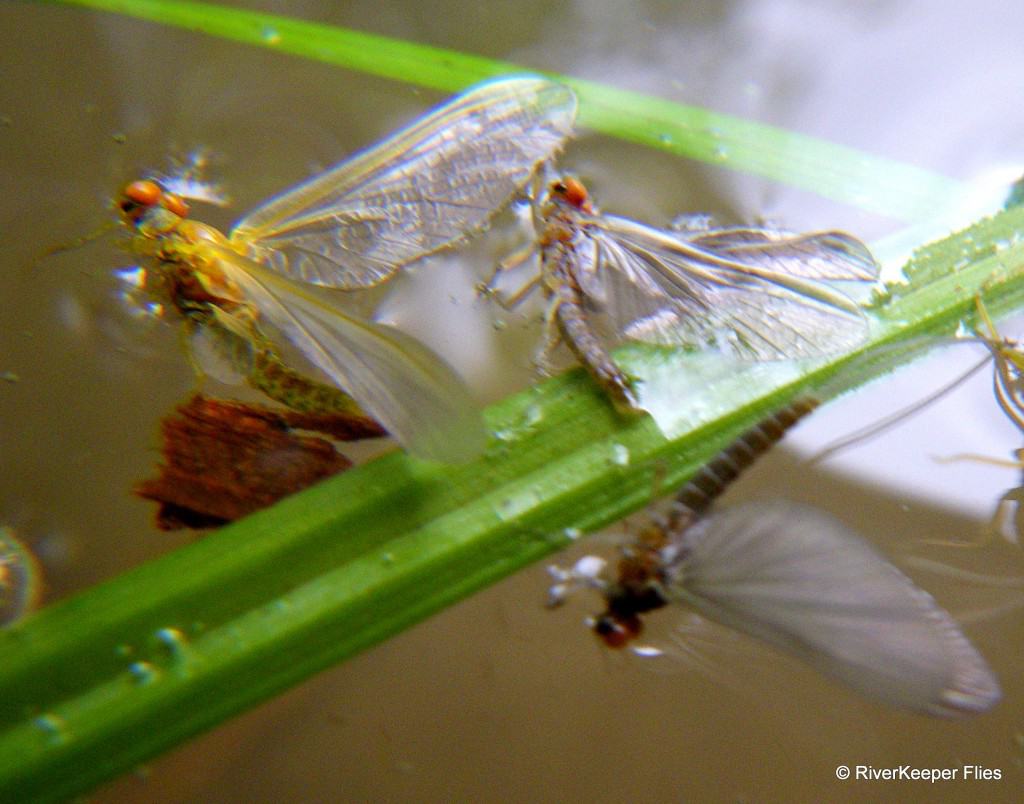
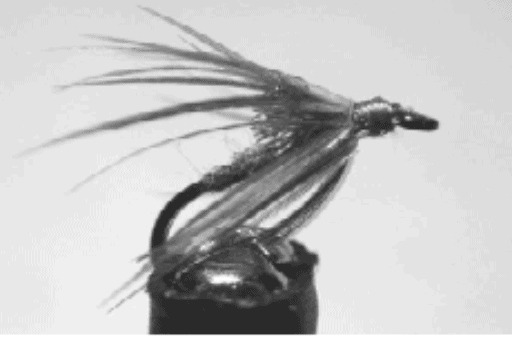
Mayfly Cripple|www.johnkreft.com

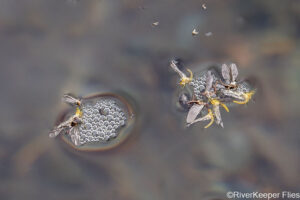
You can see how the abdomen of the fly sits on the water with wings extended. Parachute flies sit low in the water and the parachute-style wing imitates the wings.

But during a recent zen moment sitting along the river bank, I wondered how my fly choices might change if I fished bigger water like the Lower Deschutes. Would I use the same dry flies or different ones?

If I concentrated on fishing the eddies, I’d might use the same dry fly patterns as those on a spring creek. I like the idea of lower profile flies.

Many of you know I fish the RiverKeeper Soft Hackle Cripple and Sparkle Duns most of the time. These patterns fit my theory about using simple, but effective flies. I’ve always been a fan of low-profile flies to imitate a mayfly body on the surface film.

RiverKeeper Soft Hackle Cripple
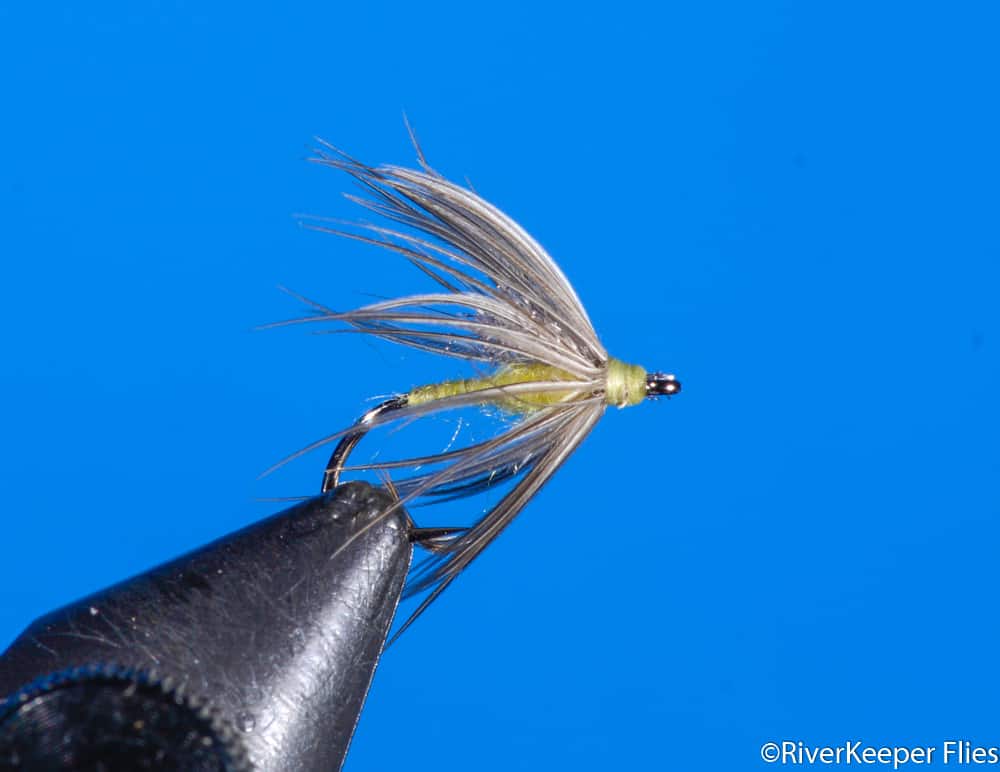
RiverKeeper Soft Hackle Cripple PMD | www.johnkreft.com

Sparkle Dun

Sparkle Dun PMD | www.johnkreft.com
Sparkle Dun PMD

What about the straight-ahead flows of faster riffles? My go-to flies might stay on top of the water for awhile, but they may get “drowned” too. And a higher profile fly would be easier to see. So with those thoughts, I’d have a few more choices in my fly box.

I’d use a lot more flies with hackle on them to help them float. 

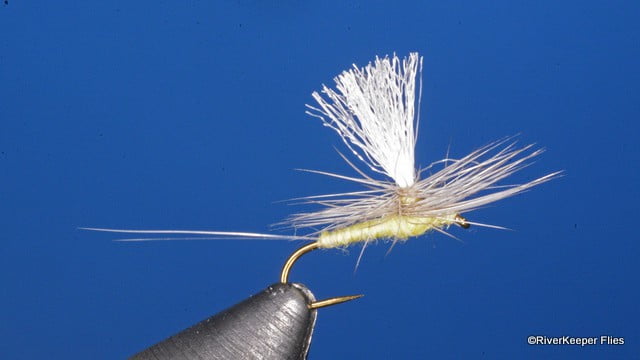
Here are a few parachute fly patterns I use to imitate the mayflies hatching on the river in September and October.
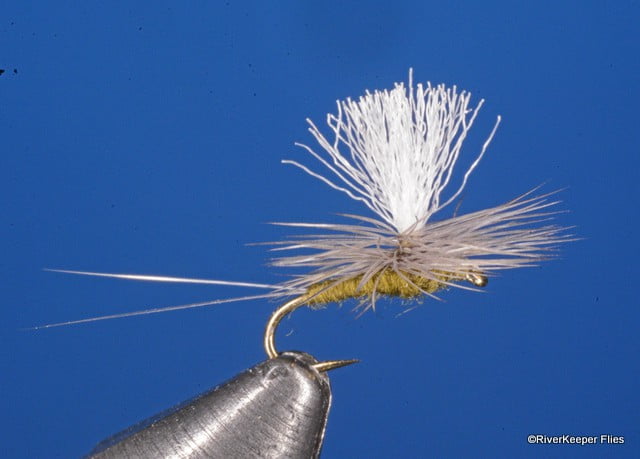
BWO – Blue Wing Olive

Blue Wing Olive | www.johnkreft.com

PMD – Pale Morning Dun

Pale Morning Dun | www.johnkreft.com

PED – Pale Evening Dun

Pale Evening Dun | www.johnkreft.com

In a future post, I’ll provide more information about dry fly styles to imitate mayflies, including traditional, parachute, hackle stacker, and comparadun flies.

I think I’ll sit down and crank out a few more parachute flies.

Enjoy…go fish!

Similar Posts

  • Puyans A.P. Muskrat #2

    This week’s Throw Back Thursday Fly is Andy Puyans A.P. Muskrat #2. André “Andy” Puyans (1935-2005) was born in Garden City, NY and began tying flies at the age of seven. He moved to San Francisco, CA in 1958 to tie flies for Abercrombie and Fitch and eventually opened his own fly shop, Creative Sports…

  • Humpy

    The Humpy fly pattern is this week’s Throw Back Thursday Fly. It’s a fast water attractor pattern, which floats well and can be seen a mile away. Some quick Internet research finds the fly was originated by Jack Horner, a Northern Sierra California fly tyer in the 1940’s. The original fly was called the Horner…

  • Matts Fur

    Here is a Matts Fur fly I tied and fished in the 1970’s. Found it in Kaufmann’s Tying Nymphs book which was my bible in those days.  It still works! Use it for a Golden Stone nymph imitation.

  • Smokey Montana Fly Fishing

    I know many of my readers live in the Western United States. Between the warm water temperatures and smoke, you may have changed your fly fishing plans this summer. Last week, we made a few adjustments as well as we dealt with smokey Montana fly fishing. Here is a sunset we normally see at $3…

  • Fall PMDs

    While walking the river last week searching for rising fish, I stopped by an eddy to see what insects I might find. To my surprise, I found many fall PMDs and a few other insects as well. It reminded me of a few posts I’ve written about PMDs over the years. And it also made…

  • Black Forked Tail Nymph

    This week’s Throw Back Thursday Fly is the Black Forked Tail Nymph. Shortly after I posted the Prince Nymph encore, I received a note from my friend Wayne Luallen with additional information about the creator of both the Prince and Forked Tail nymphs, Doug Prince. Wayne received the following original fly pattern from Doug’s notebook…

Leave a Reply

Your email address will not be published. Required fields are marked *