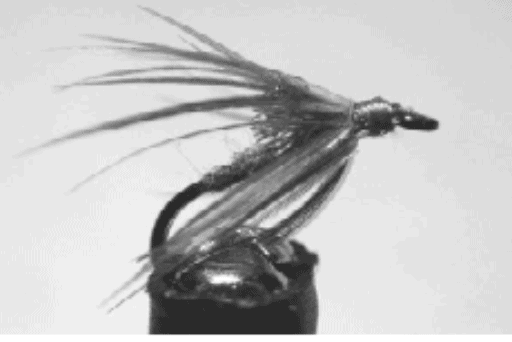
This week’s Throw Back Thursday Fly is the Olive Bloa.

I found the fly pattern in Edmunds and Lee Brook and River Trouting (1916) on page 20. Click on the link for a FREE download. It’s one of my favorite classic books for the history of fly tying and fly fishing the old English flies. I was reading it this morning while preparing today’s post. It struck me I was holding a book that is over 100 years old!
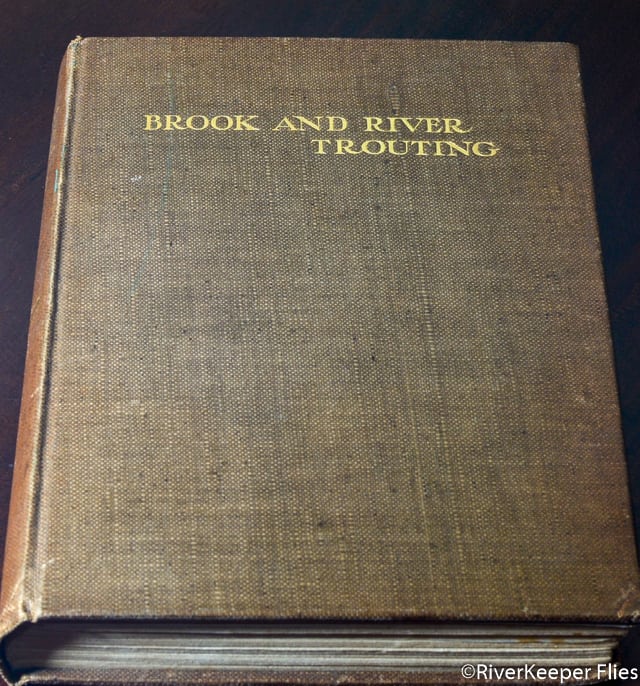
I shared this excerpt from the Preface, which describes the purpose of the book:
“When the writers began to take a practical interest in trout dressing they experienced great difficulty in determining the correct feathers for the various patterns as the older books on the subject of North Country flies are vague in the extreme…
…It was therefore felt that a book, which not only prescribed the exact part of a bird from which the correct feather should be taken, but illustrated such feathers and other materials (as also the flies made therefrom), in color, would be a help, at least to beginners in the craft, and not merely an encumbrance on angling literature.”
What I enjoy most are the pictures of materials used for each of the 36 flies featured. Here are two examples.
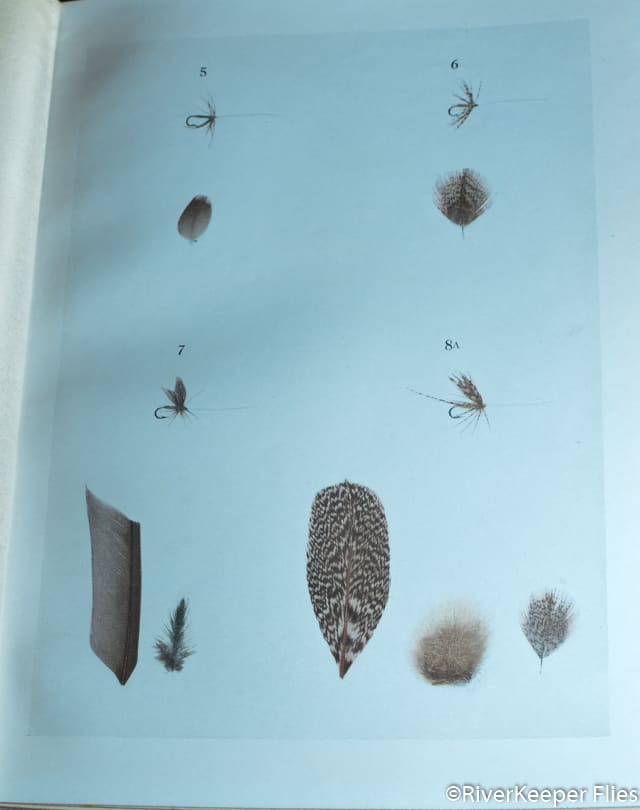
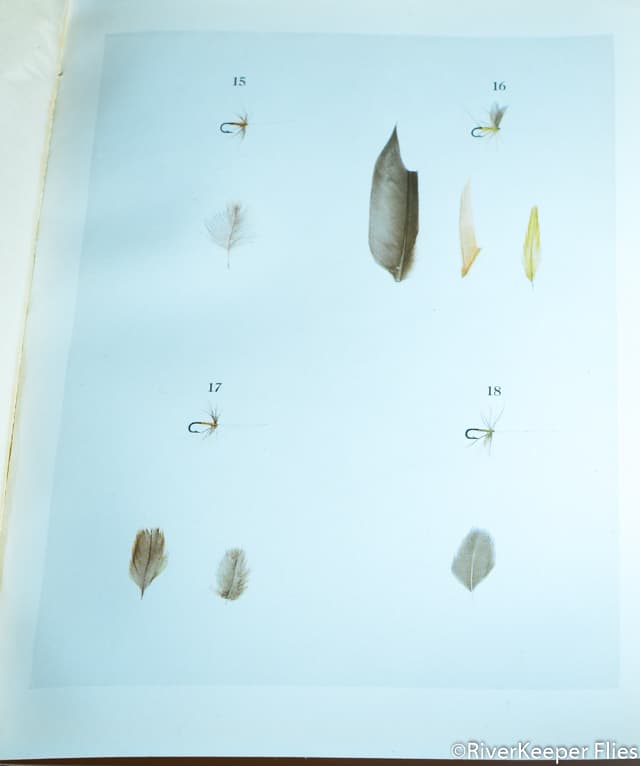
To see more of the book, click HERE to read the post about Brook and River Trouting I wrote back in 2019.
Materials
Hook
1
Wings
Hackled with an olive green feather from a Green Plover’s neck.
Body
Yellow silk, No. 4, well waxed.
Head
Orange brown silk, No. 6b.
Personal tying notes:
- Tied on a size 11 Alec Jackson North-Country Trout Fly hook.
- Substituted olive partridge for the Green Plover.
Notice the hook size in the fly pattern? It states “1”. That’s how they sized hooks in the old days. I’ve included the Redditch scale conversion I found in Robert Smith’s book, North Country Flies, Yorkshire’s Soft Hackle Tradition (2015), one of my other favorite books about old flies.
Redditch or Old Scale
Pennell or New Scale
16
00
15
0
14
1
13
2
12
3
Lastly, for most of the flies I feature in a TBT post, I only tie one. And no, I generally don’t fish them. I tie them to make sure we don’t forget where fly tying and fly fishing came from. As such, I don’t always get the proportions correct on the first try. The fly above is a perfect example. I think the head to a little too big, but I don’t plan on re-tying the fly. I hope you’ll forgive me.
Enjoy…go fish!


Thank you for continuing to bring flies like this to our attention – lest we forget where we came from as you point out. But not only that – they fish as well today as they did 100 or more years ago.