Since the Crooked River Flies, Basic Dry Flies, and Basic Nymph Flies Fly Boxes are so popular, I thought I’d add an East Lake Fly Box to my RiverKeeper Flies Fly Patterns page.
While my first love is river fishing, I do fish lakes. In fact, friends are surprised when they see me at a lake. I guess my reputation precedes me! That happened recently at East Lake.
East Lake is about 41 miles southeast of Bend, Oregon. It’s at an elevation of 6,385 feet and located within the Newberry Caldera with Paulina Lake. Be sure to check out the Atlas of Oregon Lakes in my Resources page for additional information and a detailed map.
East Lake has been a terrific fishery the last few years and I’ve been spending more fishing days up there.

A few years ago, tui chub (what I consider a trash fish) really impacted the quality of the fishery because they were eating all the insects trout should have been eating. Through efforts by ODFW, East Lake Resort and local fly clubs, thousands of tui chub have been removed from the lake. The result? An outstanding fishery!
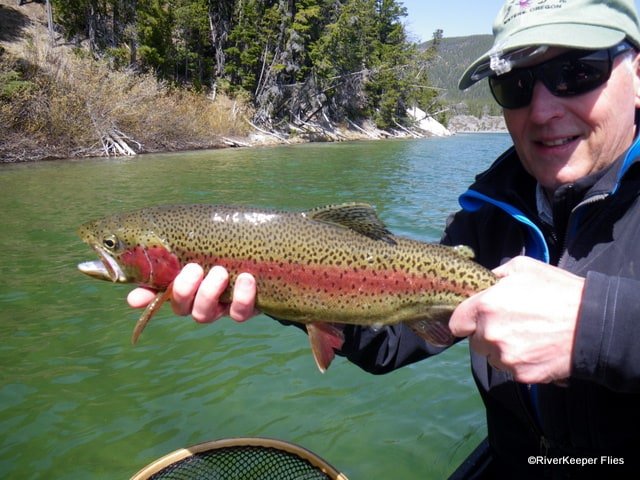
You can use whatever fishing method you’d like, but fly fishing is VERY effective at East Lake.
Rainbow trout, brown trout, Atlantic salmon, and kokanee can be found in the lake. The East Lake Resort website states brown trout over 10 pounds are landed every year and a 22.5 pound brown trout is the lake record (May 1982). I’ve never seen those fish, but they’re out there. And rainbow trout from 14″ to over 20″ are a common sight.
I’m just starting to developan East Lake Fly Box for the website and could use your help. What are the proven patterns you’ve used the last few years?
Here are some of mine:
Callibaetis Mayflies
- Dennys Callibaetis Nymph
- Freds Callibaetis Nymph – Variant
- Flashback Pheasant Tail Nymph
- RiverKeeper Callibaetis Emerger
- Sparkle Dun
- Parachute Adams
- Callibaetis Spinner
- Harrops Callibaetis Paraspinner
Wow…that’s a lot of Callibaetis patterns, isn’t it? But I’ve used them all and they work. At a minimum, just pick one nymph and give it a try. Then use a Sparkle Dun or Adams for the dun. Lastly, spinner patterns can be effective as well so be sure to have one in your fly box. East Lake has a tremendous Callibaetis hatch throughout the summer.
Check out my Callibaetis Mayflies post for more information on these mayflies.
Chironomids
I have to be honest, chironomids aren’t my favorite way to fly fish. I don’t fish them a lot. I think it’s similar to watching paint dry. But it’s very effective. In fact, the last time I fished East Lake this was the most effective way to hook up. There are lots of opinions on the best chironomid pattern, but the best tip I can give you is to fish it at the proper depth. Start with them a foot off the bottom and adjust from there.
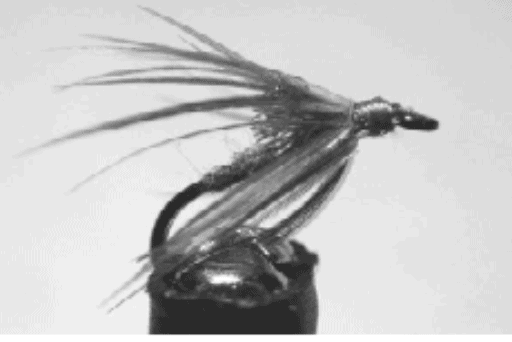
Here is a picture of the chironomid pattern I used on my last trip:

Damsel Flies
I love to fish damsel flies. Especially adult damsels. Fish seem to eat them like candy.
Buggers/Leeches
- Dennys Stillwater Nymph
- Carey Special
- Seal Buggers
- Woolly Buggers
They say anything 1″ long and green will work in any lake…and I believe that! I use the Stillwater Nymph as a searching pattern, usually with the hot orange tail and back. And the Carey Special is a standard fly for many people.
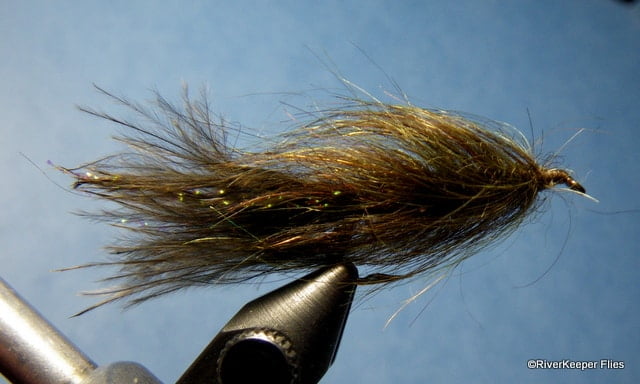
This olive/brown Seal Bugger caught a few fish during the last fishing trip as well.
So there you have it. These are the basic flies I use in lakes. I’ll start tying some flies and fill a box.
Be sure to add a Comment about effective lake flies you use. I might add them to the final list.
Enjoy…go fish!



Hi John – I was on your blog looking for some insight on mini-leeches which apparently are all the rage on the Fall River… and I came upon this post. I know it’s 10 years later but I have to pass along that I fished a #14 Black Gnat almost exclusively the past 3 times I’ve gone to East Lake (after failing with everything else and sitting in a swarm of hatching callabaetis!!). I’ll be happy to send you a picture of the fly – went it went double platinum last year, James tied me a bunch for xmas and I had another trip this year of lights-out dry fly fishing on East Lake.
PS Mini leeches caught me a couple of brood stock trout on Frog Lake by Mt. Hood last week (late-October). Surprise! Along with Pheasant Tail nymphs, which always work great there and on Trillium.
Great list of flies – I have been having success with a Royal Coachman, Ant (foam and Chernobyl) and Red Pheasant Tail. With the wind up I usually fish the edges with an Ant or Sparkle Dun. If after Kokes – PT’s behind a Wooly Bugger. Great lake to experiment with different flies and presentations. Good job John.
Thanks john great resource to be used! Wish I could tie like you?
Thanks Max,
Any more fly patterns I should add to the fly box?
John