Light Spanish Needle

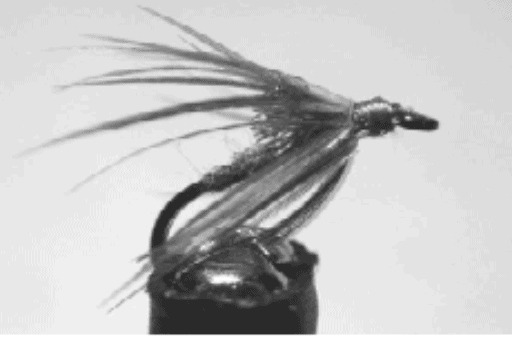
This week’s Throw Back Thursday Fly is the Light Spanish Needle.

Light Spanish Needle | www.johnkreft.com

The Light Spanish Needle is another old fly pattern listed in The North Country Fly – Yorkshire’s Soft Hackle Tradition (2015) by Robert L. Smith. Many of these older soft hackle fly patterns come from the Yorkshire Dales in northern England. Wharfedale is a small area of of the Yorkshire Dales. The Light Spanish Needle fly, a North Country spider pattern, is found on page 21.

Jonathan Pickard (1799 – 1873) provided “A Description of Flies for the Season” of 1820. 47 different flies were listed to fish in the months of March through September.

Smith states in the book that Pickard’s 1820 list is “the earliest complete catalogue of Wharfedale flies.” An earlier list of flies in the Pickard family bible dates back to 1794.

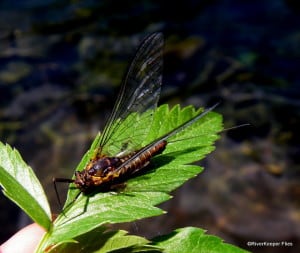
The Light Spanish Needle fly is listed as one to use in the month of April. It is designed to imitate stone and needle flies.

The Light Spanish Needle

Orange silk, peacock harl, feather from the inside of a jack snipe wing.

The North Country Fly by Robert L. Smith, page 21

I tied the fly on an Alec Jackson North Country Trout Fly hook, size 11.

In reading Smith’s book, I noted several North Country spider patterns utilized snipe feathers. The feather I used was from the skin of an English Snipe, a skin borrowed from a friend. I don’t know the difference between the English and Jack snipes.

English Snipe | www.johnkreft.com
English Snipe Skin
English Snipe Top View | www.johnkreft.com
English Snipe Top View
English Snipe - Under Wing | www.johnkreft.com
English Snipe – Under Wing

I notice some similarities to the Golden Plover skin I have.

I purchased The North Country Fly – Yorkshire’s Soft Hackle Tradition (2015) by Robert L. Smith from The Rogue Angler.

Enjoy…go fish.

Similar Posts

  • Damsel Fly Nymphs

    I just returned from the Post Office where I mailed a couple dozen damsel fly nymphs to a new customer. The image above shows several Wood Duck Damsel nymphs. The one below shows the nymph close-up. The project started with a Comment left on my RiverKeeper Flies website. I responded with an email and after…

  • 2019 Cast One for Hope

    Last weekend, my wife and I were at the Flying Horse estate in Hamilton, MT to participate in the 2019 Cast One for Hope, a celebration and major fundraiser for the National Casting for Recovery program. Cast One is limited to 34 anglers fishing out of 17 drift boats. Guides from the Bitterroot Valley volunteered…

  • Lindgren’s Peacock

    This week’s Throw Back Thursday Fly is Lindgren’s Peacock. This fly was developed by Ira Lindgren. The first TBT fly I posted from Ira was the Lingrens Olive. However, I’ve since learned the name was misspelled in the book I used as a reference. I tied this simple fly on a #10 Mustad 3906 hook…

  • Spinners

    We’ve been fishing the river quite a bit lately and have noticed LOTS of spinners on the water. My wife, the Bug Lady, searches back eddies for bugs while waiting for the hatch to happen. Green Drake Spinner What is a spinner you ask? Well, spinners are the final phase of a mayfly’s life, be…

  • Tying Steelhead Flies

    I finished and mailed a steelhead fly order for a customer in the mid-west about a month ago and thought I’d share his order with you. I enjoy tying steelhead flies, but haven’t tied many the last few years because of the low steelhead runs of the Columbia basin. But these 16 flies were a…

  • Ray Bergman Abbey

    This week’s Throw Back Thursday Fly is the Ray Bergman Abbey. The Ray Bergman Abbey is a wet fly listed in his book entitled Trout (1940 – fourth printing) on page 22, Plate No. 1. As I’ve mentioned many times, I enjoy highlighting a Bergman wet fly because it forces me to sit down and…

Leave a Reply

Your email address will not be published. Required fields are marked *